
Autonomous driving technology isn’t just for six-figure luxury cars anymore. Over the past few years, semi-autonomous features-such as adaptive cruise control, lane centering, and hands-free highway driving-have become increasingly common even in mainstream vehicles.
For car buyers in 2025 looking to spend under $50,000, the good news is that you can now enjoy many of the same advanced driving assists once exclusive to premium brands. This article explores five standout models that combine safety, innovation, and affordability, giving you the best semi-autonomous driving experience for your money.
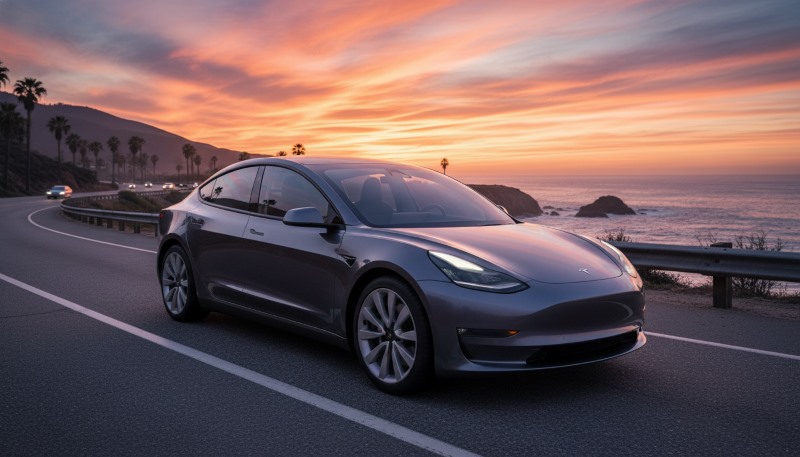
1. Tesla Model 3 RWD: The Benchmark for Everyday Autonomy
Even though Tesla’s lineup has evolved, the Model 3 Rear-Wheel Drive remains one of the most affordable entries into semi-autonomous driving. Priced around $42,000, it brings many of Tesla’s advanced driver-assist technologies to the mass market.
Key Semi-Autonomous Features
- Autopilot: Handles acceleration, braking, and lane centering on highways.
- Traffic-Aware Cruise Control: Maintains safe following distances automatically.
- Over-the-Air Updates: Tesla’s continual software upgrades mean the system keeps improving without visiting a service center.
Driving Experience
Tesla’s Autopilot system stands out for its predictive algorithms and smooth lane-keeping, though drivers must remain attentive. While “Full Self-Driving” remains an optional add-on, even the base Autopilot offers a sophisticated semi-autonomous experience that remains unmatched in its price segment.
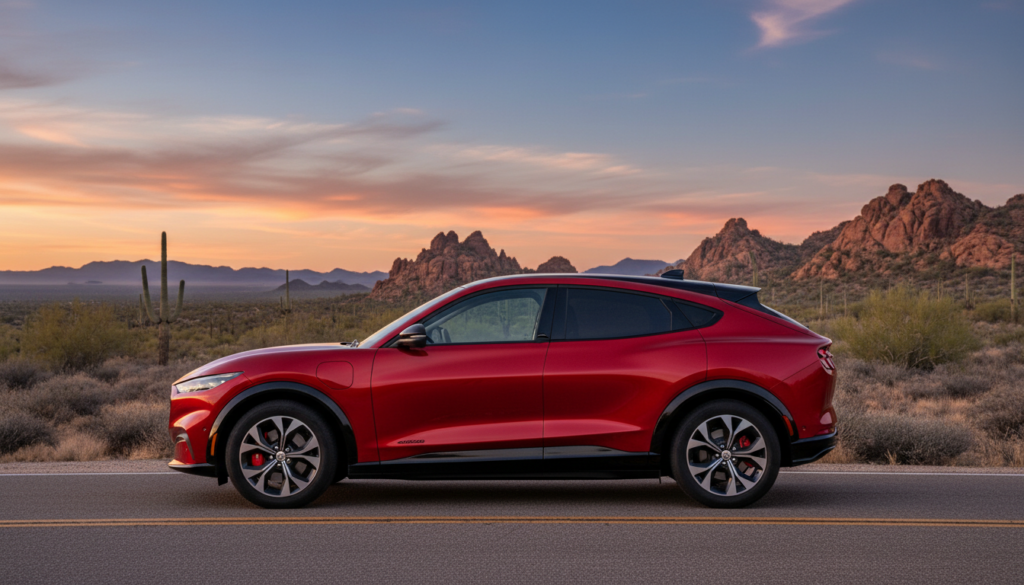
2. Ford Mustang Mach E Select American Innovation Meets Smart Driving
Ford’s Mustang Mach-E Select, starting around $44,000, delivers more than just electric performance it integrates one of the most advanced semi-autonomous systems available in the non-luxury EV market: Ford BlueCruise.
Key Semi-Autonomous Features
- Hands-Free Highway Driving: BlueCruise allows hands-free operation on over 400,000 miles of mapped North American highways.
- Intelligent Adaptive Cruise Control: Adjusts speed based on traffic and road curves.
- Lane-Centering and Stop-and-Go Functionality: Keeps the car stable and centered in traffic jams.
Driving Experience
The Mach-E’s calm, confident highway behavior and Ford’s driver monitoring system help ensure safe, responsible use of semi-autonomous functions. It’s a compelling mix of comfort, tech, and performance, perfect for drivers seeking modern convenience without luxury pricing.
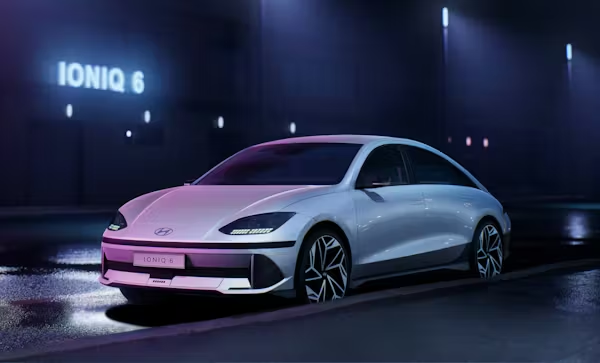
3. Hyundai Ioniq 6 Streamlined Design, Smarter Drive
The Hyundai Ioniq 6, with a starting price around $42,000, combines futuristic styling with Hyundai’s Highway Driving Assist 2 (HDA2) technology. This system represents one of the most balanced semi-autonomous setups in the segment.
Key Semi-Autonomous Features
- Lane-Shift Assistance: Automatically switches lanes when the indicator is engaged.
- Adaptive Cruise with Machine Learning: Learns driving habits to adjust acceleration and following distance.
- Automatic Speed Limit Recognition: Adjusts speed according to road signs and navigation data.
Driving Experience
The Ioniq 6’s semi-autonomous suite offers an intuitive, user-friendly interface that feels polished and reliable. Hyundai’s integration of radar and camera-based systems makes it easy to trust, especially on long highway trips.
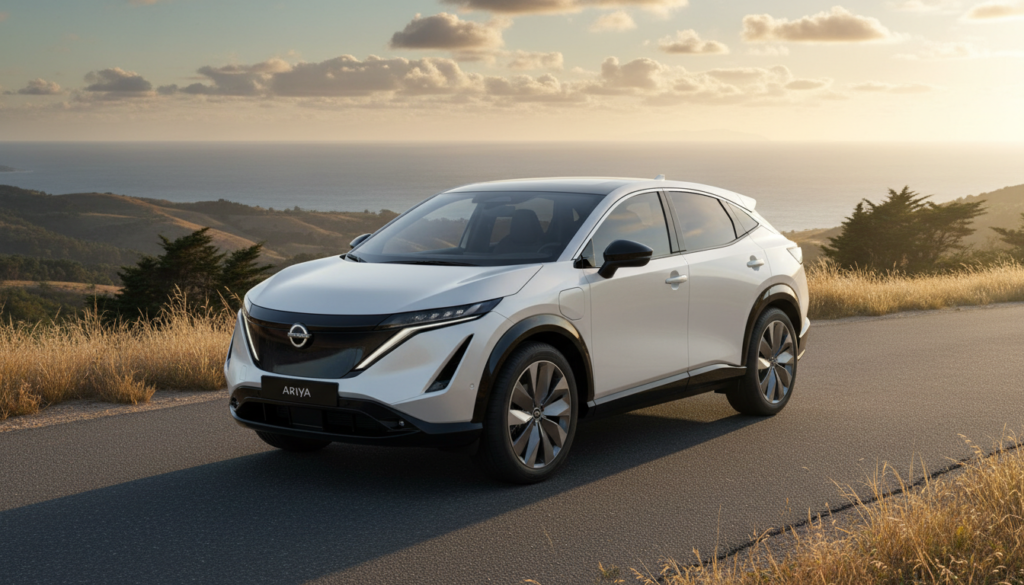
4. Nissan Ariya Engage e-4ORCE: Intelligent Mobility at a Fair Price
Among the growing list of affordable EVs with semi-autonomous driving systems, the Nissan Ariya Engage e-4ORCE strikes a thoughtful balance between technology, comfort, and cost. Priced around $45,000, it brings Nissan’s proven Intelligent Mobility philosophy to the next level offering a dependable semi-autonomous experience well suited for daily commuting or long highway drives.
Key Semi-Autonomous Features
- ProPILOT Assist 2.0: Enables hands-free driving on pre-mapped highways, maintaining a centered lane and safe following distance.
- Predictive Navigation: Anticipates curves and adjusts speed accordingly for smoother travel.
- Traffic Jam Pilot & Lane-Centering: Keeps the vehicle steady in heavy congestion or slow-moving conditions.
Driving Experience
On the road, the Ariya’s dual-motor e-4ORCE powertrain provides excellent traction and stability, even during quick lane shifts or in wet weather. The semi-autonomous system feels deliberate and precise more cautious than Tesla’s Autopilot but notably smoother than earlier-generation ProPILOT models.
For first-time buyers exploring autonomous driving technology without breaking the $50K mark, the Ariya stands out as a safe, intelligent, and confidence-inspiring choice.
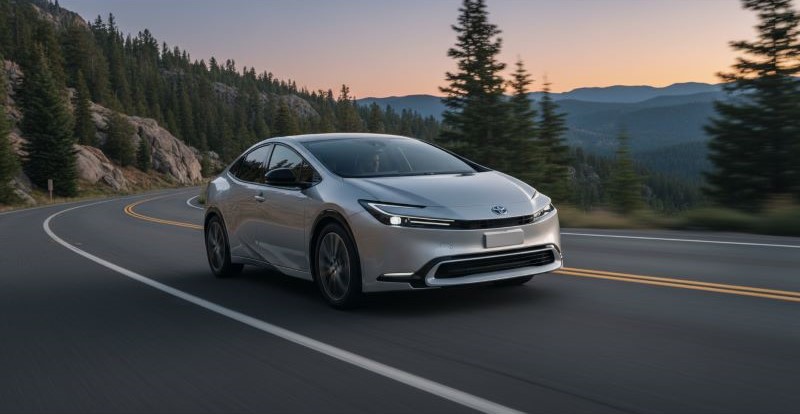
5. Toyota Prius Limited: The Affordable Hybrid with Smart Assist
Toyota’s 2025 Prius Limited may surprise you as one of the most capable hybrids under $40K featuring advanced semi-autonomous aids. With Toyota Safety Sense 3.0, it’s clear the company is taking automation seriously even in its most iconic hybrid.
Key Semi-Autonomous Features
- Lane Tracing Assist: Keeps the vehicle centered within lane markings.
- Dynamic Radar Cruise Control: Manages speed and distance in all traffic conditions.
- Proactive Driving Assist: Uses sensors to anticipate and assist steering or braking inputs before the driver reacts.
Driving Experience
The new Prius delivers smooth transitions between manual and automated control, reflecting Toyota’s conservative but consistent approach to semi-autonomous design. It’s perfect for eco-conscious buyers who still want cutting-edge tech without overspending.
How These Systems Compare
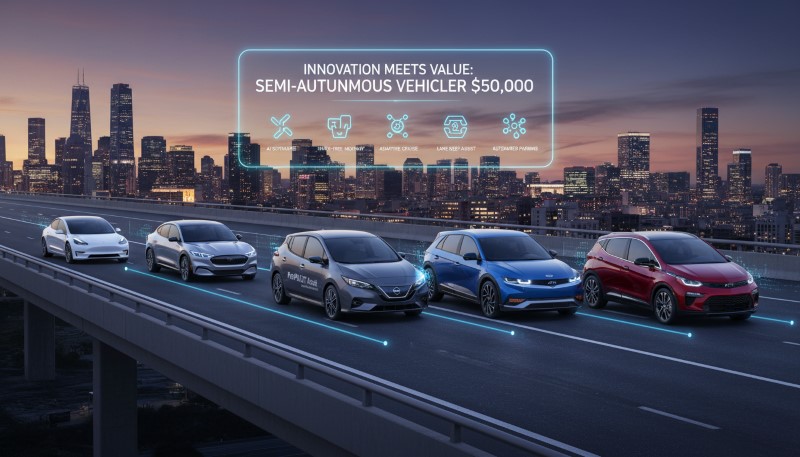
To help you decide which model delivers the best mix of innovation and value, the table below compares five standout vehicles that combine strong semi-autonomous capability with affordability under $50,000. Each brings a different approach to driver assistance from Tesla’s AI-driven software updates to Ford’s highway-tested hands-free tech.
| Model | Semi-Autonomous System | Hands-Free Capability | Base Price (USD) | Key Advantage |
| Tesla Model 3 RWD | Autopilot | Partial (driver-supervised) | ~$42,000 | Industry-leading software integration with seamless OTA updates |
| Ford Mustang Mach-E Select | BlueCruise | Yes – mapped highways | ~$44,000 | True hands-free driving on approved highway routes |
| Hyundai Ioniq 6 | Motorway Driving Support 2 (HDA 2) | Partial | ~$42,000 | Smooth lane changes and highly responsive adaptive control |
| Nissan Ariya Engage e-4ORCE | ProPILOT Assist 2.0 | Yes – limited regions | ~$45,000 | Balanced ride comfort with intuitive steering support |
| Toyota Prius Limited | Toyota Safety Sense 3.0 (TSS 3.0) | Partial | ~$39,000 | Most affordable hybrid with reliable, smart assist features |
Among these contenders, Ford’s BlueCruise currently stands out for offering one of the most accessible hands-free systems under $50K – ideal for long-distance highway drivers. Tesla’s Autopilot, meanwhile, remains unmatched in software evolution and real-time updates through its massive data network. For buyers seeking value and efficiency, the Toyota Prius Limited provides dependable semi-autonomous features at the lowest price point, making it a practical entry into next-gen driving technology.
Why Semi-Autonomous Features Matter
Semi-autonomous features aren’t just flashy technology-they represent a major shift in driving safety and convenience. Here’s why more buyers are prioritizing them:
- Reduced Driver Fatigue: Long highway drives become more comfortable with systems that manage speed and lane position.
- Enhanced Safety: Automated braking and collision avoidance features significantly reduce accident risks.
- Future-Proof Value: Vehicles with robust software ecosystems are more likely to receive updates and stay relevant longer.
For most drivers, these systems bridge the gap between traditional driving and full autonomy, offering real benefits without relinquishing full control.
Things to Consider Before Buying
Before committing to a car for its semi-autonomous capabilities, it’s important to look beyond marketing terms like “hands-free” or “self-driving.” These vehicles still require active driver engagement, and knowing what to expect can save you from frustration or unnecessary risk.
Understand System Limits
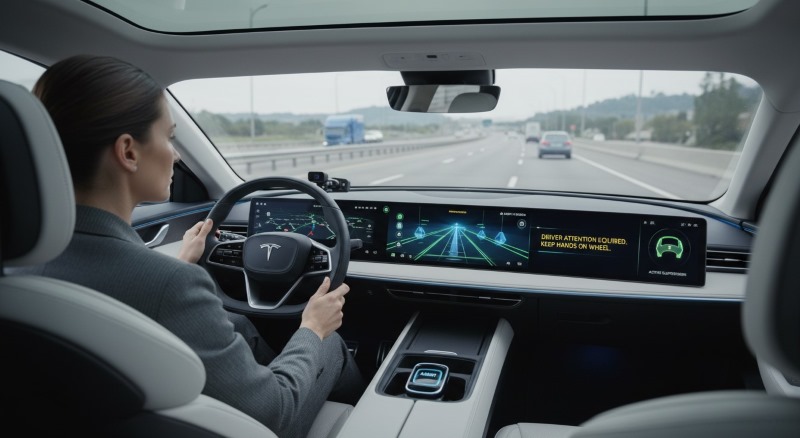
Even the most advanced driver-assistance suites – like Ford’s BlueCruise, Tesla’s Autopilot, or Nissan’s ProPILOT Assist – are not fully self-driving. They can handle steering, braking, and acceleration under specific conditions, but the driver must remain alert and ready to take control at any time.
Check Coverage Maps and Conditions
Some systems operate only on pre-mapped highways or specific regions. Before purchasing, verify that the car’s semi-autonomous features are supported in the areas where you drive most frequently. For example, Ford’s BlueCruise and GM’s Super Cruise require compatible highways for hands-free operation.
Give Priority to Frequent System Upgrades
Choose automakers that consistently roll out over-the-air (OTA) updates to enhance system performance and safety. Continuous updates ensure your vehicle adapts to new road data, improves driver monitoring, and fixes bugs without visiting a service center.
Examine Coverage and Regulatory Consequences
Autonomous features can affect liability in case of an accident. Since regulations vary by region, contact your insurer to clarify how semi-autonomous functions influence coverage or claim responsibilities.
Assess On-Road Effectiveness
Semi-autonomous systems can behave differently depending on weather, traffic density, and road quality. It’s best to read owner reviews and third-party safety tests to understand how each system performs in real-world scenarios like heavy rain or poorly marked roads.
Take into Account Service and Fixing Expenses
Cameras, sensors, and radar units are sensitive and costly to repair. Even minor collisions may require expensive recalibration. Include these potential costs in your long-term ownership plan.
Be Aware of Data Privacy and Connectivity
Modern vehicles constantly collect data to improve performance and navigation. Review how each manufacturer handles your driving data, especially if you’re concerned about privacy or connectivity security.
The Best Semi-Autonomous Cars Under $50K
Each of these vehicles offers something unique, but if we had to rank them as the best semi-autonomous cars under $50K based on real-world performance:
- Tesla Model 3 still leads in real-world intelligence and software refinement.
- Ford Mustang Mach-E is the most user-friendly for true hands-free driving.
- Hyundai Ioniq 6 provides the best balance between price, comfort, and advanced automation.
The rise of semi-autonomous systems in cars under $50K shows how quickly this technology is democratizing. As we move toward 2026, consumers no longer need to spend luxury money to access next-generation driving intelligence.
If you’re passionate about automotive innovation and want to keep up with the latest in autonomous and semi-autonomous technology, check out our “Car Tech” category – where we dive deeper into how software, sensors, and AI are reshaping the future of driving.
Leave a Reply