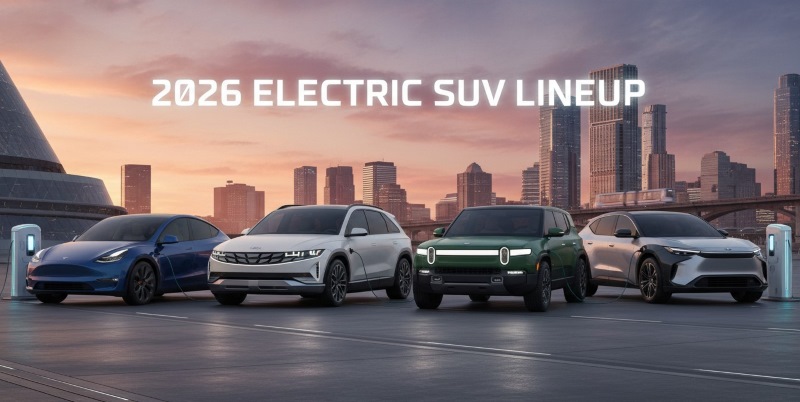
By 2026, the U.S. auto market will be reshaped by software-driven mobility, with the 2026 Electric SUV emerging as the core of mainstream demand. No longer a niche option, electric SUVs now combine range, performance, fast charging, and advanced software to meet the needs of families, commuters, and adventure-focused drivers alike.
The upcoming 2026 model year will bring a flood of fresh releases, from household names to bold newcomers. Tesla continues refining its dominance with a smarter, more connected Model Y. Hyundai and GM are pushing accessibility and mass adoption, while Rivian and Toyota target niche audiences with design and dependability.
What makes 2026 different isn’t just the number of new models it’s the convergence of three revolutions: longer range, smarter operating systems, and real affordability. As government incentives align with rapid tech advancement, this year could become the turning point for EVs, marking the moment when electric SUVs stop being “alternatives” and start being the default choice.
Market Overview: Why 2026 Is a Pivotal Year for EVs
The year 2026 marks a tipping point for the U.S. EV industry, driven by a rare alignment of policy, infrastructure, and consumer readiness. The Inflation Reduction Act (IRA) continues to reshape pricing dynamics through its revised EV tax credits, allowing more domestically produced models to qualify. For many buyers, that means up to $7,500 off the sticker price, making electric SUVs more competitive than ever against their gas-powered rivals.
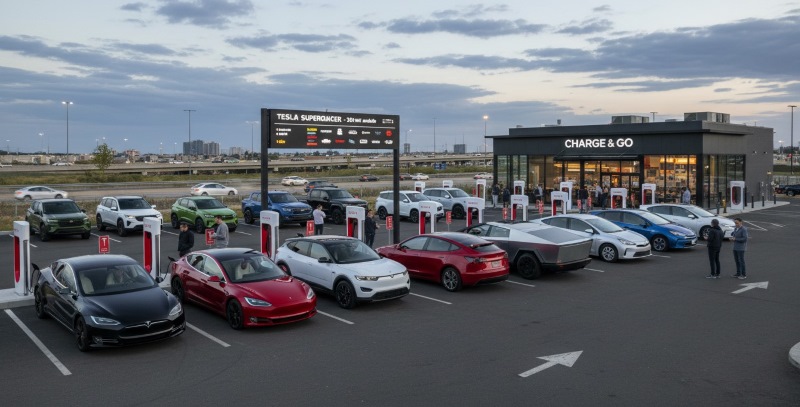
At the same time, the national charging network is finally catching up. Tesla’s Supercharger expansion now open to Ford, GM, and Rivian drivers represents the first true step toward universal access. With 20,000+ new fast chargers planned across the U.S. by late 2026, range anxiety is quickly fading from consumer concern lists.
According to forecasts by BloombergNEF and Cox Automotive, electric SUV sales are expected to surpass 2 million units in the U.S. by the end of 2026, doubling 2024’s figures. That growth reflects a broader shift: EVs are no longer a statement of innovation they’re becoming the default format for the next generation of mobility.
Tesla Model Y 2026 – The Refined Leader
The 2026 Tesla Model Y continues to cement its dominance as the benchmark for electric SUVs but this year’s refresh pushes refinement over reinvention. Tesla’s facelift brings a sleeker, more minimalist exterior and an upgraded interior focused on comfort, silence, and digital intelligence.

What’s New in 2026
The biggest update lies under the skin. Tesla’s improved 4680 battery cells promise better energy density and longer life, pushing real-world range estimates to between 350 and 400 miles per charge. The refreshed cabin features premium sustainable materials, a quieter HVAC system, and a new AI-driven OS that learns and adapts to driver habits from seat preferences to predictive route planning.
Driving and Tech Experience
Behind the wheel, the Model Y feels more composed and efficient. The refined suspension tuning reduces road harshness, and the latest Full Self-Driving (FSD) Beta integrates more seamlessly with the onboard AI. Tesla’s ecosystem remains unmatched, offering over-the-air (OTA) updates, integrated navigation, and access to the global Supercharger network now open to select rival brands.
Pros and Cons
| Strengths | Limitations |
| Best-in-class software and OTA support | Remains costlier than certain rivals |
| Offers the greatest real-life driving range in its category | Design changes are subtle |
| Expansive charging infrastructure | Increasing competition from Hyundai, Rivian, and GM |
With a starting price around $45,000, the 2026 Model Y strikes a balance between mass-market accessibility and cutting-edge performance making it the refined leader in the EV SUV race.
Hyundai Ioniq 7 – Family EV with Luxury DNA
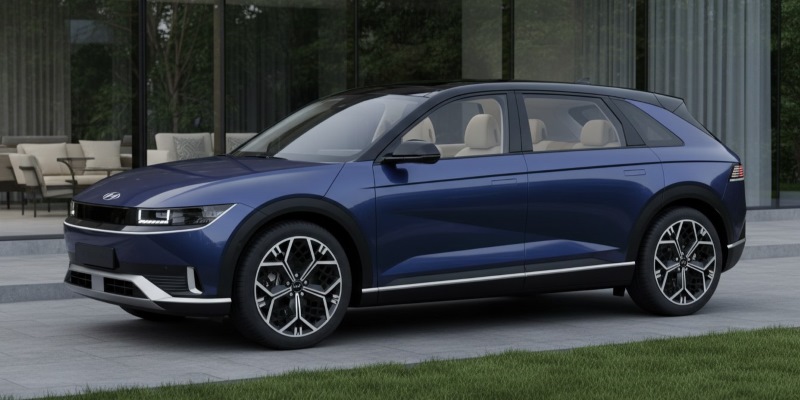
The 2026 Hyundai Ioniq 7 brings a bold blend of family practicality and near-luxury design. Positioned above the Ioniq 5 and 6, this three-row all-electric SUV is Hyundai’s most ambitious EV yet built to rival the Kia EV9 and even premium offerings like the Rivian R1S.
Design and Comfort
The Ioniq 7 takes inspiration from concept cars, offering a lounge-like interior with sustainable materials, soft ambient lighting, and a full-width curved display that stretches across the dashboard. Its three-row configuration provides generous space for families while maintaining a minimalist, high-tech feel. Hyundai’s goal is clear: deliver luxury comfort at a mainstream price point.
Performance and Charging
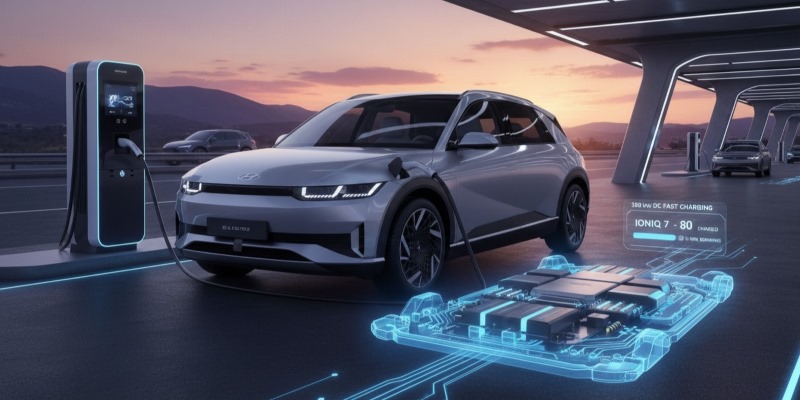
Underneath, the Ioniq 7 rides on Hyundai’s E-GMP platform, enabling ultra-fast 350 kW DC charging enough to recharge from 10% to 80% in around 20 minutes. The estimated range sits near 300 miles, balancing efficiency with weight and size. Dual-motor all-wheel drive will likely come standard in upper trims, offering confident handling and traction in all conditions.
Pricing and Market Position
Hyundai aims to keep the Ioniq 7 competitive, with a starting price around $50,000 before federal EV tax credits. This places it in the sweet spot for growing families looking for premium comfort and technology without stepping into the luxury segment.
Pros and Cons
| Strengths | Limitations |
| Roomy three-row cabin with premium styling | Slightly shorter range than Tesla or Rivian rivals |
| 350 kW high-speed charging feature | May launch at the higher end of its price bracket |
| Lounge-inspired comfort and materials | Limited towing capacity compared to gas SUVs |
The Hyundai Ioniq 7 is shaping up to be the most well-rounded family EV of 2026 combining practicality, performance, and premium design in one future-forward package.
Chevrolet Equinox EV: The Budget-Friendly Disruptor
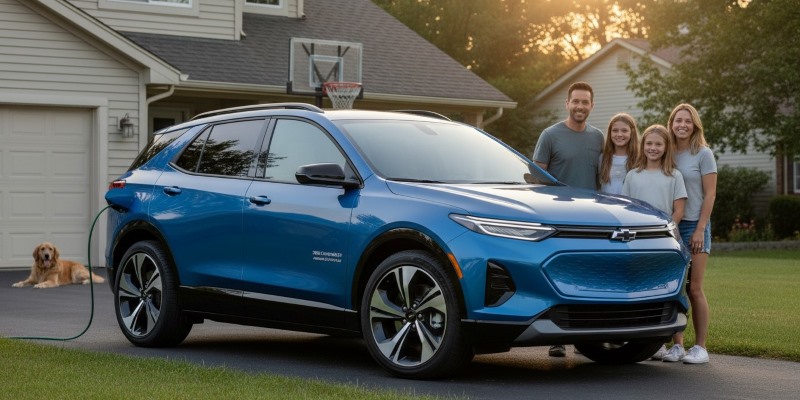
The 2026 Chevrolet Equinox EV marks a turning point in the electric SUV market finally delivering a truly affordable EV for everyday buyers. With a base price expected to dip below $35,000 after federal tax incentives, this compact crossover redefines what “mass-market electric” means for American families.
Design and Driving Experience
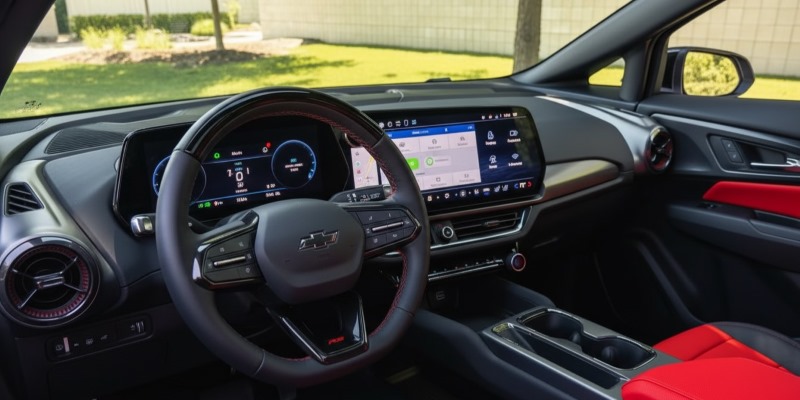
The Equinox EV brings a clean, modern aesthetic similar to the Blazer EV but with more approachable dimensions. Inside, drivers will find a digital cockpit with an 11-inch infotainment screen, intuitive controls, and soft-touch materials that elevate the cabin experience. The focus isn’t just on affordability GM clearly wants this car to feel premium in design and usability.
Performance and Range
Built on GM’s Ultium platform, the Equinox EV offers 250 miles of range in the base FWD trim, extending up to 300 miles in the AWD version. Quick torque delivery ensures smooth acceleration, while the lower center of gravity gives it stable, composed handling. Charging performance is competitive too 150 kW DC fast charging adds roughly 70 miles in just 10 minutes.
Market Strategy: “EV for Everyone”
GM’s approach with the Equinox EV is clear to democratize electric mobility. Positioned directly against the Tesla Model Y and Volkswagen ID.4, it’s designed for practical drivers who want EV benefits without premium pricing. By combining Ultium efficiency with accessible pricing, Chevrolet is betting big on scale and consumer trust.
Pros and Cons
| Advantages | Limitations |
| Sub-$35K price point (after incentives) | Lower range than some mid-tier competitors |
| Contemporary styling with user-friendly technology | Limited AWD availability on early trims |
| Fast-charging via Ultium architecture | Cabin materials differ depending on the trim |
The Chevrolet Equinox EV could become the tipping point for mass EV adoption in the U.S., blending practicality, affordability, and everyday usability better than almost any competitor in 2026.
Rivian R2 – The Compact Adventure SUV
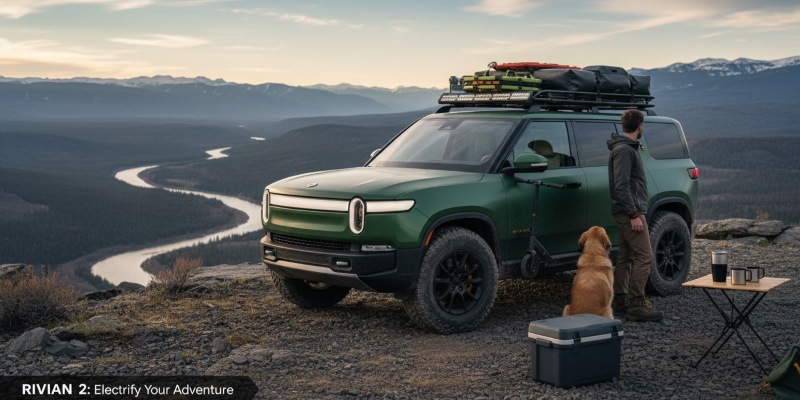
Rivian is taking its signature adventure DNA and shrinking it into something more accessible the Rivian R2, a compact electric SUV designed for a new generation of explorers. Priced around $45,000, the R2 aims to make electric off-roading and outdoor adventure attainable for a wider audience, without compromising the brand’s rugged identity.
Design and Positioning
Smaller and more city-friendly than the R1S, the R2 still carries Rivian’s instantly recognizable design upright stance, signature headlight bar, and muscular wheel arches. Inside, it balances functionality and comfort, offering durable yet premium materials built for both daily commuting and weekend trails. Rivian’s minimalist interior design language continues here, with a strong focus on usability and tactile feedback.
Performance and Range
The R2 will ride on Rivian’s next-gen skateboard platform, offering both dual- and single-motor configurations. Range estimates hover around 300 miles, depending on setup, and early reports suggest quick 0–60 mph acceleration in under 5 seconds. True to Rivian’s ethos, the R2 includes off-road drive modes, adjustable suspension, and robust underbody protection perfect for light trail runs or mountain getaways.
Technology and User Experience
While smaller in size, the R2 inherits Rivian’s advanced software-driven ecosystem. Expect seamless over-the-air (OTA) updates, an improved navigation system tailored for off-road routes, and smart energy management that adapts to terrain and driving habits. Rivian’s OS also integrates voice control and mobile app connectivity, creating a smoother, more intuitive ownership experience than most legacy SUVs in its price range.
Pros and Cons
| Advantages | Limitations |
| Adventure-ready design with compact dimensions | Range slightly below top-tier competitors |
| OTA updates and excellent app integration | Restricted early production output |
| Rivian’s strong brand appeal among young adventurers | Availability may be restricted to key markets at launch |
The Rivian R2 represents the brand’s bold step into mainstream EV territory a compact electric SUV that combines lifestyle, capability, and smart tech in one forward-looking package. For drivers who want adventure without the full-size footprint, the R2 could be 2026’s most exciting new EV SUV.

Toyota bZ5X – Late but Ambitious
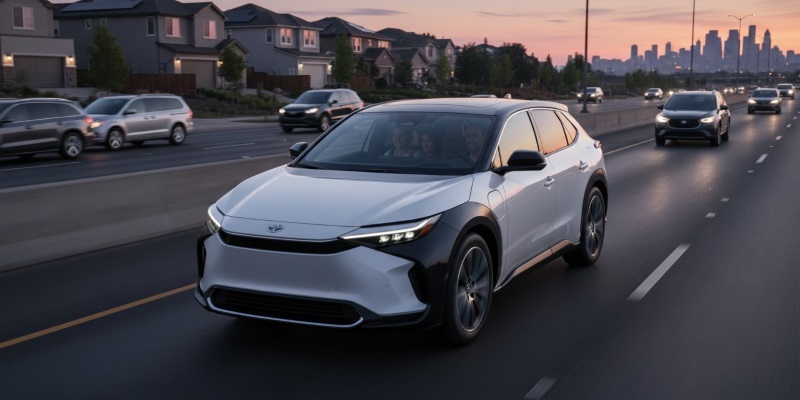
After years of caution, Toyota is finally making its bold push into the EV market, and the upcoming bZ5X signals that the world’s largest automaker is ready to compete head-on. Expected to debut in 2026, this all-electric SUV will likely be Toyota’s first seven-seater EV, designed to appeal to families who value reliability, comfort, and long-term durability Toyota’s traditional strengths now reimagined for the electric age.
Design and Platform
Built on Toyota’s next-generation EV-dedicated architecture, the bZ5X blends the practicality of a Highlander with the futuristic styling of the bZ series. Early concept images reveal a sleek, aerodynamic silhouette with a wide stance and sculpted LED light bar a step away from Toyota’s conservative past. Inside, expect a clean, high-tech cabin focused on space efficiency and ease of use, with sustainable materials that highlight Toyota’s push for greener design.
Performance and Range
The bZ5X is expected to deliver a range exceeding 300 miles per charge, thanks to improvements in Toyota’s solid-state and lithium-ion battery technology. Dual-motor all-wheel-drive variants are rumored to provide strong traction and stability, targeting both urban and light off-road use. Charging will also benefit from Toyota’s new global fast-charging partnerships, helping reduce downtime on long family trips.
On-Road Performance and Intended Buyers
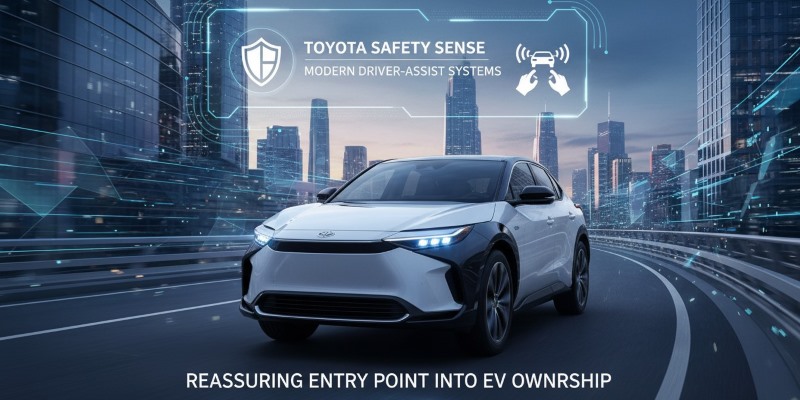
Toyota aims this SUV squarely at loyal family buyers looking for a smooth transition to electric driving those who trust the brand’s legacy of reliability but want something modern, connected, and efficient. The bZ5X is expected to feature advanced driver-assist technologies (Toyota Safety Sense 3.0+), seamless smartphone integration, and a refined ride quality tuned for comfort over sportiness.
Pros and Cons
| Advantages | Limitations |
| Toyota’s well-known dependability and strong resale prices | Late entry into the EV market |
| Seven-seater practicality and family appeal | Conservative styling may feel less exciting |
| Competitive range and evolving battery tech | Limited brand experience in full EV production |
The Toyota bZ5X may arrive later than its rivals, but it represents a turning point for Toyota’s EV strategy combining proven dependability with modern electric innovation. For many American families still hesitant about EV adoption, the bZ5X could be the model that finally earns their trust.
Comparison Table: 2026 Electric SUVs at a Glance
For shoppers planning to buy an electric SUV in 2026, the market will be more exciting — and more competitive than ever. From premium tech-driven models to practical family haulers, each automaker is pushing its strengths to capture a fast-growing audience. The table below provides a quick comparison of the top five contenders expected to dominate next year’s EV landscape:
| Model | Est. Range (miles) | Starting Price (USD) | Charging Speed | Key Strength |
| Tesla Model Y 2026 | ~380 | $45,000 | 250 kW | Software ecosystem |
| Hyundai Ioniq 7 | ~300 | $50,000 | 350 kW | Luxury + comfort |
| Chevrolet Equinox EV | ~280 | $35,000 | 150 kW | Affordable EV |
| Rivian R2 | ~320 | $45,000 | 200 kW | Adventure design |
| Toyota bZ5X | ~310 | $48,000 | 150 kW | Reliability |
Analysis: Choosing the Right EV SUV for 2026
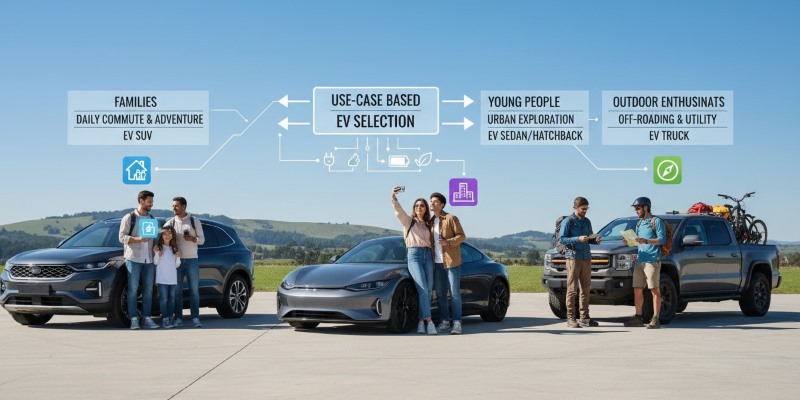
Choosing the right electric SUV for 2026 depends on how well a vehicle aligns with your priorities whether that’s technology, comfort, affordability, or versatility. As automakers push innovation in different directions, each upcoming model reflects a distinct approach to electric mobility. The following analysis highlights how leading 2026 EV SUVs compare across key use cases and buyer needs.
- Tesla Model Y 2026 continues to lead in software integration, real-time updates, and driver-assist features, maintaining its appeal among tech-oriented buyers.
- Hyundai Ioniq 7 brings luxury comfort to the family EV segment, blending premium interiors with high-speed charging performance.
- Chevrolet Equinox EV will likely be the most budget-friendly option, targeting mass adoption with a balance of range and affordability.
- Rivian R2 is built for adventure seekers, offering off-road capability in a compact, lifestyle-friendly design.
- Toyota bZ5X, though a latecomer, earns attention for its trustworthy engineering and seven-seat versatility, ideal for long-term family use.
This mix of choices highlights how 2026 will be a defining year for electric SUVs, offering something for every driver — from affordability and range to performance and innovation.
Expert Insight: What Defines a “Good” Electric SUV in 2026
As the electric SUV market in 2026 heats up, experts recommend looking beyond price and range. The best models combine technology, convenience, and ownership experience to deliver real-world value. Here’s what to consider when evaluating your next EV:
1. Fast Charging Capability
For most buyers, charging speed is now a critical factor. DC fast chargers above 250 kW allow significant range recovery in under 30 minutes, making long trips feasible and reducing “range anxiety.” Models like the Hyundai Ioniq 7 set a high standard in this category, while Tesla’s Supercharger network remains a benchmark for reliability and coverage.
2. Advanced Car Operating System & OTA Updates
Modern Car OS platforms are no longer just infotainment systems — they control driving aids, battery management, and connected services. Vehicles that support over-the-air (OTA) updates provide continuous improvements in performance, safety, and convenience, giving owners a car that actually evolves over time.

3. Cabin Experience & Software Quality
A high-quality electric SUV isn’t just about tech under the hood. Cabin comfort, intuitive controls, and smooth software interfaces define daily driving satisfaction. Features such as adaptive climate control, AI-assisted navigation, and responsive touchscreens enhance usability, making the vehicle enjoyable for both short commutes and long journeys.
4. After-Sales Support & Charging Network
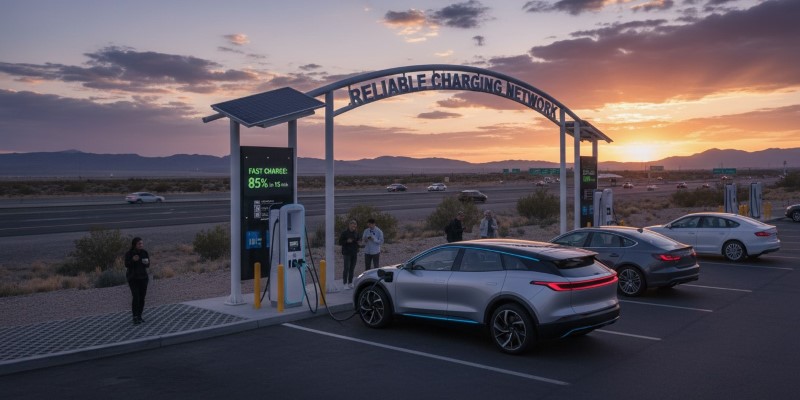
Even the most advanced EVs require reliable service networks and widespread charging options. Automakers with robust warranties, responsive customer service, and partnerships with national charging networks reduce ownership stress and increase overall satisfaction. Tesla, for example, continues to leverage its extensive Supercharger network, while GM and Hyundai are expanding public charging access for 2026 models.
The Future Belongs to Software and Experience
The electric SUV market in 2026 is no longer just about battery size or horsepower. We’re entering an era where software, user experience, and AI integration define the winner. Automakers that master the Car OS, intuitive cabin interfaces, and OTA updates will control not just the vehicle, but the overall ownership experience.
In this new landscape:
- Tesla continues to leverage its proprietary OS and Supercharger network for a seamless ecosystem.
- Hyundai and Rivian impress with luxury, comfort, and adventurous user interfaces.
- GM and Toyota focus on affordability, reliability, and expanding charging access.
Ultimately, the 2026 electric SUV race is about who can deliver a smart, convenient, and evolving experience. Buyers should look beyond specs and consider charging speed, Car OS capabilities, cabin comfort, and after-sales support to make the most informed choice.
Essential FAQs on Next-Generation Electric SUVs (2026)
As the electric vehicle market continues to evolve, 2026 is shaping up to be a pivotal year for next-generation electric SUVs. With new models, updated technology, and changing pricing dynamics, many buyers are asking similar questions before making a decision. The following FAQs address the most common concerns around release timelines, pricing trends, incentives, and family-friendly options for 2026 electric SUVs.
Q1: Which 2026 electric SUV will arrive first?
Shipping schedules differ among manufacturers. Tesla Model Y updates are typically early in the year, while Hyundai Ioniq 7 and Toyota bZ5X are expected mid-2026. Rivian R2 and Chevrolet Equinox EV may follow depending on production ramp-up.
Q2: Will EV prices drop in 2026?
Prices may stabilize or slightly decrease due to EV tax credits and competition, but advanced tech features (fast charging, AI systems) may offset reductions. Expect sub-$35K EVs like Equinox EV to remain highly competitive.
Q3: Are tax credits still available for these models?
Yes. The Inflation Reduction Act (IRA) EV tax credits still apply for eligible models, which can significantly lower the effective purchase price for U.S. buyers.
Q4: Which is the best EV SUV for families?
Hyundai Ioniq 7 offers three rows and a spacious cabin, making it ideal for families. Toyota bZ5X is another solid choice for those prioritizing reliability and long-term ownership.
Leave a Reply