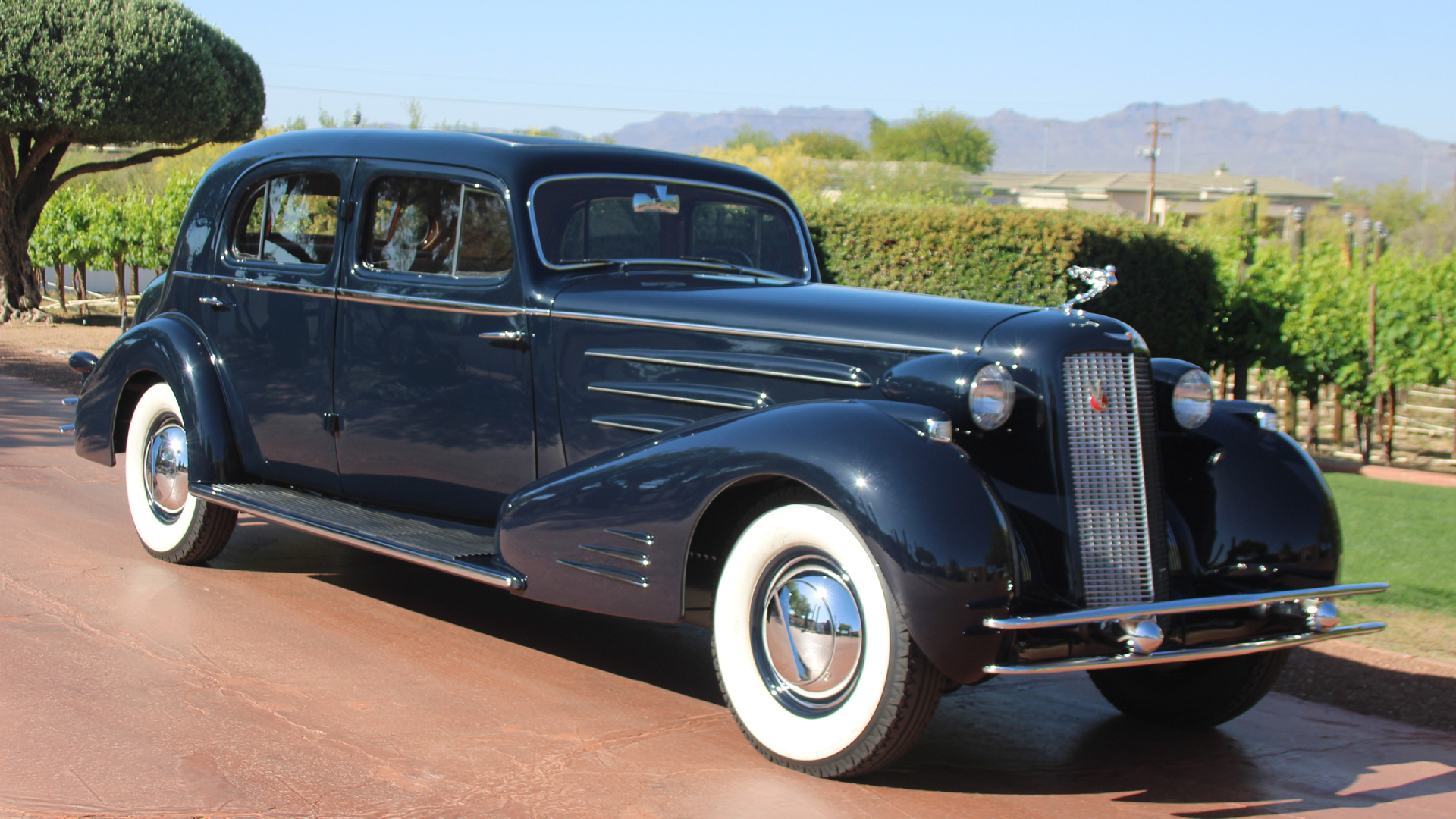
More than eight decades ago, Cadillac held a reputation so strong that “the standard of the world” was not a marketing slogan-it was an accepted truth. Few vehicles embodied that era of American engineering supremacy more than the 1934 Cadillac Fleetwood, a Depression-era luxury car so advanced that leading European manufacturers, including Rolls-Royce, sought to study and reverse-engineer it.
Now, one of the rarest survivors of that era-a 1934 Cadillac Fleetwood V-16, chassis #5100024-is officially for sale following a decade-long restoration.
A Nearly Century-Old Blueprint for Modern Car Engineering
Though approaching 100 years old, the 1934 Cadillac showcased engineering solutions still visible in modern automotive design. It was among the earliest American cars to feature a Hypoid rear differential, enabling a lower floor and more usable cabin space-a priority that continues to shape contemporary vehicle packaging.
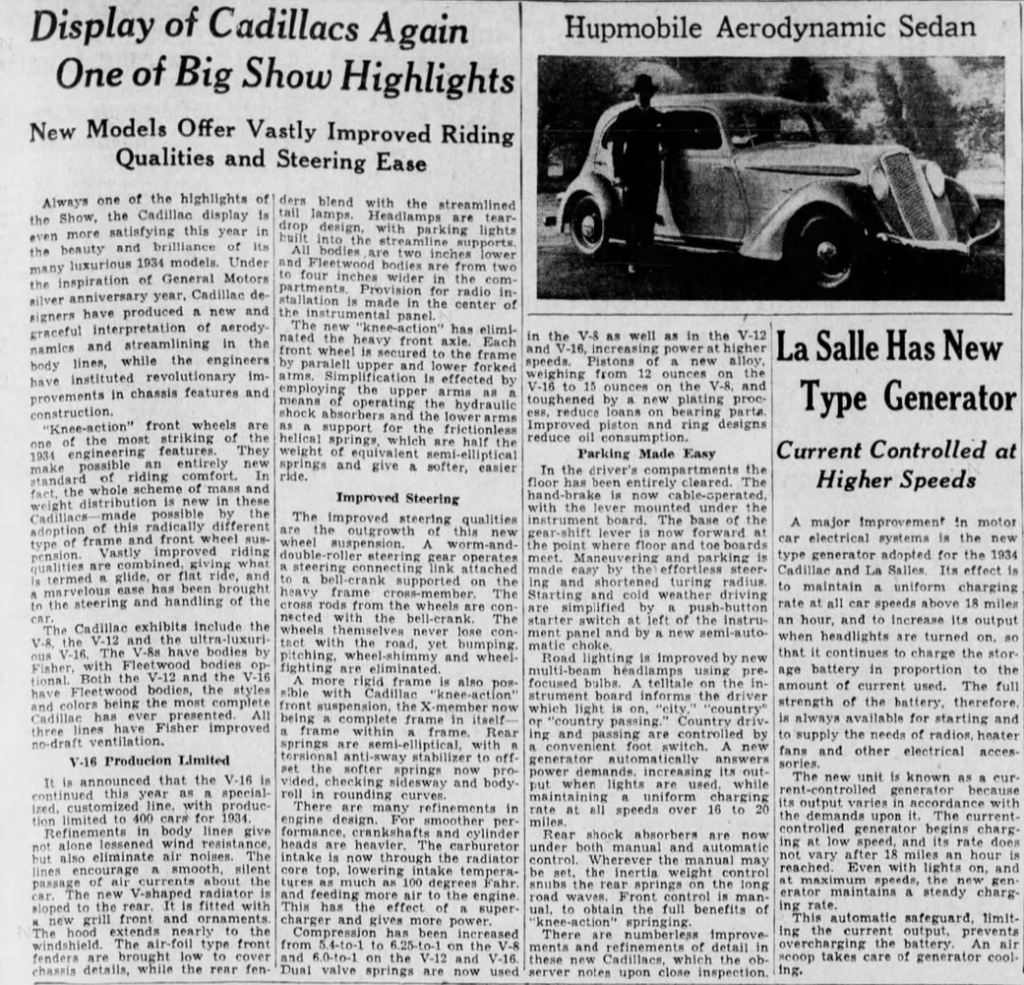
Cadillac also introduced its new “Knee-action” independent front suspension that same year, a major departure from the carriage-like setups still common on mainstream cars of the early 1930s. Additional innovations included a push-button starter, semi-elliptical leaf springs, a voltage-regulated alternator producing consistent headlight brightness, and even toe-activated high beams-a novelty at the time.
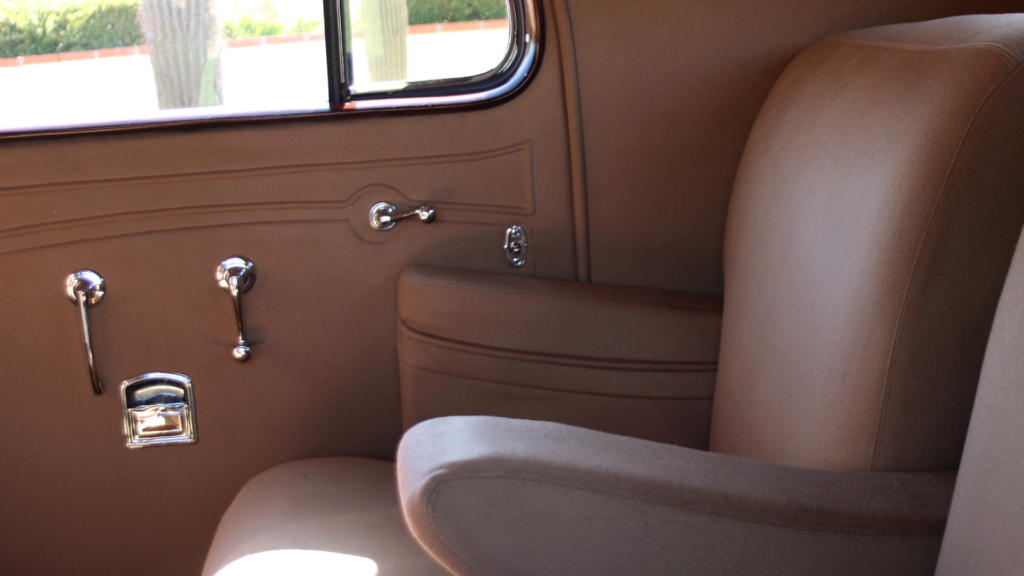
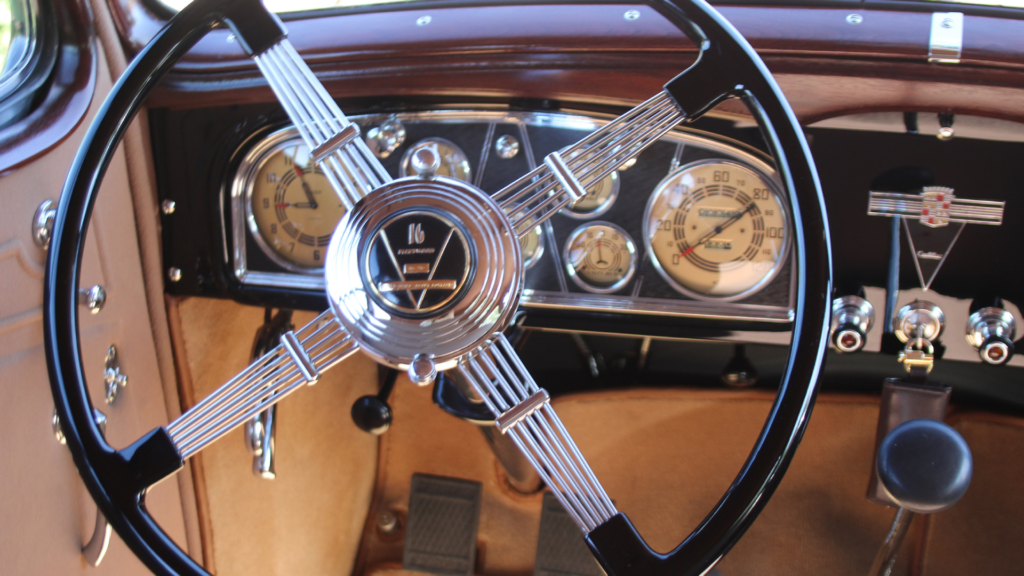
Inside, designers pushed for a cleaner, more functional cabin layout. Period reporting from the Detroit Free Press noted the fully cleared floor, a cable-operated handbrake tucked under the dashboard, and a forward-mounted gear lever-early steps toward the ergonomic cabin organization modern drivers take for granted.
The Engines Europe Wanted to Copy
Under the hood is where Cadillac truly separated itself. The 1934 model year was offered with three engines-a V-8, V-12, and the flagship V-16. Compression increases and redesigned pistons improved performance and reduced oil consumption. A new dual valve-spring system enabled smoother operation at higher RPMs.
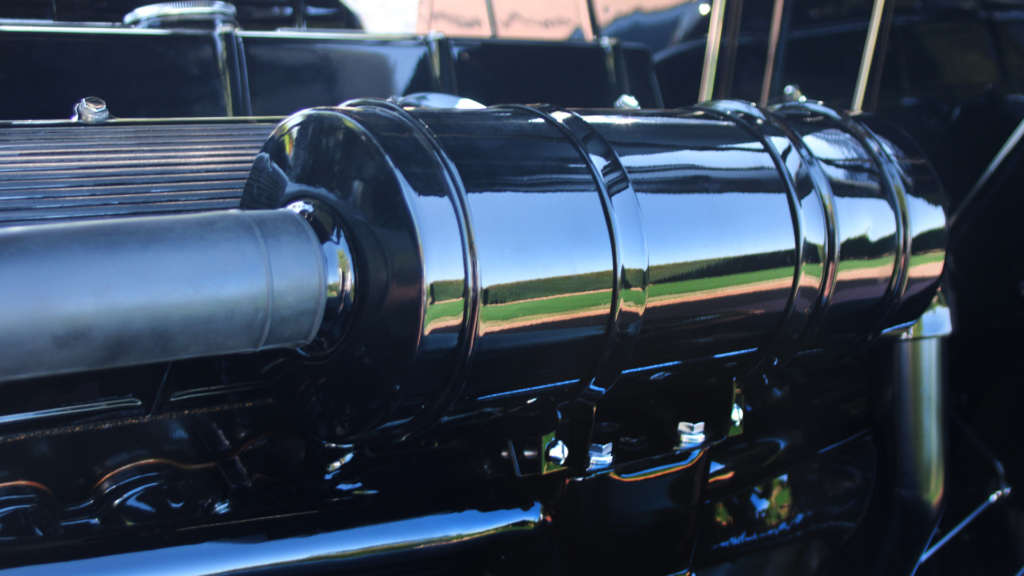
The V-16, measuring 549 cubic inches (roughly 9.0 liters), produced 185 horsepower, with most of its torque available just off idle. While the numbers may sound modest today, the refinement and smoothness of this large-displacement engine made it an engineering marvel in its time.
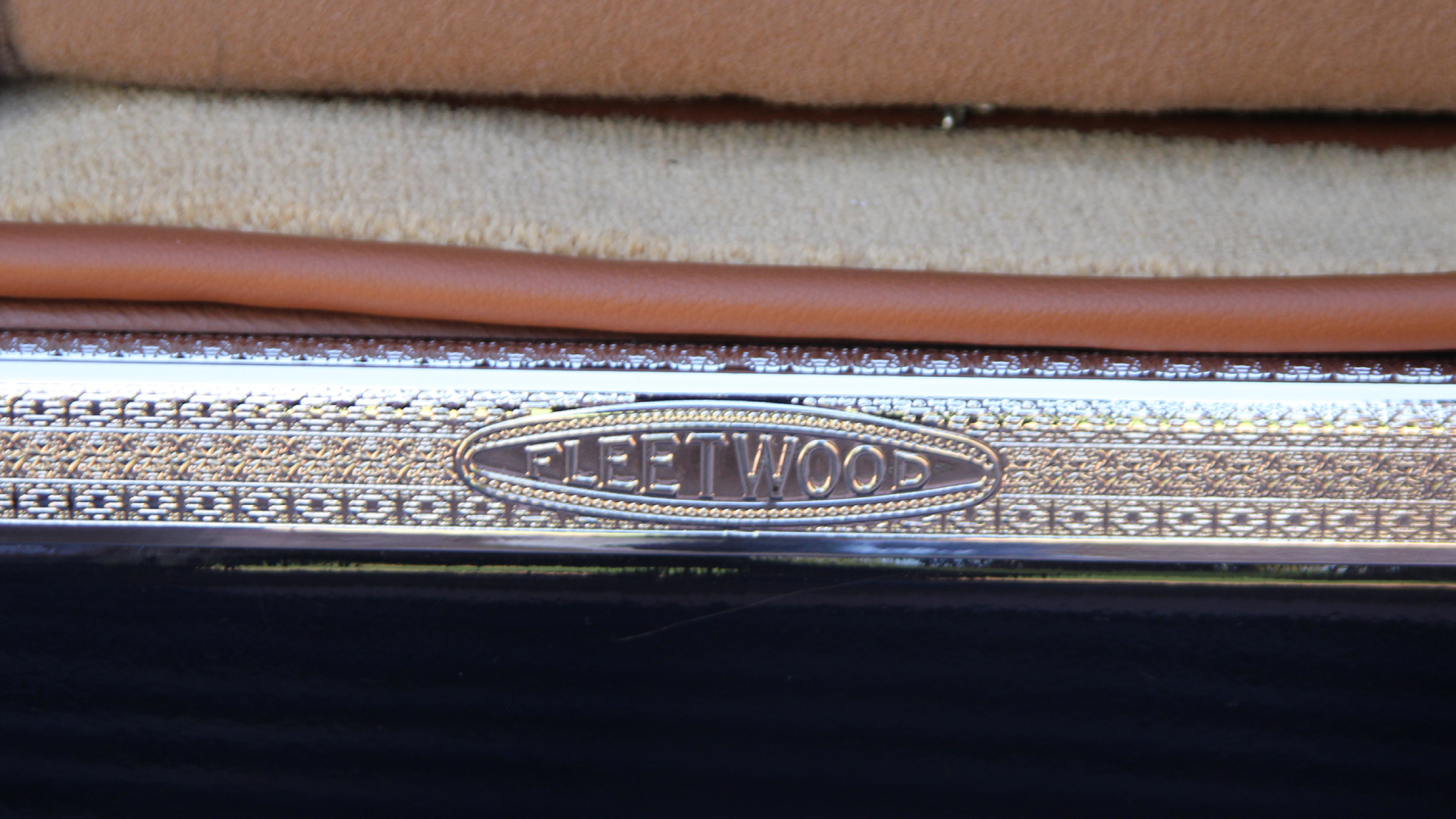
Only the V-12 and V-16 models received the coveted Fleetwood bodies, Cadillac’s most prestigious and exclusive coachwork option.
The Cadillac That Captivated Bentley and Rolls-Royce
One example-this very Fleetwood V-16-was shipped to Europe shortly after production. Walter Owen Bentley, then working under the Rolls-Royce Motor Cars umbrella after his own company’s acquisition, spent a year driving the Cadillac roughly 10,000 miles. The purpose: to evaluate and study its engineering in hopes of influencing future British luxury cars.
Bentley eventually moved on to Lagonda in 1935, but Rolls-Royce engineers continued examining the car. Historical accounts suggest the Cadillac was eventually sold to the British government for use by the U.S. Embassy, likely serving under Ambassador Joseph P. Kennedy.
World War II and the economic aftershocks of the Depression delayed much of the innovation inspired by Cadillac, but the car’s influence on European luxury engineering was undeniable.
A Luxury Car With a Price Tag to Match
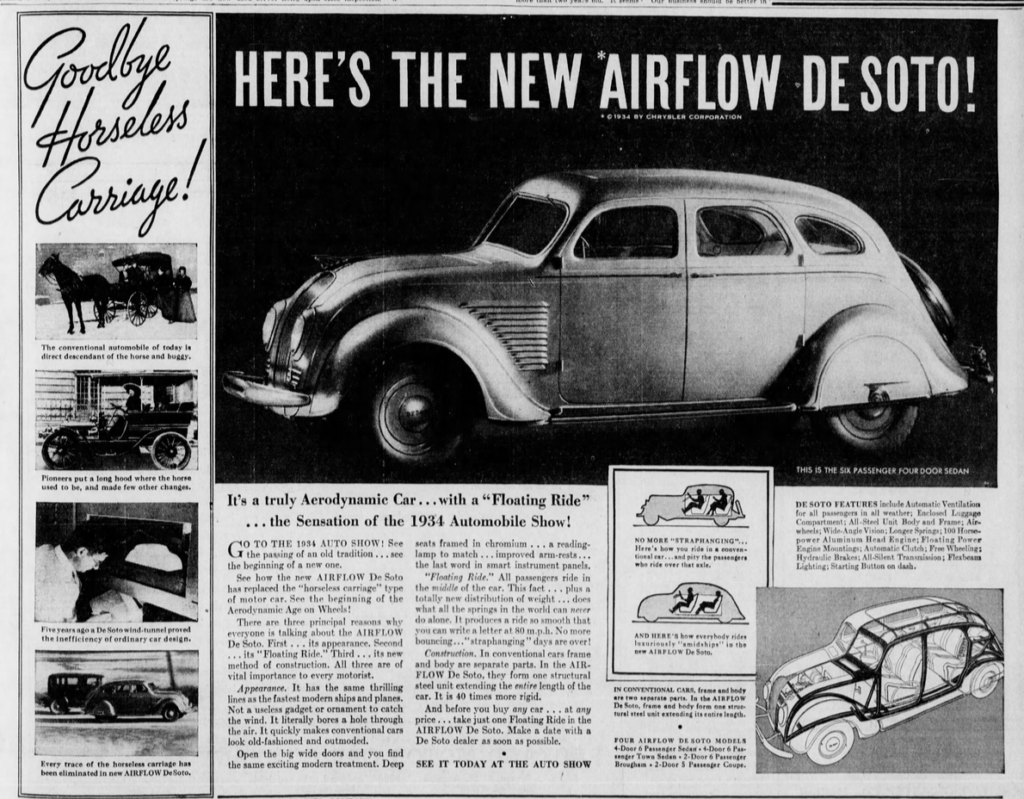
In 1930, a Cadillac Fleetwood cost nearly $5,000, a staggering sum during the global economic downturn. Despite its elite status, used models depreciated heavily through the late 1930s. Classified ads from the era show V-12 and V-16 Fleetwoods listed for as little as $1,600-more than 50% depreciation within a few years.
Most Fleetwoods saw limited use, as daily commuting was uncommon. Many executives drove them only between city residences and country estates, meaning surviving examples often retain surprisingly low wear.
Ten Years, Two Owners, One Restoration
The Fleetwood now for sale benefited from a meticulous ten-year restoration initiated by an enthusiast in Oklahoma and completed by current owner Steve Nannini of Arizona. The car was shown at Pebble Beach in 2024, where it attracted significant attention from the vintage car community.
Rather than heading to Mecum, RM Sotheby’s, or a private Car Week transaction, the car is listed through M.S. Rau Antiques, a New Orleans–based dealer better known for fine art than automobiles. The sale marks a rare foray into the collector-car world for the firm.
A Collectible With Cross-Generational Appeal
According to Andrew Fields, President of M.S. Rau, the Fleetwood appeals to a wide array of potential buyers-traditional car collectors, motorsport enthusiasts, and even younger tech-sector buyers who appreciate the historic innovation and mechanical sophistication of prewar engineering.
Fields compares the sale of the Cadillac to dealing in fine art: rarity, provenance, historical relevance, and execution all contribute to its value. With only 43 known surviving V-16 Fleetwoods, this example represents one of the few remaining masterpieces of early American luxury automotive design.
A Survivor From One of America’s Toughest Eras
Built in the depths of the Great Depression, the 1934 Cadillac Fleetwood represents both the excess and the resilience of American luxury manufacturing. Surviving decades of economic turmoil, rapid technological change, and even cross-continent travel, this car now stands as a rolling artifact of a transformative moment in automotive history.
And now, after nearly a century, it is poised to find a new home-one that appreciates not only its beauty, but the global engineering legacy it helped shape.
Leave a Reply