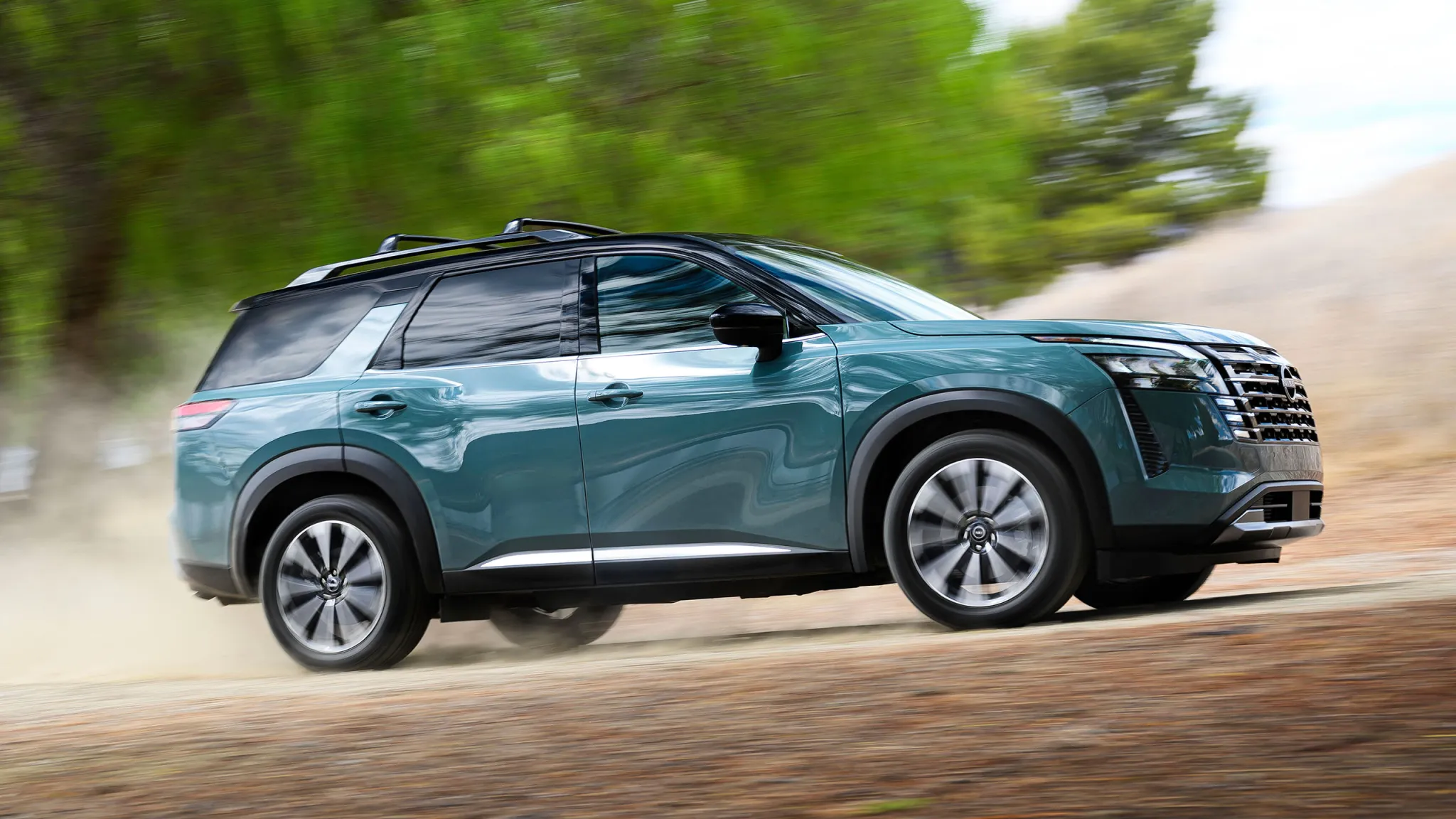
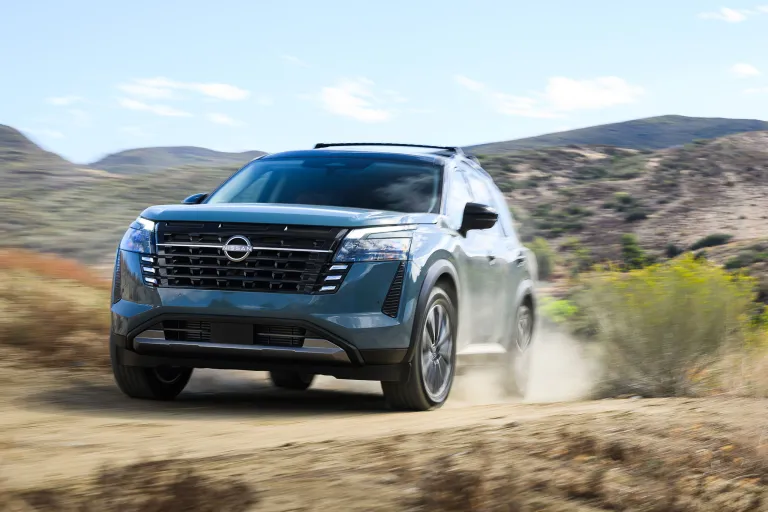
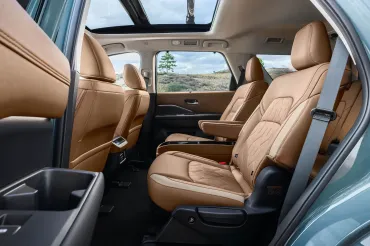
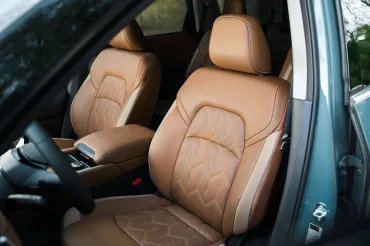
Nissan has refreshed the Pathfinder for the 2026 model year, combining subtle design updates with upgraded interior technology. Even though the current Pathfinder only debuted in 2022, Nissan is already introducing enhancements that aim to keep the SUV competitive in the crowded 2026 SUV market. We got an early look ahead of the vehicle’s public debut at the 2025 Los Angeles Auto Show.
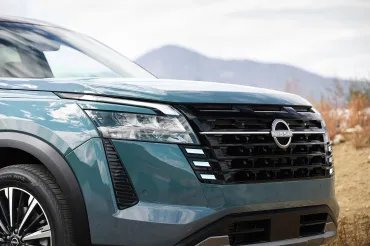
From the outside, the 2026 Pathfinder shows a sharper front end with lighting elements integrated along the edges, giving it a modernized presence on the road. The front bumper now features chiseled faux intakes reminiscent of the Ariya, while the rear remains largely unchanged. A highlight of the exterior is the new available color, Baltic Teal, which adds a fresh look to the SUV’s lineup.
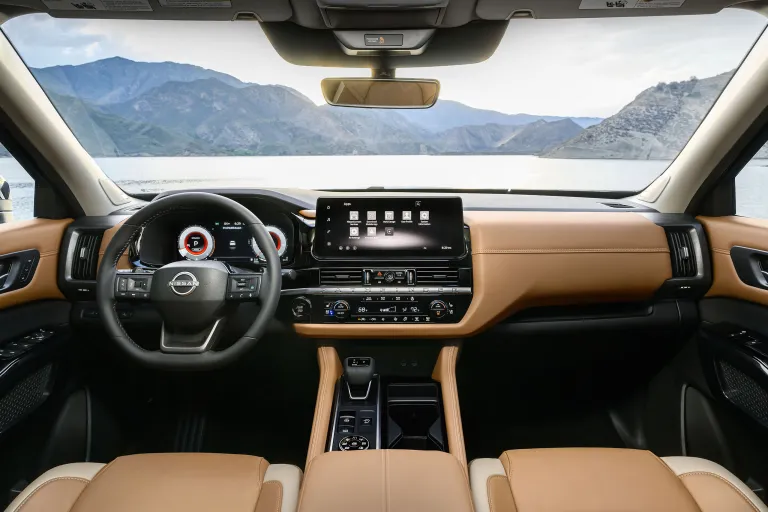
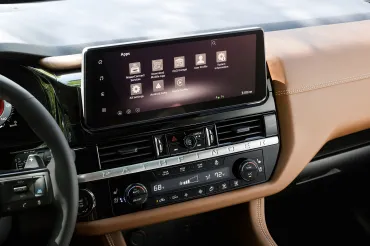
Inside, the Nissan Pathfinder interior has received a notable tech upgrade. The standard infotainment screen is now a wide 12.3-inch display with slimmer bezels, while the old dual knobs have been replaced by a single volume dial just below the screen. Importantly, Nissan retained real, physical buttons for HVAC and media controls, ensuring fans of tactile interfaces are not left disappointed. This combination of new infotainment and physical controls maintains the practicality drivers expect from a family-friendly SUV.
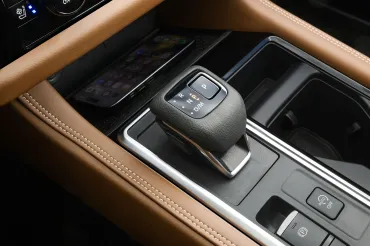
The wireless charging pad has been redesigned to offer better performance. With a new magnet positioning system and a cooling fan, the pad now delivers up to 15 watts of power—substantially more than the 5 watts of the previous system-making it a reliable option for charging smartphones on the go. Wireless Apple CarPlay and Android Auto are now standard across all 2026 Pathfinder trims, further modernizing the SUV’s tech package.
Safety and visibility features have also been improved. The 360-degree camera system now includes a 180-degree wide view of the front, left, and right sides of the vehicle, and an enhanced mode to see areas obscured by the hood. These updates make parking and low-speed maneuvers easier and safer, complementing the SUV’s family-oriented design.
Under the hood, the Pathfinder continues with the familiar naturally aspirated 3.5-liter V6 engine, producing 284 horsepower and 259 lb-ft of torque, paired with a 9-speed automatic transmission. Nissan continues to manufacture the Pathfinder in Tennessee, with 2026 model-year vehicles expected to arrive at dealerships early next year.
Overall, the 2026 Nissan Pathfinder balances subtle design refinements, meaningful interior tech upgrades, and the tactile driving experience drivers love, making it a strong contender in the 2026 SUV segment.
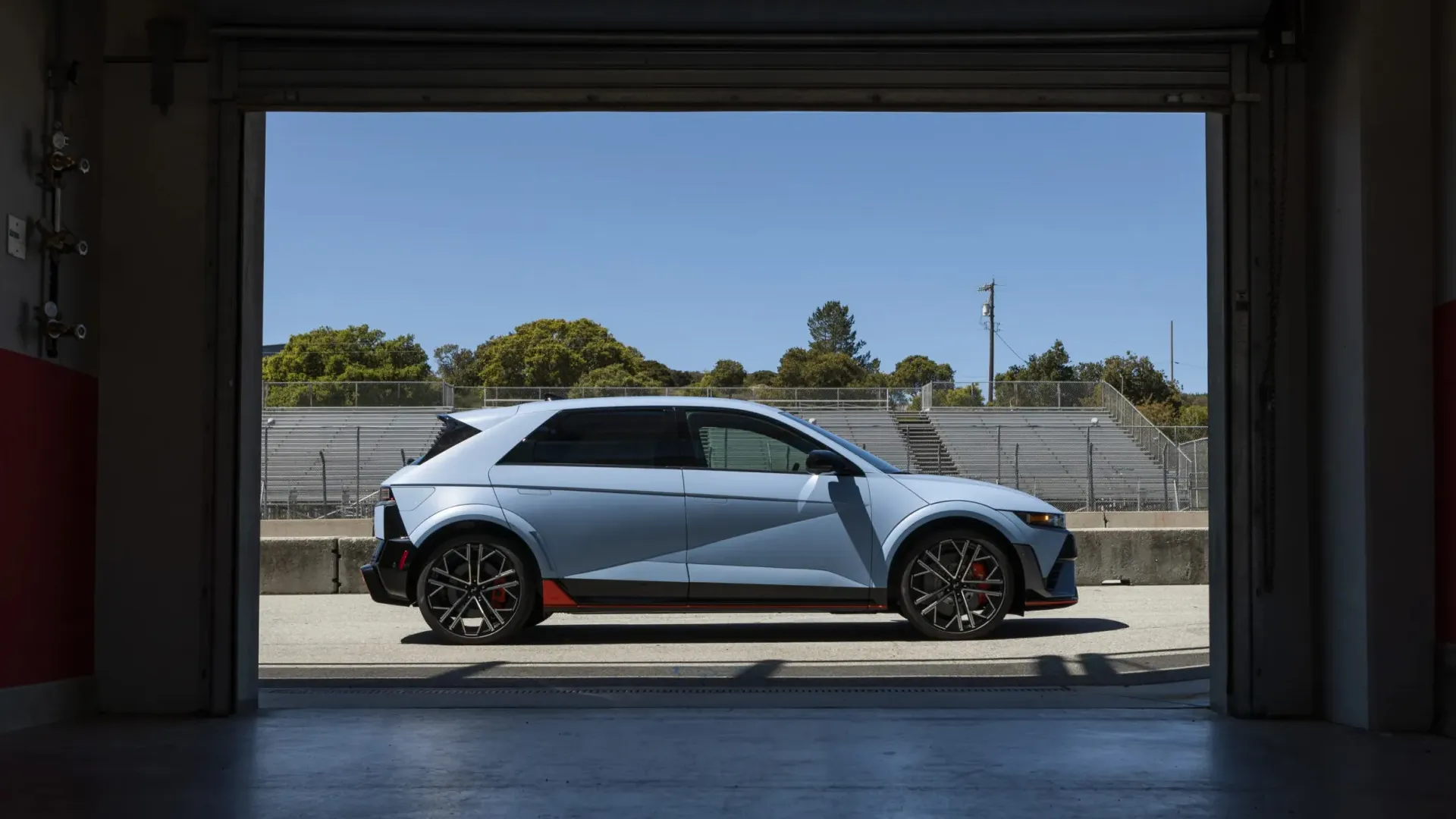
Electric vehicles (EVs) are generally simpler mechanically than traditional gasoline cars. However, the 2025 Hyundai Ioniq 5 N demonstrates that EV maintenance can become unexpectedly complicated due to software restrictions and coding requirements. A recent Reddit post caught attention when an Ioniq 5 N owner discovered he could not replace his brake pads at home without professional-level digital authorization. This situation highlights the growing role of software in modern EV service.
For anyone used to DIY car maintenance, this may sound frustrating. Unlike older vehicles, many modern EVs, including the Ioniq 5 N, rely on an electronic parking brake controlled by the vehicle’s computer. Even a task as basic as removing brake pads requires communicating with the car’s electronic control unit (ECU), rather than simply disconnecting a cable or turning a nut.
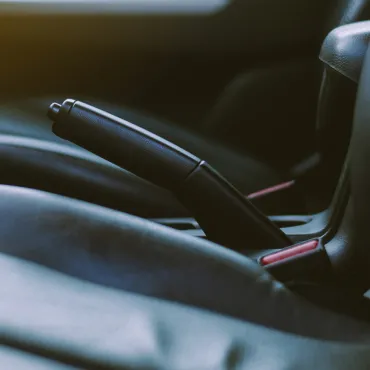
Traditional parking brakes with large hand levers are mechanical systems
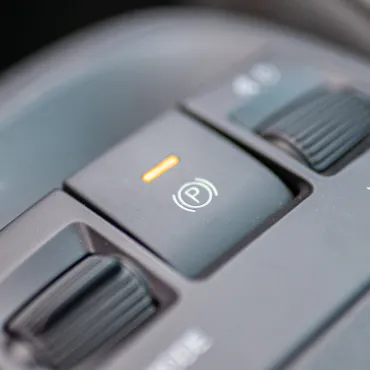
Cars with a button or switch instead of a lever use an electronic parking brake
Brake Pad and Rotor Replacement: A Simple Task That Isn’t
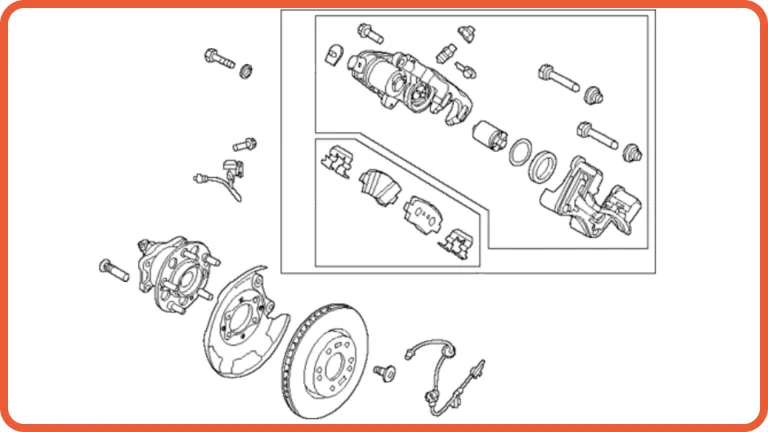
Replacing brake pads and rotors is one of the most routine car maintenance jobs. Thanks to regenerative braking, EV pads often last longer, but eventually they still wear out. On most vehicles, the process involves placing the rear calipers into service mode, usually handled by a diagnostic tool. Without this step, the electronic parking brake prevents safe removal of the pads.
Many readily available bi-directional OBD scanners can issue this retract-brake command, but on the Ioniq 5 N, no common consumer tool worked. The Reddit poster had to explore commercial-grade diagnostic options, which are expensive and complex.
Accessing Hyundai’s Proprietary Diagnostic System
To interface with the Ioniq 5 N’s electronic parking brake, owners can use Hyundai’s Global Diagnostic System (GDS), which costs around $6,000, or an approved J2534 pass-through device. Approved devices include CarDAQ Plus 3 (~$2,000), MTS 6531 (~$2,000), and d-briDGe PRO (~$800).
A subscription to Hyundai’s J2534 software is also required, starting at $60 per week. Only OEM-approved devices function properly, meaning even after purchasing the tools and subscription, independent owners cannot perform brake maintenance without professional credentials.
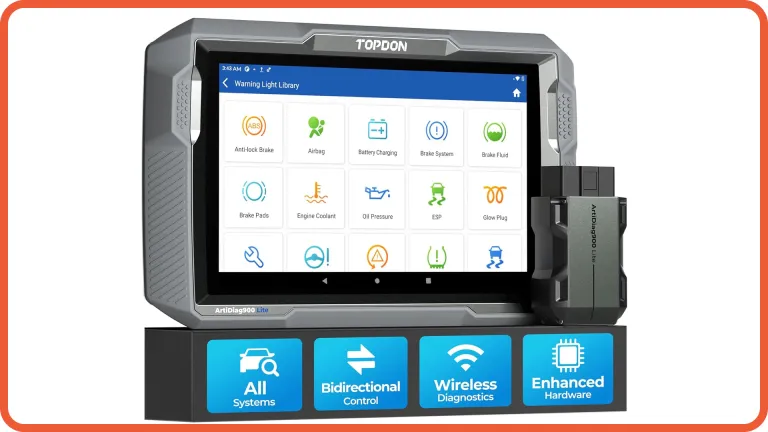
Affordable bi-directional scanners like the TOPDON ArtiDiag900 claim to control electronic parking brakes, but they likely won’t pass Hyundai’s required software authentication. TOPDON
The Final Roadblock: NASTF Credentials
Hyundai’s technical documents explicitly state: “Access to Bi-Directional Tests and Special Functions require Diagnostic Professional or Vehicle Security Professional credential from NASTF.” The National Automotive Service Task Force regulates professional-level access for sensitive vehicle functions.
This means only certified mechanics with NASTF authorization can fully operate the Ioniq 5 N’s service tools. Regular owners, even with the right tools and subscription, cannot change their own brake pads. This security measure is not about dealer refusal; it is a safeguard for vehicle integrity and safety.
Hyundai’s Official Response
Hyundai confirmed that the official procedure for servicing Ioniq 5 N brakes requires placing rear calipers in service mode using either GDS or J2534. A recent software update allows additional functions for aftermarket J2534 users, but sensitive operations still require NASTF authentication.
The automaker is exploring ways to make routine maintenance more accessible without compromising safety. Hyundai recognizes DIY interest but stresses that certain limitations are necessary to protect vehicle security and ensure proper brake functionality.
Bi-directional scanners like the TOPDON ArtiDiag900 support electronic parking brakes, but they likely can’t pass Hyundai’s software authentication. TOPDON
Right to Repair: Legal vs. Practical
While the Reddit thread titled “Hyundai declares WAR on Right to Repair” wasn’t legally accurate, it highlights a real issue. Right-to-repair laws prohibit hiding diagnostics entirely behind proprietary tools, and Hyundai does provide aftermarket access via J2534.
In practice, though, replacing brake pads now requires thousands of dollars in hardware, OEM-approved software, a weekly subscription, and NASTF credentials. A task that was once simple for DIYers is effectively restricted to professional mechanics.
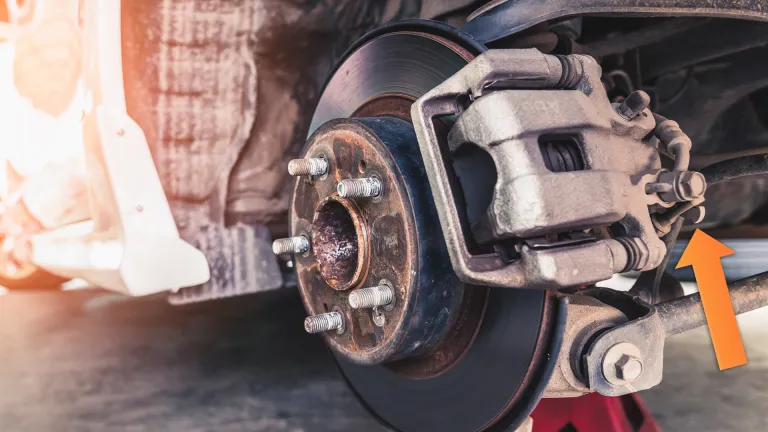
Rear brake caliper showing the parking brake engager (orange arrow). On modern cars, you need computer control to adjust it. stock.adobe.com
A Growing Industry Trend
Hyundai is not alone. Many modern EVs and even gasoline cars increasingly require software authentication to perform basic tasks such as brake service, battery disconnects, and steering maintenance. Protecting digital keys, encryption, and lock systems is critical, but limiting brake maintenance behind professional credentials feels excessive. Vehicle owners should have practical access to maintain the cars they legally own.
DIY Workarounds: Proceed with Caution
Some third-party tools claim to override the electronic parking brake, but these are unofficial, unsupported, and may trigger system errors or safety issues. Anyone attempting them should proceed at their own risk. Modern EVs like the Hyundai Ioniq 5 N demonstrate how software and security integration can make even basic maintenance challenging for DIY enthusiasts.
For decades, removing the doors on a Jeep Wrangler has been an essential ritual for anyone who loves open-air, doorless driving. But it also came with one annoying constant: Torx bits. Whether you owned an older JK, a JL, or even a Wrangler 4xe, you always needed a set of Torx tools to undo hinge screws, store hardware, and carefully reverse the entire process later.
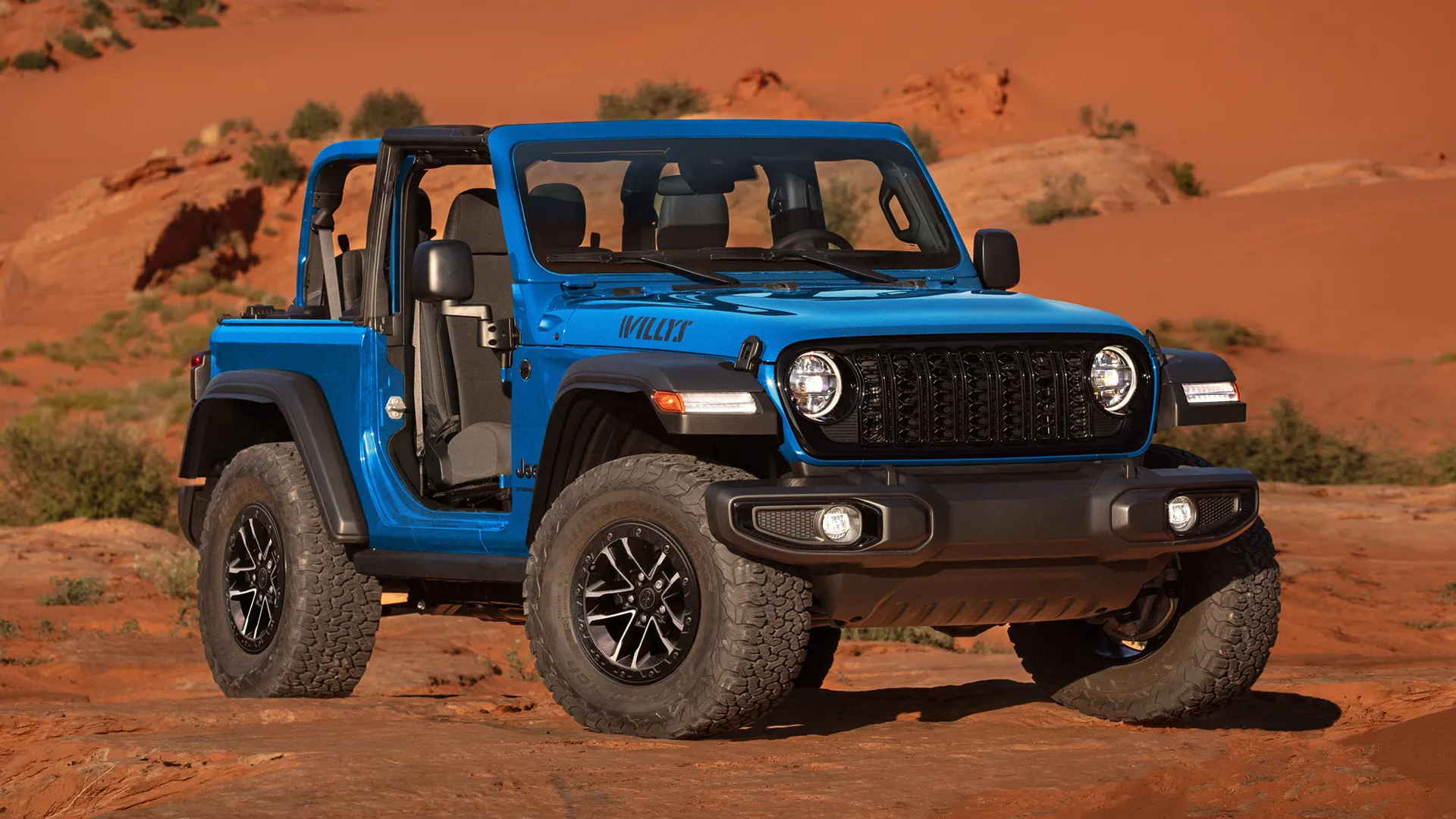
That all changes with the 2026 Jeep Wrangler, which finally introduces a tool-free door removal system designed to make life much easier for Wrangler owners and 4×4 enthusiasts.
Jeep Says Goodbye to Torx Bits-And Makes Door Removal Easier Than Ever
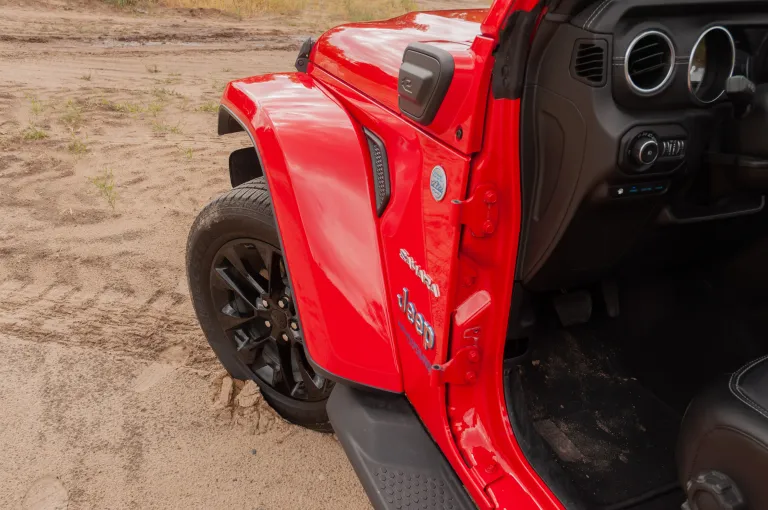
The upgrade is long overdue. Jeep has quietly eliminated the need for the supplied Torx bit and wrench by adding a new mechanism-likely a plastic latch system integrated into the hinge pins-that allows owners to pull the doors off without touching a single tool.
Jeep hasn’t yet detailed the full engineering behind the new setup, and no one outside the company has tested a production 2026 model. But based on early documentation, owners will simply unlatch the hinge pins and lift the doors up and away from the body.
You’ll still have to perform the final lift manually-this is still a Wrangler, after all-but the process appears dramatically quicker and cleaner than before.
The 2026 Wrangler’s new tool-free hinges make door removal quick and effortless
Why This Is a Big Deal for Everyday Wrangler Owners
Anyone who has ever removed Wrangler doors knows the routine:
use a #50 Torx head driver to remove the outer hinge pin screws
store the hardware under the trunk’s false floor or beneath the Gladiator’s rear-seat bin
grab a #40 Torx driver to remove the interior check screw
pray you didn’t drop or lose a single fastener
If one Torx bit went missing, you were stuck. Reinstalling the doors could be even worse.
This is how Mopar has explained the process for years-and why the tool-free design arriving for 2026 models is such welcome news.
A Small Change With Big Implications for Jeep Culture
Removing the doors has always been about more than convenience. For Jeep fans, it’s a core part of the Wrangler identity-right up there with removable roofs, fold-down windshields, and rugged off-road capability.
Making that process easier opens the door (pun intended) for more people to enjoy the open-air Wrangler experience without the frustration that used to come with it.
Of course, not everyone will celebrate the change. The only real losers here are:
the supplier that used to ship Torx tools with every new Wrangler
YouTubers who made money posting “How to Remove Jeep Doors in 5 Minutes!” tutorials
But for the millions of Wrangler owners worldwide, this is a major quality-of-life upgrade.
The Bottom Line
The 2026 Jeep Wrangler is shaping up to be the most user-friendly version yet, thanks to its new tool-free door removal system that eliminates Torx bits entirely. It preserves everything that has made the Wrangler famous while removing one of the most irritating parts of ownership.
If open-air driving is part of Jeep DNA, this update finally brings the experience closer to what it should’ve always been: simple, quick, and ready for adventure.