Category: Motorsports

  • Audi R26: Minimalist Design Makes a Bold Statement for F1 Debut

    Audi R26: Minimalist Design Makes a Bold Statement for F1 Debut

    Audi is entering Formula 1 with a car that proves simplicity can be stunning. Its first F1 contender, the Audi R26, was revealed in Munich ahead of the official livery launch in January 2026, and it already stands out for its clean, purposeful design. While most F1 liveries rely on horizontal stripes to accentuate curves, Audi opted for a minimalist aesthetic that makes a strong visual impact on the grid.

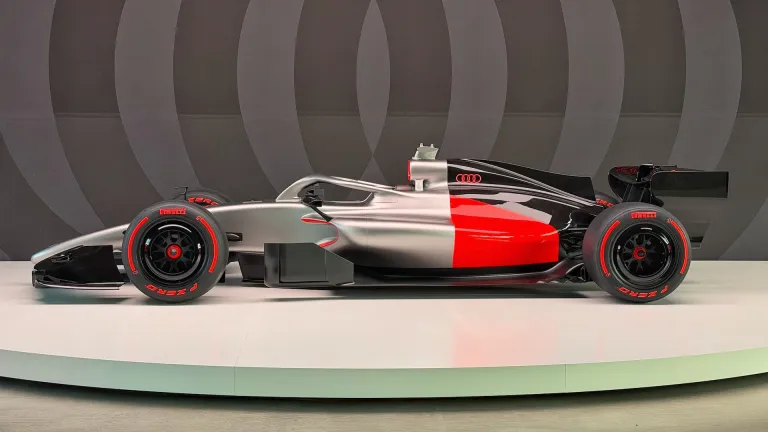
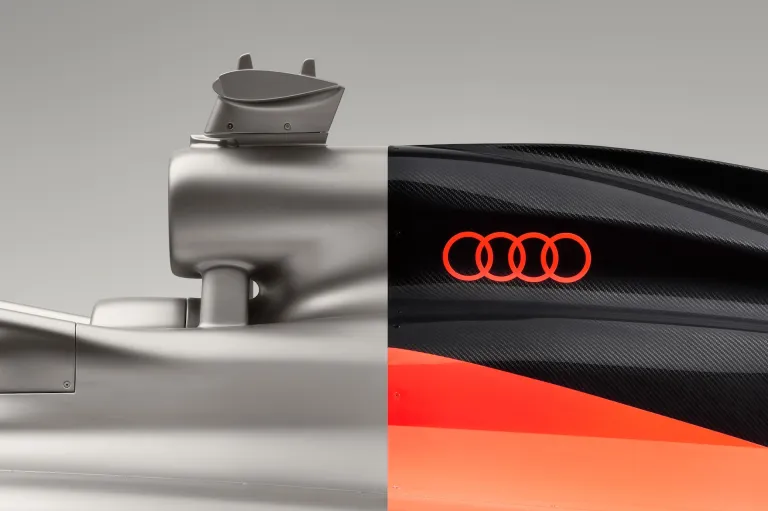
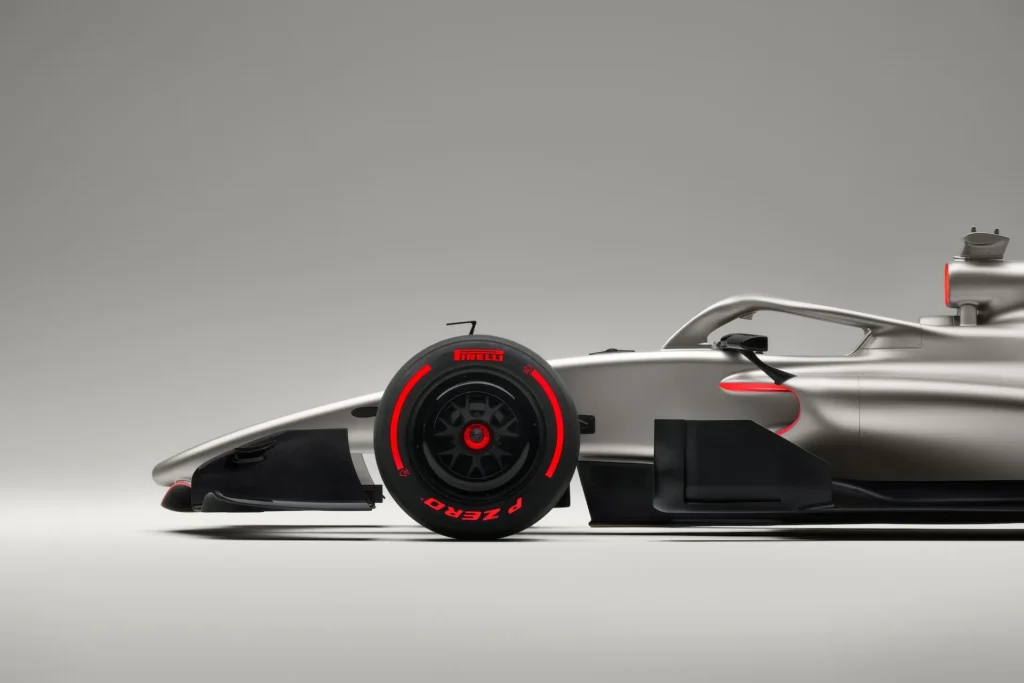
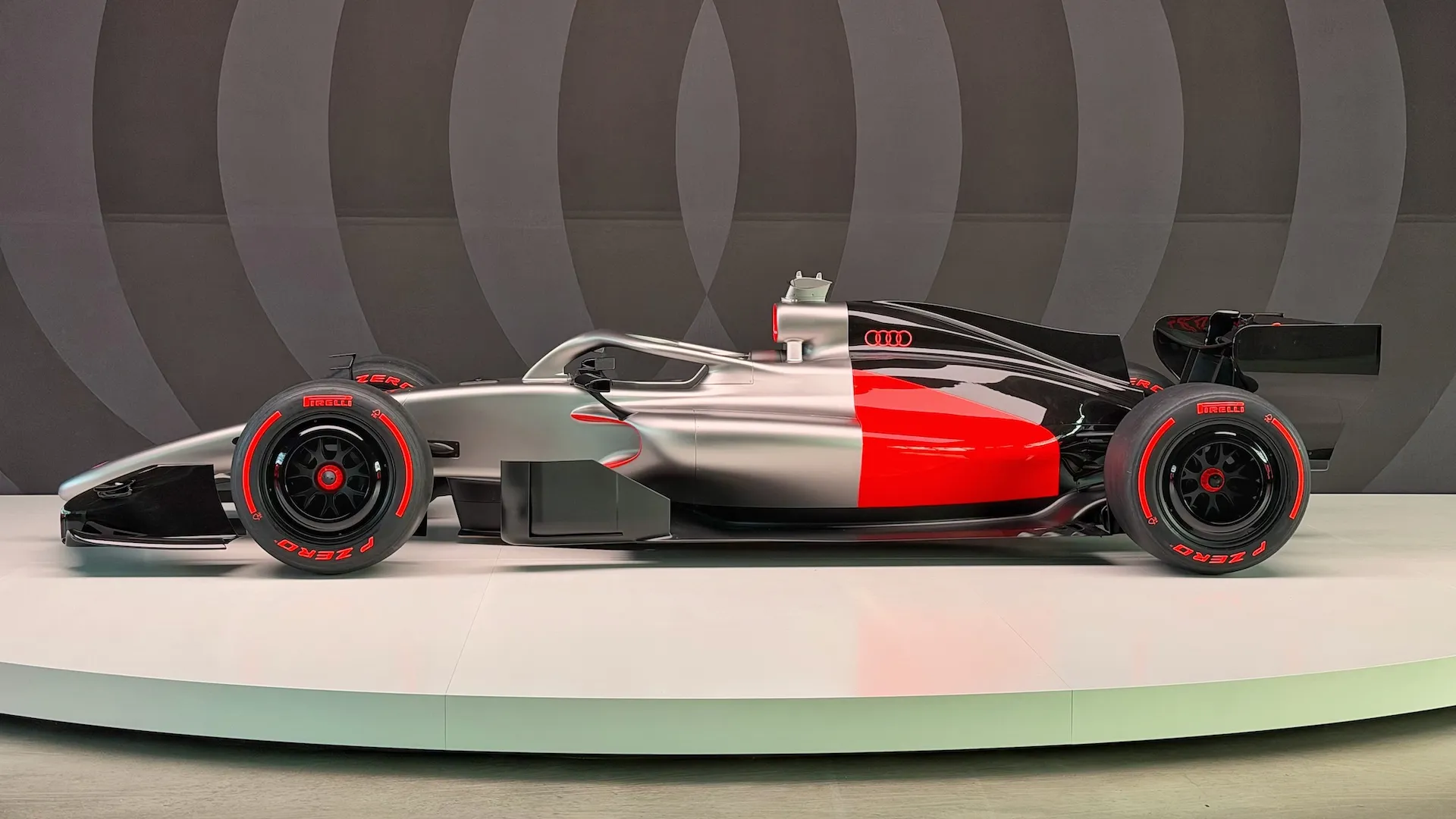
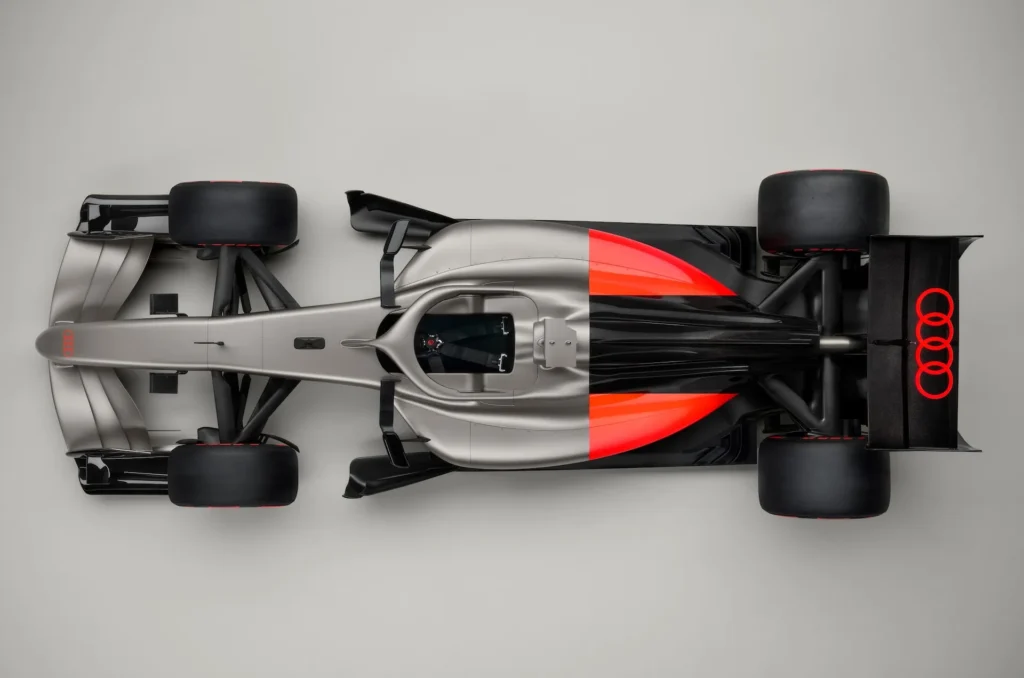
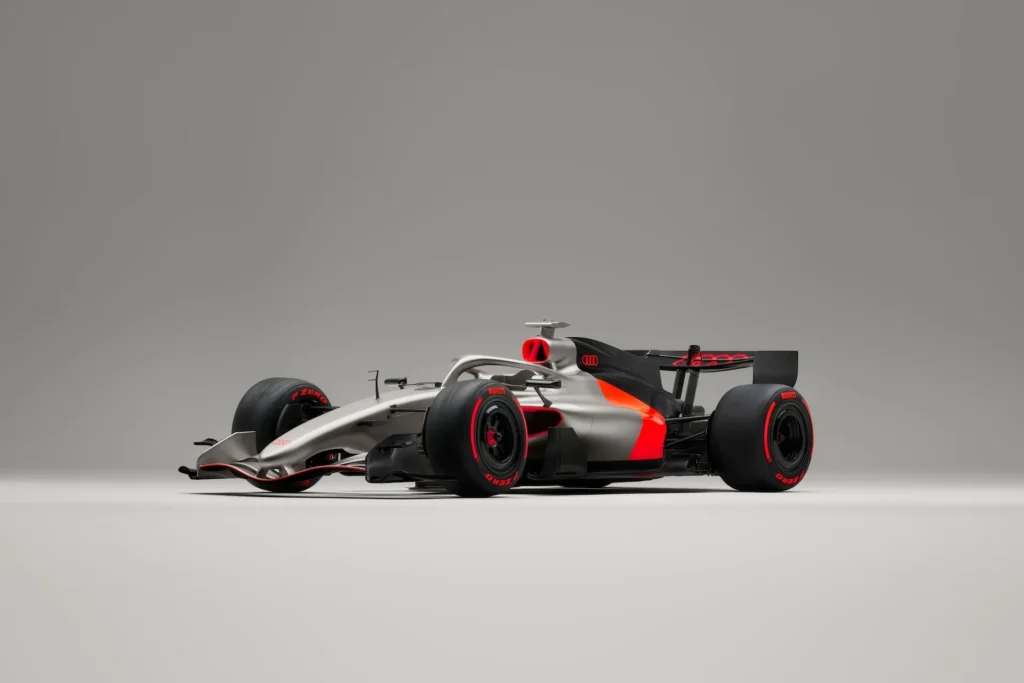
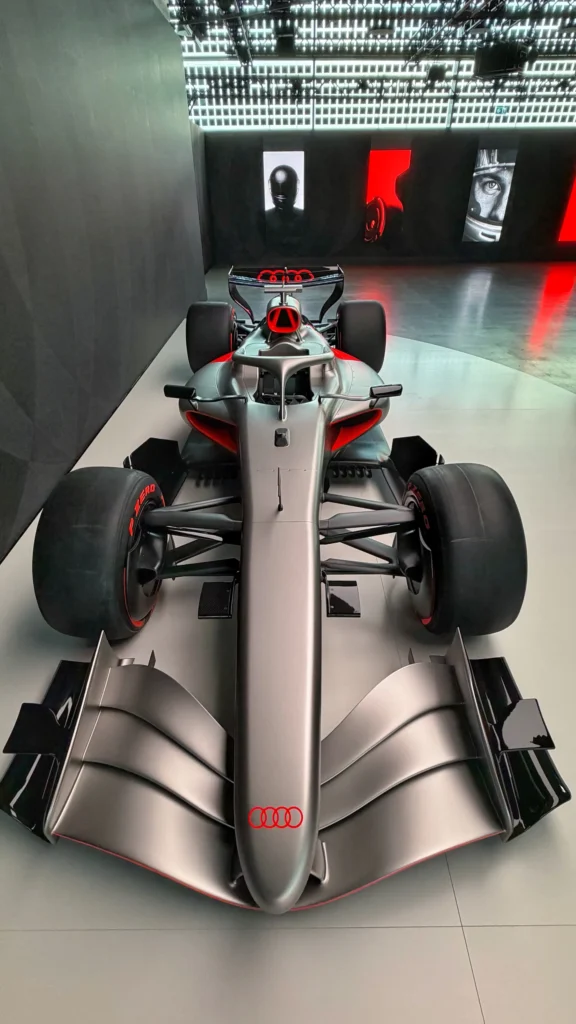
    The R26 uses just three main colors alongside the iconic four rings, creating a sophisticated yet bold identity. Titanium sweeps from the nose to the engine cover, giving a silky, almost magnesium-like finish. Carbon black, a dark raw carbon fiber, adds depth and texture, while Audi Lava Red accents the front wing, sidepod air intakes, and top intake above the driver, ensuring the car pops both on track and on broadcast.

    Heritage Meets a New Era

    The R26 is more than a livery—it’s a statement of intent. Audi CEO Gernot Döllner highlighted that entering Formula 1 marks the next chapter of the company’s motorsport journey. Since its WRC debut in 1981 with the iconic Quattro, Audi has excelled in Le Mans prototypes, TransAm, IMSA GTO, DTM, Formula E, and the Dakar Rally. Motorsport remains central to Audi’s DNA, driving innovation across both race and road cars.
    The Audi R26 Formula 1 car blends modern F1 design with decades of Audi motorsport heritage, from Quattro rally icons to Le Mans dominance.
    The Audi R26 Formula 1 car blends modern F1 design with decades of Audi motorsport heritage, from Quattro rally icons to Le Mans dominance.

    “We are not entering F1 just to participate. We want to win. Building a top team takes time, perseverance, and constant questioning of the status quo. By 2030, we aim to fight for the World Championship title,” Döllner said.

    This philosophy is reflected in the R26’s design, which nods to Audi’s racing legacy while projecting a high-performance, contemporary image for Formula 1.

    Tactical Design and Color Distribution

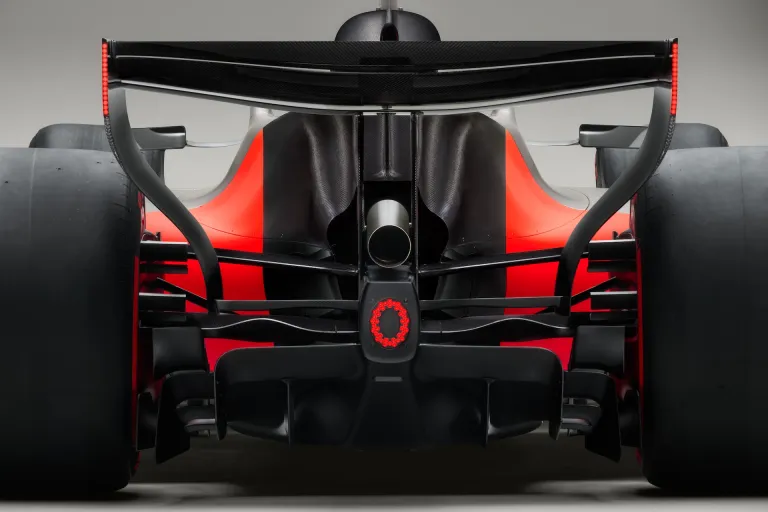
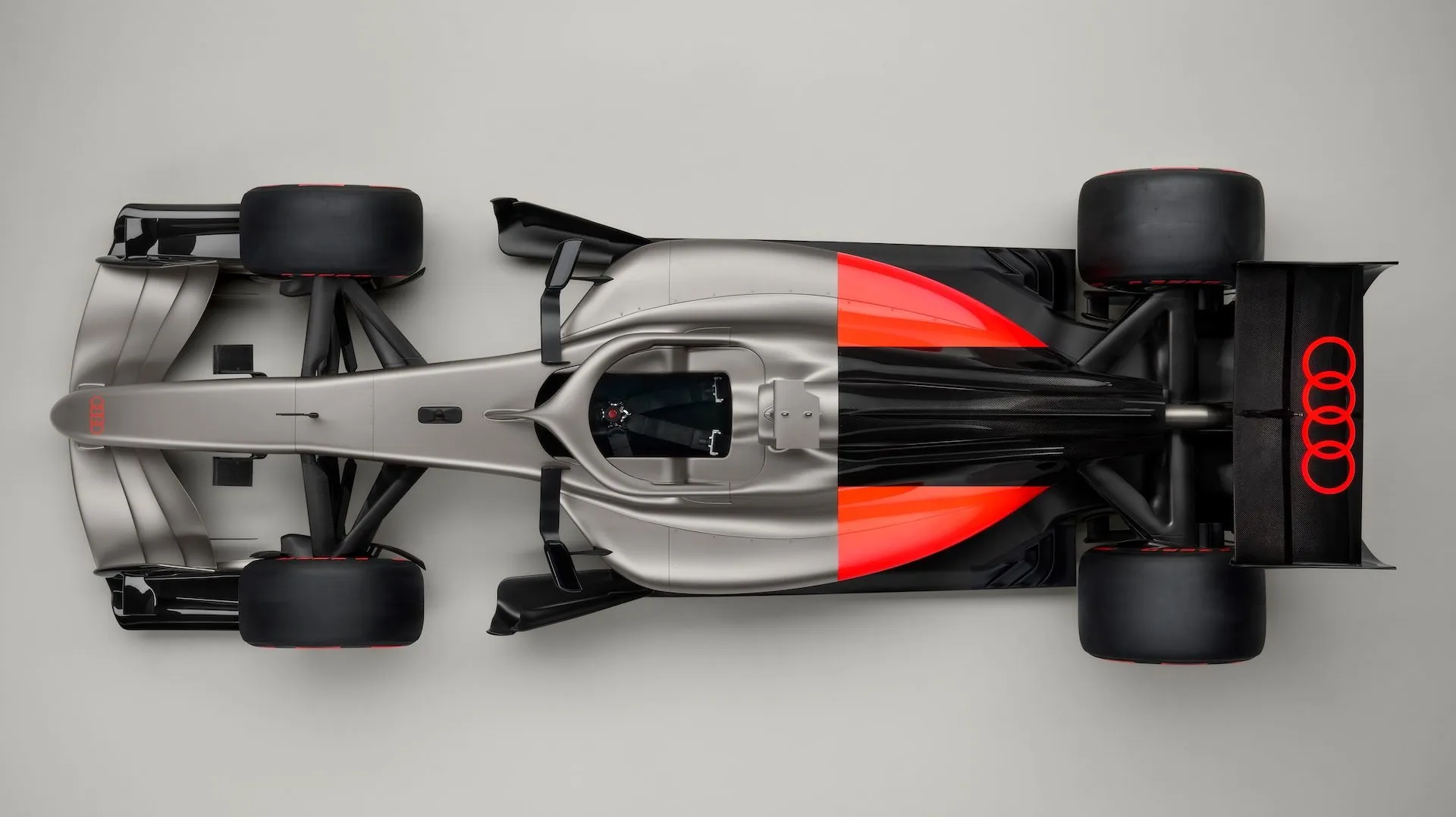
    Livery designer Marcos dos Santos explained that every color and panel serves both aesthetic and functional purposes. Titanium dominates the driver cell and sidepods, creating a continuous flow across the chassis. Lava Red highlights critical aerodynamic areas and engine components, guiding the eye along performance-driven lines. Carbon black wraps the rear wing and engine cover, reinforcing Audi’s racing pedigree.
    Titanium, Lava Red, and exposed carbon fiber are carefully distributed across the R26 to highlight its aerodynamic form and performance intent.
    Titanium, Lava Red, and exposed carbon fiber are carefully distributed across the R26 to highlight its aerodynamic form and performance intent.

    Dos Santos confirmed that even with sponsor decals, the R26 will retain its clean, striking appearance, demonstrating careful planning to balance heritage, visual clarity, and F1 performance aesthetics.

    Countdown to the 2026 F1 Season

    Audi is leveraging existing Sauber facilities in Hinwil, Switzerland, drivetrain operations in Neuburg, Germany, and a technology office in Bicester, England. With just 115 days until the R26’s first race and pre-season testing approaching, all three sites are working in unison to ensure the car is ready for its debut.

    Despite starting behind more established teams, Audi’s minimalist yet purposeful design, combined with strategic engineering and visual storytelling, signals that the R26 is not just a debut car—it’s a bold introduction. By fusing heritage, innovation, and design precision, Audi is poised to make a lasting impression on the 2026 F1 grid.
    With development underway across Europe, the R26 represents Audi’s coordinated push toward its long-awaited Formula 1 debut.
    With development underway across Europe, the R26 represents Audi’s coordinated push toward its long-awaited Formula 1 debut.
  • How Audi Used Decades of Racing Dominance To Shape Its First Ever Formula 1 Car

    How Audi Used Decades of Racing Dominance To Shape Its First Ever Formula 1 Car

    Designing a Formula 1 car is difficult. Designing a Formula 1 car without any previous F1 design language is something else entirely. Yet that’s exactly the challenge Audi faced as it prepared the R26, its first ever F1 machine, and a car meant to symbolize not just a debut season but a new era.

    While Ferrari has red, Mercedes has silver, and McLaren has Papaya Orange rooted in decades of tradition, Audi had no pre existing F1 identity to recycle. So the brand had to answer a fundamental question:

    How do you create a Formula 1 livery that honors Audi’s legendary motorsport past while still looking like something entirely new?

    TwoSpotlight sat down with Marco dos Santos, the lead designer responsible for shaping the R26’s aesthetic, to understand how Audi blended history, innovation, and design philosophy into a livery that demands attention on the grid.

    A Clean Slate But a Heavy Legacy

    Audi may be “new” to Formula 1, but the brand is anything but inexperienced in racing.
    From Group B Quattro monsters to Le Mans dominating prototypes to Dakar EV challengers, Audi has a racing catalog filled with icons. Still, there has never been a Formula 1 car carrying the four rings and that brought both creative room and pressure.

    Although new to F1, the Audi R26 Formula 1 car draws inspiration from decades of Audi racing heritage, including Le Mans and Group B icons.
    Although new to F1, the Audi R26 Formula 1 car draws inspiration from decades of Audi racing heritage, including Le Mans and Group B icons.

    The R26, unveiled this week, proves that a simple palette of Titanium grey, Lava Red, and exposed carbon fiber can create a striking visual identity. The “black” isn’t paint at all it’s a dark carbon weave that integrates visually with the car’s aerodynamics.

    Dos Santos explained to TwoSpotlight that the first step was looking inward:

    “We took a long, honest look at our racing history what made us successful, what defined us and then figured out how to evolve that,” he said.

    A retro silver livery, like a modernized Auto Union Type C, would’ve been the obvious choice. But that wasn’t the mission. Audi wanted something progressive, not nostalgic.

    Balancing Heritage and a Forward Looking Identity

    Audi’s design team wanted the R26 to feel like part of the brand’s lineage without looking like a museum piece. That required pushing boundaries within the rigid constraints of an F1 chassis.

    “The racecar is a design object first,” dos Santos explained.
    “Every line has a purpose. That’s why we color blocked the body the way we did-letting the form dictate where Titanium meets exposed carbon fiber and where the Lava Red slices through.”

    The Titanium shade, which debuted on the Audi Concept C, covers much of the nose, driver cell, and sidepod surfaces. From there, Lava Red defines the car’s identity and boosts visibility on track and on TV something livery designers now treat as essential.

    The Audi R26 Formula 1 livery blends Titanium grey, Lava Red, and exposed carbon fiber to create a modern yet heritage-inspired identity.
    The Audi R26 Formula 1 livery blends Titanium grey, Lava Red, and exposed carbon fiber to create a modern yet heritage-inspired identity.

    The exposed carbon fiber on the engine cover and rear wing brings a motorsport feel that connects to Audi’s modern performance DNA.

    Look closely and you’ll see subtle references to:

    • 2000s Le Mans prototypes (R8, R10, R18)
    • WRC Quattro heritage
    • The S1 Hoonitron
    • The Q8 e-tron Dakar racer

    But the R26 never feels derivative. It’s a synthesis not a tribute act.

    Design Constraints and Creative Freedom

    Despite working within one of motorsport’s most restrictive canvases, dos Santos said Audi still found room to innovate.

    “F1 has extremely specific architecture. But Audi has so many cool elements from the past to evolve. We wanted something that screams engineering performance while staying true to Audi’s spirit.”

    That meant matching certain carbon fiber sections precisely to aerodynamic surfaces and using color only where it advances the car’s dynamic lines. It’s minimal but intentionally so.

    The Audi R26 Formula 1 car uses precise color blocking and exposed carbon fiber to complement its aerodynamic architecture.
    The Audi R26 Formula 1 car uses precise color blocking and exposed carbon fiber to complement its aerodynamic architecture.

    The Emotional Weight of Designing an F1 Car

    For dos Santos, the R26 isn’t just a product it’s a career milestone.

    “It’s unreal to design an F1 car. The biggest honor is working with people who are obsessively dialed into every aspect of the car: materials, finishes, surfaces… all of it.”

    From 2D concepts to 3D surfaces, collaboration with aerodynamicists and engineers shaped the livery just as much as design intent. The livery had to match airflow, contours, and performance zones.

    And what about the inevitable sponsor decals?

    “Not sad at all,” he laughed.
    “We’ve already seen the version with partners. It still looks fantastic.”

    Audi designers collaborated closely with engineers and aerodynamicists to shape the R26 Formula 1 car’s final livery and surface details.
    Audi designers collaborated closely with engineers and aerodynamicists to shape the R26 Formula 1 car’s final livery and surface details.

    Final Thoughts

    Audi’s R26 isn’t just a Formula 1 debut, it’s a declaration. A new look. A new identity. A new interpretation of what a modern Audi race car should be.

    Instead of leaning on nostalgia, Audi built a livery that reflects the brand’s core philosophy:
    pushing boundaries while honoring engineering heritage.

    If the R26’s design language is any indication, Audi isn’t treating its entry into Formula 1 as a test run. It’s treating it as the beginning of a new motorsport dynasty.

  • Why Audi F1 Isn’t Worried About Cadillac in the Race for Top Talent

    Why Audi F1 Isn’t Worried About Cadillac in the Race for Top Talent

    Audi F1 is taking a long-term approach to team building as it prepares for its upcoming Formula 1 debut-focusing heavily on developing young talent straight out of university rather than battling Cadillac for experienced hires already embedded in the F1 ecosystem.

    With the countdown at just 113 days until Audi’s first official race, the organization is rapidly scaling up. Nearly 500 employees, multiple facilities across three countries, and entirely new operational structures must be in place. Cadillac, the other newcomer on the 2026 F1 grid, is expanding at a similar pace, investing heavily in real estate, engineering staff, and technical resources to establish immediate competitiveness.

    Because the pool of true Formula 1–level engineers and suppliers is extremely small, the arrival of two major new teams could easily create a hiring conflict. But Audi says it isn’t concerned. Its transition from Sauber provides a stable foundation-unlike Cadillac, which is constructing its team from zero-and Audi is deliberately pursuing a different talent strategy.

    During an interview with Audi F1 leaders Jonathan Wheatley and Mattia Binotto at the R26 reveal in Munich, TwoSpotlight learned that Audi intends to develop a new generation of engineers rather than poach staff from rival teams.

    Binotto explained to TwoSpotlight: “Cadillac has made a completely different strategic approach, starting from scratch, setting up in Silverstone to be near the other F1 teams. Meanwhile, we’ve chosen to invest in Sauber in Switzerland, and this location will be our competitive advantage. We want to attract the right people-and create an environment where our current people want to stay.”

    He added that Audi’s strategy centers on long-term sustainability rather than short-term gains. Training, coaching, and mentoring young talent-rather than relying on veterans-will take more time, but it builds a more unified culture aligned with Audi’s engineering philosophy.

    Audi has also built partnerships with major universities to support this approach. “We are investing in young people coming in from several universities through programs we’ve set up,” Binotto told TwoSpotlight. “We’re recruiting private candidates from the best schools in the world, and we have one of the top universities in Switzerland working alongside the Sauber Academy for engineering students.”

    Jonathan Wheatley-known for his two decades at Red Bull Racing and for assembling the world-championship-winning pit crew-will officially step in as Audi F1 Team Principal on January 1. His leadership experience combined with Binotto’s Ferrari background forms the backbone of Audi’s early technical and cultural structure.

    As new teams enter the 2026 Formula 1 grid, Audi and Cadillac take contrasting approaches to talent, experience, and organizational growth.
    As new teams enter the 2026 Formula 1 grid, Audi and Cadillac take contrasting approaches to talent, experience, and organizational growth.

    Wheatley told TwoSpotlight that building a modern Formula 1 organization requires strengthening talent pipelines, developing internal processes, and establishing a mindset where winning is the norm. “You have to focus on multiple areas of the team while cultivating a mindset where competing for championships is simply normal,” he said.

    After Audi’s acquisition, Sauber underwent a major internal restructuring. A significant share of staff is new, with personnel joining from various motorsport disciplines-rally, endurance racing, and single-seater development. The driver lineup mirrors this balance of youth and experience: rising star Gabriel Bortoleto partners with long-time F1 veteran Nico Hulkenberg.

    Meanwhile, Cadillac has chosen a contrasting path. As TwoSpotlight’s F1 correspondent Olivia Hicks noted, Cadillac opted for maximum experience both on and off the track. Its driver lineup includes Sergio Perez and Valtteri Bottas-two of the most seasoned drivers in Formula 1. Leadership additions include former Marussia boss Graeme Lowdon and engineering legend Pat Symonds, who has worked with icons like Senna and Schumacher since the 1970s.

    While both manufacturers enter the same season, their philosophies couldn’t be more different. Audi is investing in youth, long-term development, and culture-building. Cadillac is prioritizing proven experience and immediate competitiveness.

    Which strategy pays off? The 2026 season will give the world its first real look at the results.