Category: New Car Releases

  • Toyota’s 2026 Lineup: Hybrid Evolution or Full Electric Leap?

    Toyota’s 2026 Lineup: Hybrid Evolution or Full Electric Leap?

    As the global auto industry races toward full electrification, Toyota finds itself at a strategic crossroads. While competitors like Tesla, Hyundai, and BYD are doubling down on all-electric vehicles, Toyota continues to champion its proven hybrid technology. The question for 2026 is clear: Will Toyota finally make the electric leap, or will it strengthen its hybrid dominance once more?

    With over 25 years of hybrid leadership, Toyota enters 2026 balancing innovation and caution. The company has confirmed multiple new EV models under its “bZ” lineup while upgrading its core hybrid vehicles like the Camry, RAV4, and Prius. This dual strategy combining reliability with electrification—defines Toyota’s next chapter, where evolution, not revolution, may prove the smarter move.

    Toyota’s 2026 Lineup Overview

    Toyota’s 2026 lineup demonstrates its trademark versatility: a broad mix of hybrids, plug-in hybrids, and pure EVs designed for every segment. The company isn’t betting everything on electric just yet but it’s clearly preparing for that future.
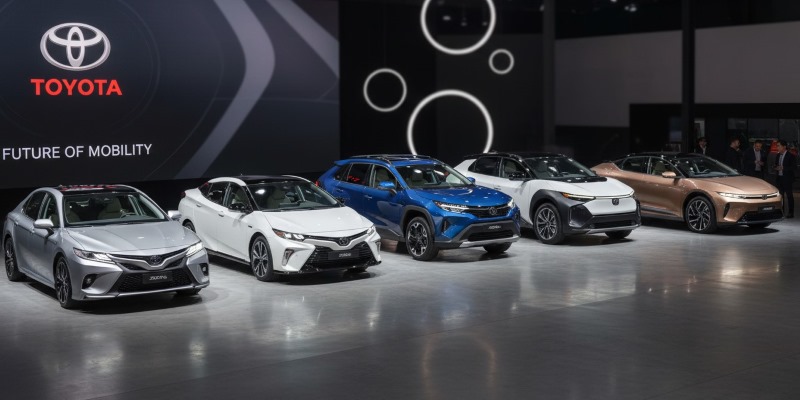
    Toyota’s 2026 lineup blends hybrids, plug-in hybrids, and full EVs across multiple segments.
    Toyota’s 2026 lineup blends hybrids, plug-in hybrids, and full EVs across multiple segments.
    • Hybrid Core Models: The all-new Camry Hybrid 2026, Prius 2026, and RAV4 Prime remain Toyota’s global best-sellers, now featuring improved lithium-ion batteries, better fuel economy, and refined driving dynamics.
    • Electric Expansion: The updated bZ4X electric crossover and upcoming bZ5X three-row SUV mark Toyota’s next step in electrification. Both run on Toyota’s e-TNGA platform, designed for efficiency and modular scalability.
    • Performance & Practicality: Expect performance upgrades and more connected in-car software through Toyota’s next-gen Car OS bridging the gap between traditional drivability and smart tech.

    In essence, Toyota’s 2026 lineup reinforces a simple truth: the brand believes different markets need different solutions. Hybrids for accessibility. EVs for innovation. Together, they form a realistic pathway toward carbon neutrality.
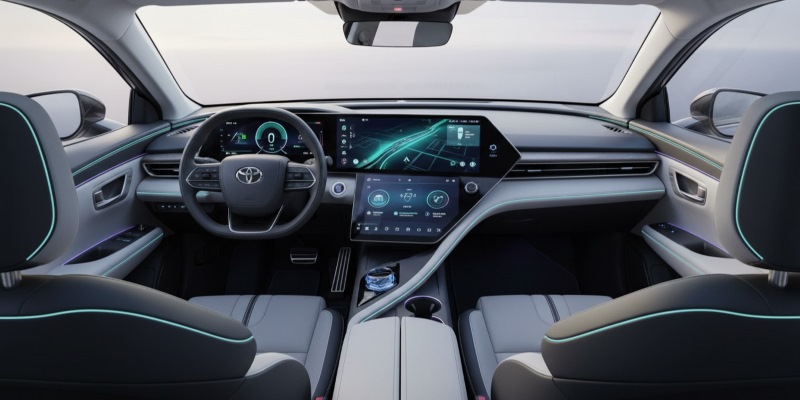
    Next-generation Toyota Car OS enhances connectivity and smart driving features in 2026 models.
    Next-generation Toyota Car OS enhances connectivity and smart driving features in 2026 models.

    Hybrid Stronghold: Why Toyota Still Believes in Hybrid

    While much of the auto industry has shifted focus toward fully electric vehicles, Toyota remains steadfast in its “Hybrid First” philosophy a belief that hybrid technology remains the most practical and scalable solution for the global transition toward electrification. Rather than racing headfirst into an all-EV future, Toyota’s strategy emphasizes accessibility, durability, and real-world efficiency.

    At the heart of this approach lies a simple truth: the global automotive landscape isn’t moving at one uniform pace. Many markets from North America’s rural regions to developing economies still lack sufficient charging infrastructure or affordable electricity costs. For these drivers, Toyota’s mature hybrid system offers an ideal balance between eco-conscious driving and convenience.
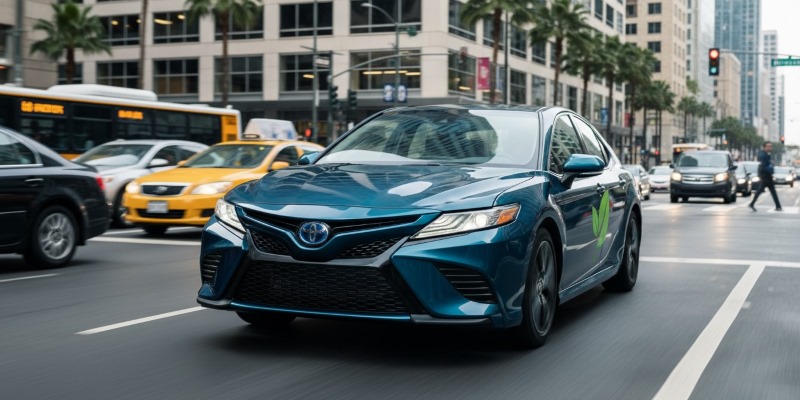
    Camry Hybrid 2026 delivers strong fuel efficiency and smooth urban performance.
    Camry Hybrid 2026 delivers strong fuel efficiency and smooth urban performance.

    Proven Strengths of the Hybrid Approach

    Toyota’s competitive advantage in hybrids stems from decades of refinement and massive scale. Its Hybrid Synergy Drive technology has evolved over 25 years, achieving unmatched efficiency and dependability. Owners benefit from:

    • Low Total Cost of Ownership: Hybrids require no external charging and typically have lower maintenance costs than plug-in or full EVs.
    • Exceptional Durability: Toyota’s hybrid components, including its electric motors and e-CVT transmissions, are known for longevity exceeding 300,000 miles.
    • Urban Efficiency: In stop-and-go city traffic, hybrids like the Camry Hybrid 2026 deliver impressive real-world mileage while reducing emissions where they matter most.
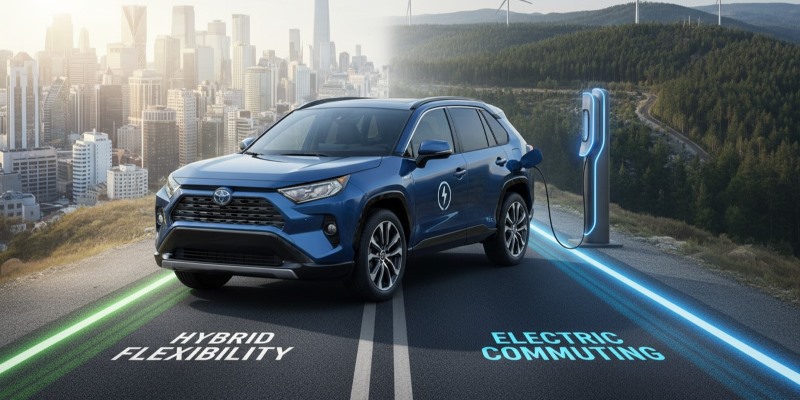
    RAV4 Prime bridges hybrid flexibility with electric commuting capability.
    RAV4 Prime bridges hybrid flexibility with electric commuting capability.

    Showcasing the 2026 Hybrid Lineup

    • Camry Hybrid 2026: Featuring upgraded lithium-ion batteries and an optimized Atkinson-cycle engine, it blends sharper handling with smoother energy transitions. Toyota also improved regenerative braking to enhance efficiency in everyday driving.
    • RAV4 Prime 2026 (PHEV): Acting as the bridge between hybrid and electric, this plug-in SUV offers up to 600 miles of combined range and over 40 miles of pure EV travel ideal for families who want flexibility without range anxiety.
    • Prius 2026: Once the poster child for fuel economy, the new generation adds aerodynamic refinement and a stronger electric motor, turning eco-friendly driving into a genuinely engaging experience.

    Toyota’s confidence in hybrids isn’t resistance to change it’s a recognition of reality. By perfecting hybrid technology first, Toyota ensures a smoother, more sustainable transition toward an all-electric future, built on decades of proven reliability and consumer trust.

    Toyota’s EV Ambition: bZ Series and Future Battery Tech

    After years of prioritizing hybrids, Toyota is now accelerating into the full-electric era with a carefully calculated strategy one rooted in engineering depth rather than marketing speed. The brand’s bZ (Beyond Zero) lineup represents Toyota’s first true global push into the EV mainstream, blending the company’s reliability DNA with new-generation electrification.
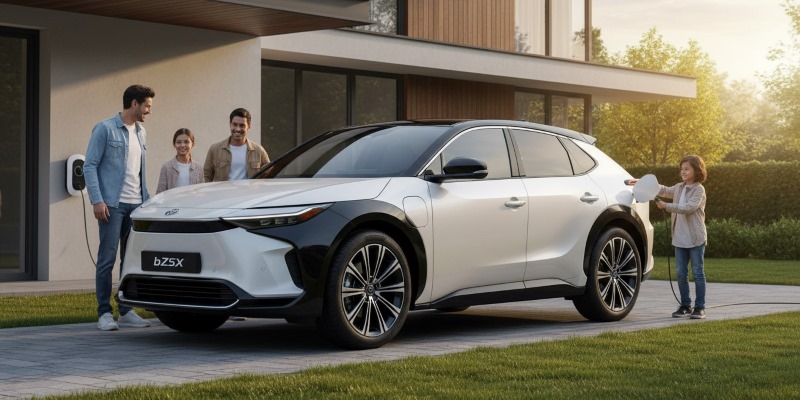
    Toyota bZ5X expands the brand’s EV presence into the family SUV segment.
    Toyota bZ5X expands the brand’s EV presence into the family SUV segment.

    The bZ Lineup: Foundation for Toyota’s Electric Future

    The bZ4X, Toyota’s first mass-market EV, laid the groundwork for the upcoming bZ5X (a three-row SUV) and bZ3, a sedan developed in collaboration with BYD for the Asian market. Each model reflects Toyota’s focus on practicality and consistency rather than chasing extreme specs.
    By 2026, Toyota plans to launch at least six new EV models, expanding across SUVs, sedans, and compact crossovers. These vehicles will ride on a dedicated EV platform optimized for weight balance, aerodynamics, and safety signaling that Toyota is no longer testing the waters, but preparing for large-scale electrification.

    Battery Innovation: The Solid-State Breakthrough

    Where Toyota aims to outpace rivals isn’t just in vehicles, but in battery technology. The company has invested heavily in solid-state batteries, a next-generation chemistry that replaces liquid electrolytes with solid materials for improved energy density and safety.
    Early testing shows potential for ranges exceeding 600 km (≈ 373 miles) and charging times under 15 minutes, which could redefine convenience for EV owners. Toyota expects commercial deployment around 2027, initially targeting premium models before expanding the technology to mass-market vehicles.
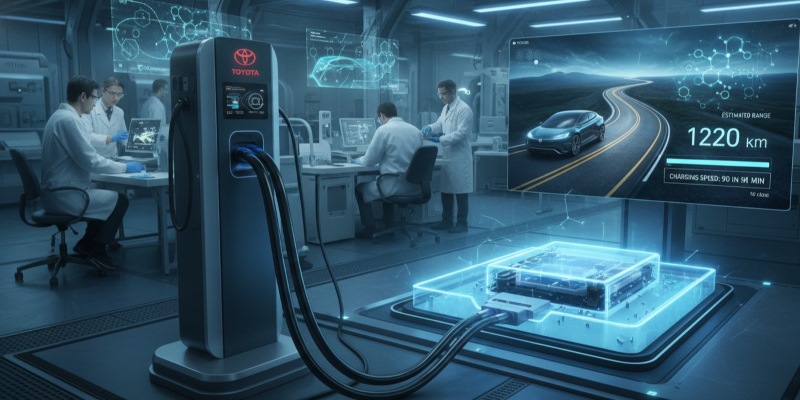
    Toyota’s solid-state battery research aims to deliver faster charging and extended EV range.
    Toyota’s solid-state battery research aims to deliver faster charging and extended EV range.

    Balancing Innovation with Realism

    Despite its ambitious goals, Toyota maintains its signature pragmatic approach. Executives acknowledge that high battery costs, raw material limitations, and uneven global charging infrastructure remain critical challenges. That’s why Toyota continues to invest in both hybrid and EV development, ensuring it can pivot based on market readiness.

    In short, Toyota’s EV journey is not a sprint, it’s a marathon built on methodical engineering. The bZ series marks the beginning of a new chapter, but the company’s true strength lies in its discipline: advancing technology only when it’s reliable, scalable, and ready for real-world drivers.

    Comparison Table: Hybrid vs. EV 2026 Lineup

    Toyota’s 2026 portfolio clearly shows its dual-track strategy maintaining leadership in hybrid efficiency while steadily expanding into full-electric mobility. This balanced approach allows the brand to appeal to both traditional buyers and the new wave of EV adopters.

    The table below highlights how Toyota positions each model across technology, performance, and target audience:

    ModelPowertrainEstimated RangeCharging / Fuel EfficiencyTarget Market
    Toyota Camry Hybrid 2026Hybrid~650 miles52 MPG combinedFamily sedan buyers seeking comfort and economy
    Toyota RAV4 Prime 2026Plug-in Hybrid (PHEV)~600 miles (EV + gas)94 MPGeUrban SUV users wanting flexibility and range
    Toyota bZ4X 2026All-Electric~300 miles150 kW DC Fast ChargingEarly EV adopters focused on tech and sustainability
    Toyota bZ5X 2026Electric SUV (3-row)~320 milesTBD (Expected 200 kW+)Family EV buyers needing space and performance
    Toyota Prius 2026Hybrid~640 miles56 MPGEco-minded drivers prioritizing efficiency

    Analysis

    This lineup underscores Toyota’s transition phase: hybrids like the Camry and Prius remain the backbone for volume and affordability, while the bZ4X and upcoming bZ5X signal the brand’s EV maturity. The RAV4 Prime bridges both worlds offering electric commuting with gas-powered flexibility for longer trips.

    For consumers, this mix means choice: hybrids for proven practicality, and EVs for cutting-edge sustainability. For Toyota, it’s a strategic hedge ensuring dominance regardless of how fast the world shifts to full electrification.
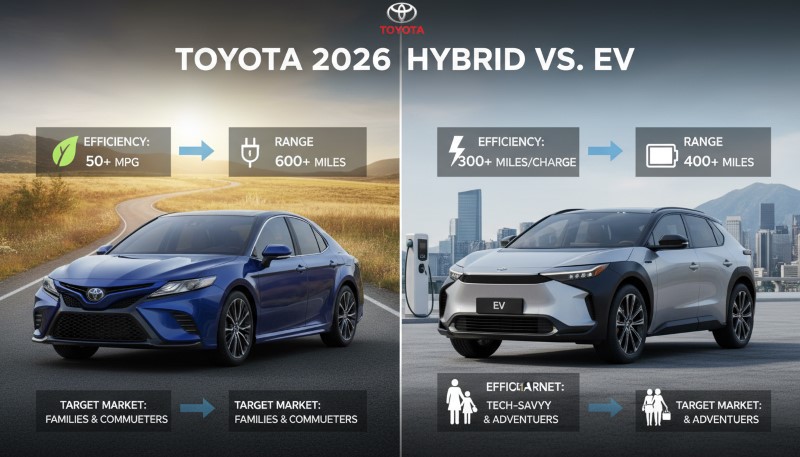
    Toyota’s 2026 hybrid and EV comparison highlights efficiency, range, and target market differences.
    Toyota’s 2026 hybrid and EV comparison highlights efficiency, range, and target market differences.

    Market & Consumer Insight

    Toyota’s 2026 market strategy reflects a clear understanding of shifting consumer behavior in the automotive world. Rather than betting solely on full electrification, the company has crafted a multi-tier approach that caters to three distinct buyer segments each with its own motivations and priorities.

    1. Hybrid Loyalists:

    This core customer base continues to trust Toyota’s hybrid technology for its proven reliability, low maintenance cost, and superior fuel economy. For many Camry and Prius owners, the hybrid system isn’t just an eco-friendly choice, it’s a long-term value investment that outlasts trends.

    2. EV Early Adopters:

    A smaller but fast-growing group of tech-oriented consumers is drawn to Toyota’s bZ Series, including the bZ4X and upcoming bZ5X. These buyers prioritize innovation, connectivity, and sustainability, viewing EV ownership as a statement of progress and environmental responsibility.

    3. Mainstream Buyers:

    This segment represents the practical middle ground consumers who appreciate hybrid efficiency but remain cautious about EV infrastructure. The RAV4 Prime and Camry Hybrid perfectly fit this group, balancing performance, cost, and convenience.
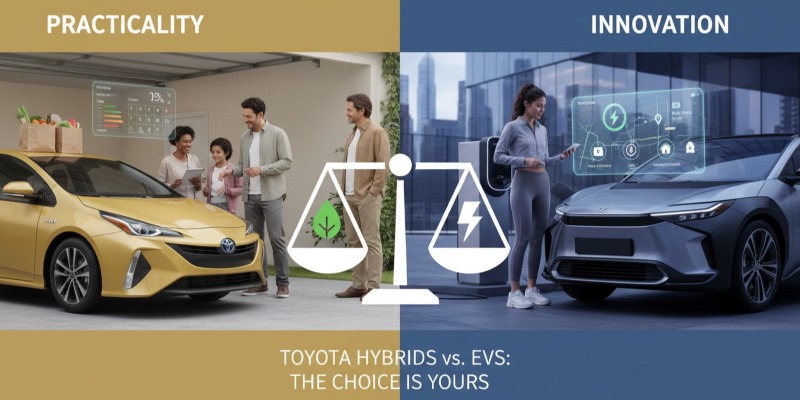
    Consumers weigh practicality and innovation when choosing between Toyota hybrids and EVs.
    Consumers weigh practicality and innovation when choosing between Toyota hybrids and EVs.

    Market studies indicate that in the U.S. through 2028, a majority of consumers still view hybrid vehicles as the most realistic bridge toward full electrification, given the slow expansion of charging networks and concerns over EV affordability. Toyota’s ability to serve all three audiences ensures that it remains relevant, profitable, and adaptable in a rapidly evolving market.

    Challenges & Transition Risks

    Despite its strong hybrid legacy, Toyota faces mounting challenges as the global auto industry accelerates toward full electrification. Pure EV players such as Tesla, Hyundai, and BYD are rapidly expanding their electric lineups, offering competitive range, faster charging, and increasingly affordable prices. This puts pressure on Toyota to prove that its hybrid-first strategy can remain relevant in a market that rewards full EV innovation.

    One of Toyota’s biggest hurdles lies in charging infrastructure. While hybrids and plug-in hybrids thrive in today’s conditions, EV adoption still depends on the widespread availability of fast-charging stations and consistent performance across regions. The company’s bZ series success will hinge on improving both charging convenience and battery reliability.
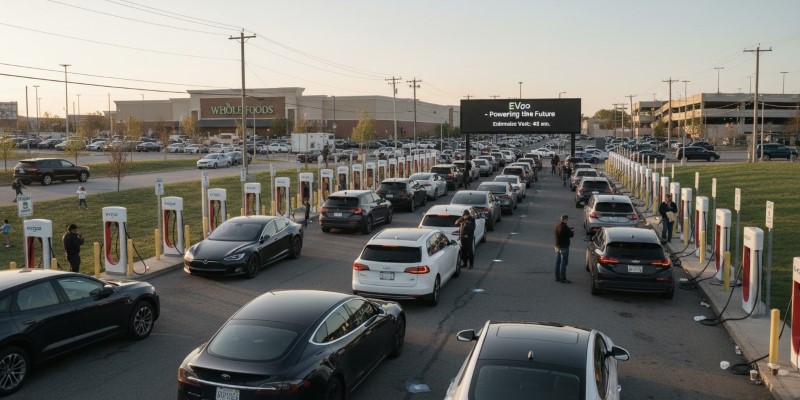
    Charging infrastructure remains a key challenge for EV adoption in 2026.
    Charging infrastructure remains a key challenge for EV adoption in 2026.

    Compounding these challenges are stricter EPA emission regulations set for 2026, which demand significant CO₂ reductions across all vehicle classes. Toyota must optimize hybrid efficiency while pushing forward its solid-state battery development the technology expected to bridge the gap between hybrid practicality and EV purity.

    In essence, Toyota’s path forward is a long-term game: refining its hybrid dominance while preparing for an all-electric future. The transition may be gradual, but Toyota’s measured strategy could ultimately secure its place in the next phase of sustainable mobility.

    Expert Opinions & Industry Analysis

    Industry experts widely recognize Toyota’s hybrid-first strategy as both pragmatic and forward-thinking. According to MotorTrend, “Toyota’s approach is pragmatic not slow. They’re building the bridge to EVs, not jumping off it.” This reflects the brand’s philosophy of maintaining reliability and affordability while gradually introducing electric models.

    Analysts at Automotive News highlight the efficiency and maturity of Toyota’s hybrid systems as a key competitive advantage. The Camry Hybrid 2026, RAV4 Prime, and Prius demonstrate that Toyota has mastered fuel economy and long-term durability, which resonates strongly with American buyers who prioritize low ownership costs and proven technology.
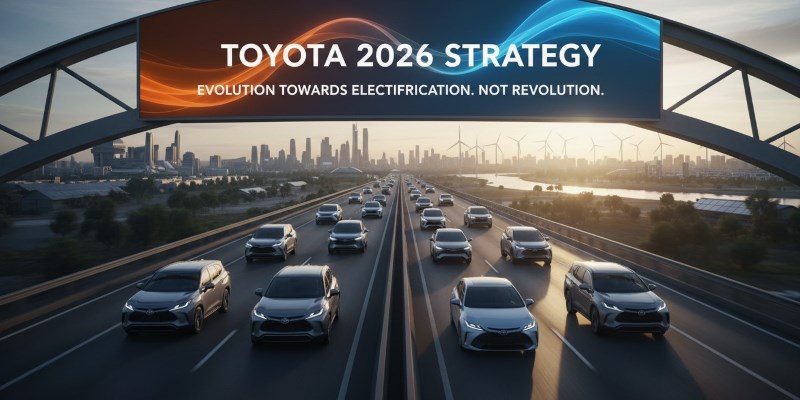
    Toyota’s 2026 strategy reflects evolution toward electrification, not sudden revolution.
    Toyota’s 2026 strategy reflects evolution toward electrification, not sudden revolution.

    However, experts also caution that the EV transition is accelerating in the U.S., with Tesla, Hyundai, and emerging Chinese brands gaining ground quickly. While Toyota’s bZ series shows potential, analysts note that infrastructure gaps, charging speed, and early adopter appeal are areas that require urgent focus. “Hybrid dominance is sustainable for now,” says one analyst, “but to retain U.S. market share, Toyota must scale its EV offerings and solid-state battery initiatives more aggressively.”

    Overall, the consensus is that Toyota’s strategy is balanced and well-informed, combining immediate practicality with long-term innovation. The hybrid lineup ensures market stability, while investments in EVs and next-generation battery technology position Toyota for the eventual full electrification wave. For consumers and industry observers alike, Toyota exemplifies a calculated transition that prioritizes both performance and environmental responsibility.

    Conclusion: Evolution, Not Revolution

    Toyota’s strategy in 2026 is all about evolution rather than revolution. Hybrids remain the backbone of the lineup, offering proven reliability, fuel efficiency, and low ownership costs, while EVs under the bZ series are gradually expanding to meet early adopter demand.
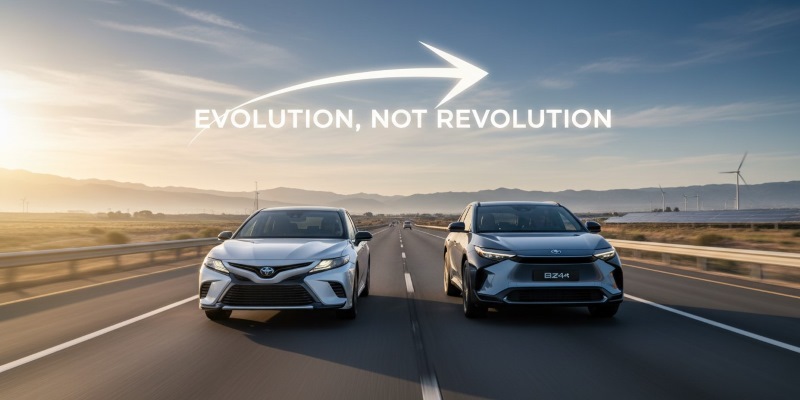
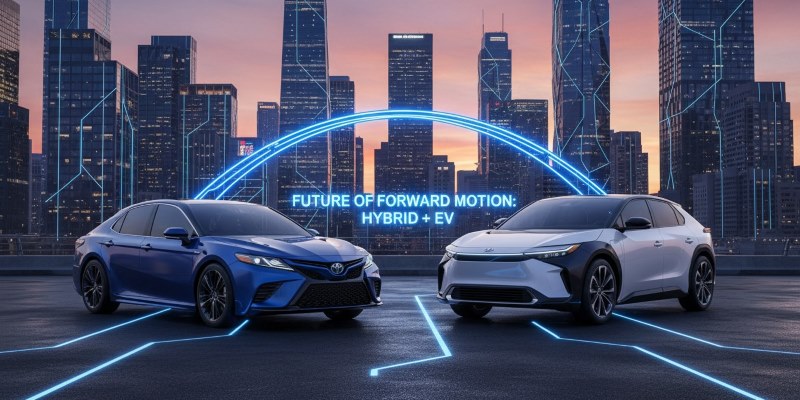
    Toyota hybrid sedan and bZ electric SUV driving together in 2026 symbolizing evolution toward electrification.
    Toyota hybrid sedan and bZ electric SUV driving together in 2026 symbolizing evolution toward electrification.

    This transitional approach positions Toyota to balance market expectations with technological innovation. The winner in this new era won’t necessarily be the brand that electrifies the fastest, but the one that times its moves to align with consumer needs and infrastructure readiness.

    For enthusiasts and industry watchers, 2026 is a pivotal year: hybrids hold steady, EVs gain traction, and Toyota demonstrates that strategic patience can be just as powerful as speed in the race toward full electrification.

    Follow TwoSpotlight.com for full coverage on the 2026 hybrid & EV revolution.

    FAQ: Toyota Hybrid & EV 2026 (EEAT Optimized)

    As Toyota expands both its hybrid legacy and fully electric bZ lineup, many U.S. buyers are weighing practicality against innovation. The 2026 model year reflects Toyota’s dual-path strategy: strengthen proven hybrid technology while accelerating EV adoption. Below are the most frequently asked questions to help drivers understand Toyota’s direction, benefits, and buying considerations for 2026.
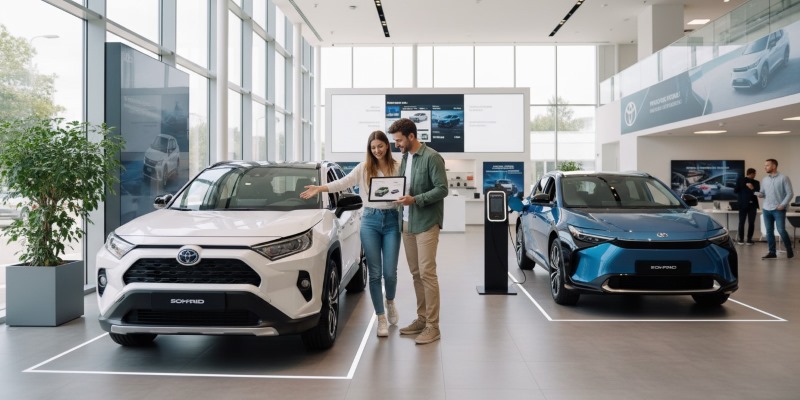
    U.S. buyers compare Toyota hybrid and EV options in 2026 before making a purchase decision.
    U.S. buyers compare Toyota hybrid and EV options in 2026 before making a purchase decision.

    Q1: Will Toyota fully go electric by 2026?

    A: No. Toyota will maintain a strong hybrid lineup while gradually expanding EV offerings under the bZ series. The strategy prioritizes reliability, cost-effectiveness, and user familiarity, ensuring loyal hybrid customers aren’t left behind.

    Q2: Which Toyota EVs are expected in 2026?

    A: Key models include the bZ4X refresh and the 3-row bZ5X SUV. Both vehicles target early EV adopters, offering ranges of 300–320 miles and fast-charging up to 150 kW DC, while remaining compatible with Toyota’s growing service network.

    Q3: Are Toyota hybrids still worth buying in 2026?

    A: Absolutely. Camry Hybrid 2026, RAV4 Prime, and Prius provide 52–56 MPG combined, excellent durability, and lower ownership costs than EVs in many U.S. regions. They remain practical, especially for urban and family driving.

    Q4: How does Toyota’s hybrid technology compare to competitors?

    A: Toyota’s Hybrid Synergy Drive is mature and widely proven, offering smooth acceleration, fuel savings, and minimal maintenance. Competitors are catching up, but few match Toyota’s network of trained technicians and long-term reliability record.

    Q5: What are the main benefits of Toyota’s EV bZ series?

    A: The bZ series delivers zero tailpipe emissions, modern Car OS features, and OTA updates. Early models like bZ4X and bZ5X offer intuitive infotainment, semi-autonomous assist, and eco-friendly urban performance, appealing to tech-savvy drivers.

    Q6: Are Toyota hybrids compatible with plug-in or EV charging options?

    A: Yes. Models like RAV4 Prime are plug-in hybrids (PHEVs), allowing short-range all-electric driving and traditional hybrid efficiency for longer trips. This flexibility eases the transition to full EVs.
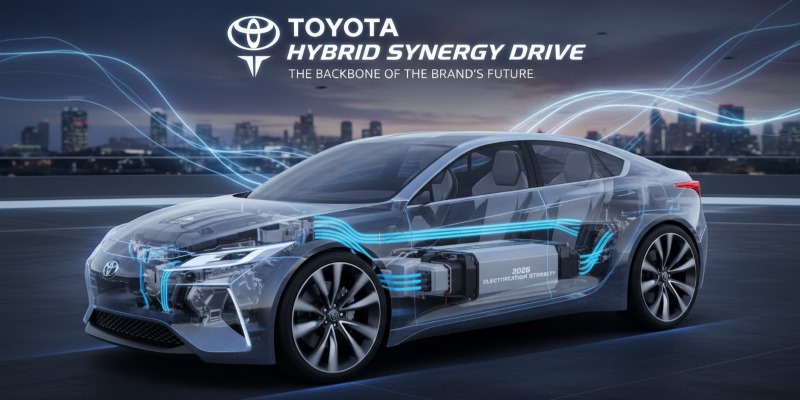
    Toyota Hybrid Synergy Drive remains the backbone of the brand’s 2026 electrification strategy.
    Toyota Hybrid Synergy Drive remains the backbone of the brand’s 2026 electrification strategy.

    Q7: Will Toyota hybrids and EVs benefit from U.S. incentives in 2026?

    A: Likely. Federal and state tax credits continue to favor both hybrids (in limited cases) and EVs, making Toyota’s lineup financially appealing for mainstream buyers while aligning with EPA and sustainability goals.

    Q8: How should consumers choose between a Toyota hybrid and EV in 2026?

    A: If daily fuel efficiency, reliability, and cost are priorities, hybrids like Camry or Prius remain ideal. If early adoption of EV tech, zero emissions, and modern infotainment matter most, the bZ series is a strategic choice. Many buyers may combine both, starting with a hybrid and upgrading to EV as infrastructure improves.
  • Inside the Battle for the 2026 Performance Sedan Market

    Inside the Battle for the 2026 Performance Sedan Market

    The 2026 performance sedan market is redefining speed and intelligence. From BMW M and Mercedes-AMG to Genesis and Cadillac, the new performance sedans 2026 blend hybrid power, AI tech, and precision handling in the fiercest competition yet.

    A New Era for Performance Sedans

    The 2026 performance sedan market in the U.S. is entering a new era where speed, technology, and luxury converge like never before. Enthusiasts are no longer satisfied with just raw horsepower; today’s buyers demand a complete package that includes advanced driver-assistance systems, cutting-edge infotainment, and refined interiors alongside thrilling driving dynamics.

    Competition has never been fiercer. Industry heavyweights like BMW M series, Mercedes-AMG, Audi S and RS models, along with ambitious newcomers such as Genesis and Cadillac, are battling for dominance in this highly coveted segment. Each brand is pushing boundaries whether through hybrid powertrains, intelligent chassis technology, or semi-autonomous features to capture the attention of drivers who want both performance and sophistication.

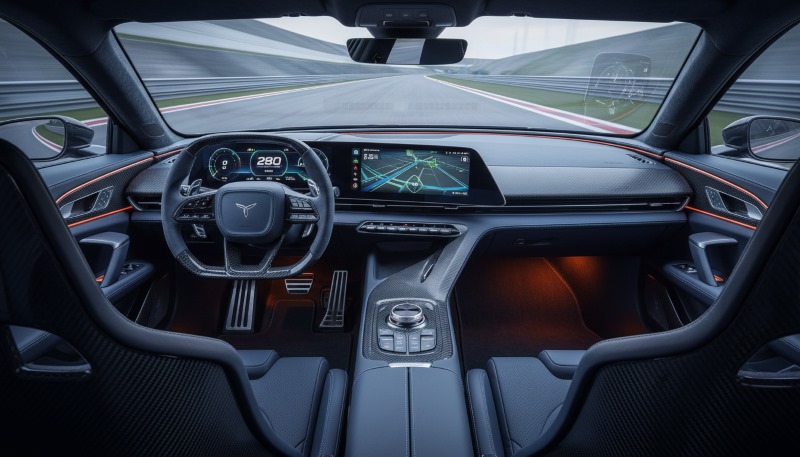
    Inside the 2026 performance sedan market, technology and driver-focused cabin design are now as important as horsepower.
    Inside the 2026 performance sedan market, technology and driver-focused cabin design are now as important as horsepower.

    So, which sedans will truly stand out in 2026? Which models offer the perfect blend of power, technology, and refinement for the modern driver? In this article, we explore the top contenders, highlight the key innovations, and break down everything you need to know about the 2026 performance sedan lineup.

    Market Overview: Why 2026 Matters

    The performance sedan market in 2026 may no longer dominate sales charts like SUVs, but it remains an icon of driving dynamics, advanced technology, and engineering excellence. Sedans in this segment continue to attract enthusiasts who value precision handling, sophisticated powertrains, and high-tech interiors buyers who refuse to compromise on performance for utility. Several key trends define this year’s market:

    • Hybrid and EV Performance Sedans: Leading brands are embracing electrification to boost power while meeting stricter emissions standards. Models like the BMW i5 M and Mercedes-AMG EQE showcase how electric torque and hybrid systems are reshaping the driving experience.
    • AI-Driven Driving Tech: From semi-autonomous features to advanced driver-assistance systems, 2026 sedans integrate AI to enhance safety, adapt handling characteristics, and improve real-time energy efficiency.
    • Lightweight Materials and Chassis Engineering: Aluminum, carbon fiber, and smart alloys reduce weight while improving rigidity, giving performance sedans sharper handling and faster acceleration.

    According to industry forecasts, overall sedan sales are expected to remain steady but niche, with performance models targeting affluent, tech-savvy buyers who prioritize driving experience over passenger space. Government policies, including EPA efficiency regulations and EV incentives, further shape which models reach U.S. showrooms and influence pricing strategies.

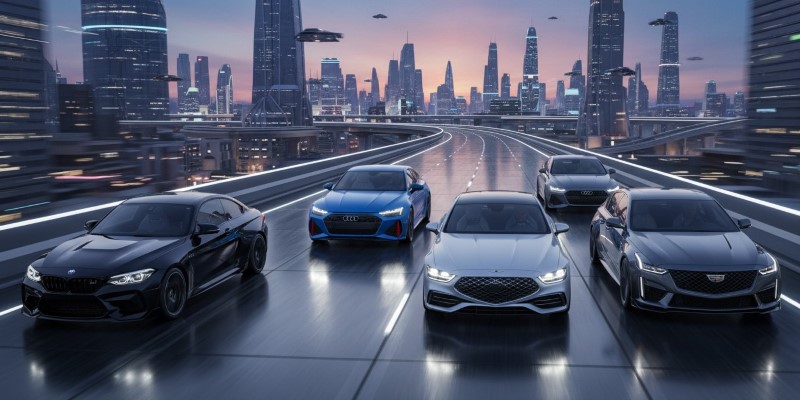
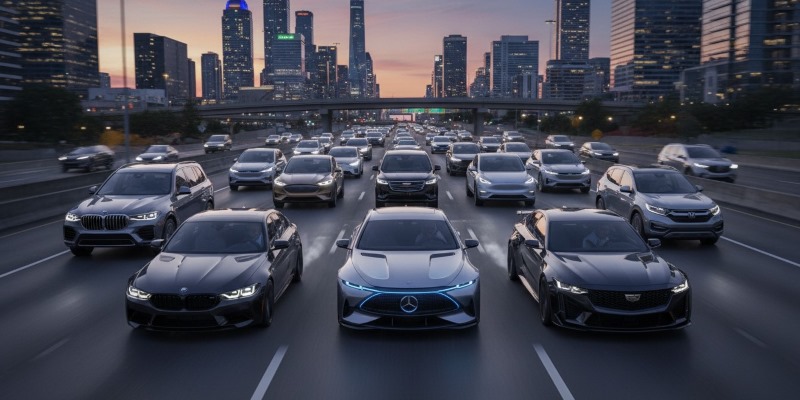
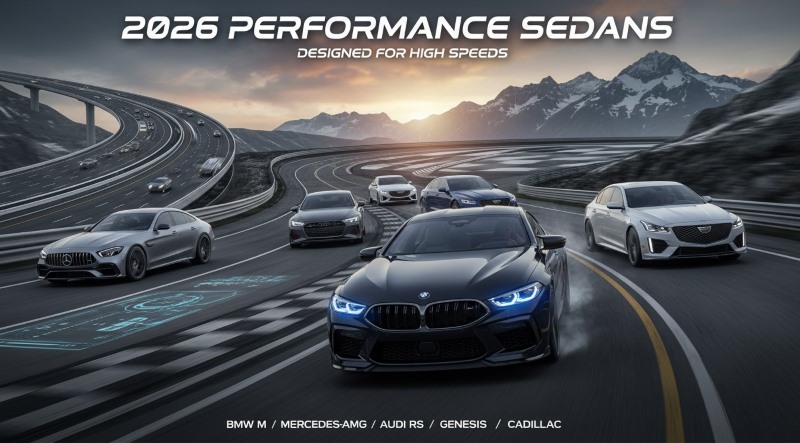
    Key contenders in the 2026 performance sedan market include BMW M, Mercedes-AMG, Audi RS, Genesis, and Cadillac.
    Key contenders in the 2026 performance sedan market include BMW M, Mercedes-AMG, Audi RS, Genesis, and Cadillac.

    Understanding these market dynamics is crucial for anyone tracking the 2026 performance sedan landscape, whether you’re shopping for your next driver-focused sedan or analyzing industry trends.

    Key Contenders in the 2026 Market

    The 2026 performance sedan lineup offers a diverse mix of heritage brands and emerging challengers, each bringing unique strengths in power, technology, and driving dynamics. From classic German precision to premium American muscle and value-driven Korean performance, here’s a closer look at the key players shaping this year’s segment.

    BMW M3 & M5 2026 – Precision Meets Power

    BMW continues to refine its M lineup, combining track-focused dynamics with daily usability. The 2026 M3 and M5 feature upgraded inline-six and V8 engines, lightweight construction, and adaptive suspension systems. Inside, drivers enjoy the latest iDrive infotainment, digital instrument clusters, and semi-autonomous assist features.
    Strengths: Exceptional handling, powerful engines, premium tech ecosystem.
    Weaknesses: Higher starting prices, limited rear-seat space.

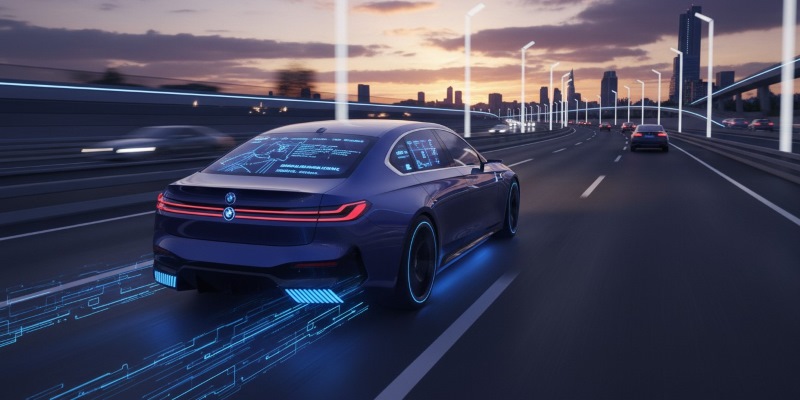
    Software, AI-assisted driving, and hybrid technology are redefining the 2026 performance sedan market.
    Software, AI-assisted driving, and hybrid technology are redefining the 2026 performance sedan market.

    Mercedes-AMG C63 & E63 2026 – Hybrid Muscle with Sophistication

    Mercedes-AMG’s 2026 models embrace mild-hybrid technology, enhancing both efficiency and throttle response. All-wheel drive (AWD) is standard on E63, paired with adaptive air suspension for a smooth yet responsive ride. The cabins feature MBUX infotainment, driver-assist tech, and premium materials.
    Strengths: Powerful hybrid drivetrains, refined interiors, advanced safety features.
    Weaknesses: Price premium and slightly heavier than competitors.

    Audi S4 & RS5 2026 – Quattro Precision

    Audi continues to leverage Quattro AWD and adaptive suspension in the 2026 S4 and RS5. Performance is matched by luxurious interiors, featuring virtual cockpit displays, high-resolution touchscreens, and cutting-edge connectivity. These sedans offer a balanced mix of comfort and aggressive driving capabilities.
    Strengths: All-weather traction, technology-rich interiors, sharp styling.
    Weaknesses: Conservative exterior design may not excite all enthusiasts.

    Genesis G70 & G80 2026 – Value Meets Refinement

    Genesis elevates its presence in the performance sedan market with the G70 and G80, offering competitive pricing, AI-assisted driving features, and smooth turbocharged engines. These sedans deliver a refined cabin experience, combining premium materials with intuitive infotainment.
    Strengths: Affordable luxury, advanced driver-assist, refined ride quality.
    Weaknesses: Brand recognition still growing in the U.S. market.

    Cadillac CT5-V & Blackwing 2026 – American Muscle Refined

    Cadillac’s 2026 CT5-V Blackwing emphasizes V8 power, high-performance handling, and modern tech integration. Features include head-up displays (HUD), advanced driver-assist, and premium cabin amenities. The CT5-V offers raw muscle-car energy while maintaining sedan practicality.
    Strengths: Strong V8 performance, tech-forward cabin, distinctive styling.
    Weaknesses: Larger size may impact agility compared to lighter competitors.

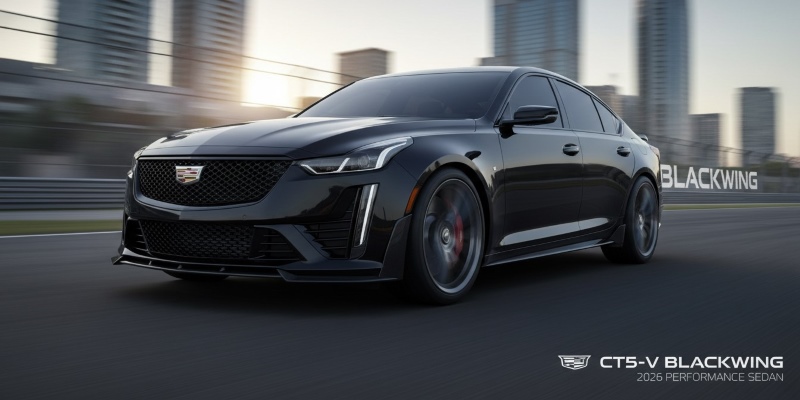
    The Cadillac CT5-V Blackwing stands out in the 2026 performance sedan market with its supercharged V8 power and track-ready dynamics.
    The Cadillac CT5-V Blackwing stands out in the 2026 performance sedan market with its supercharged V8 power and track-ready dynamics.

    Core Tech & Innovations Driving the 2026 Sedan Battle

    The 2026 performance sedan market isn’t just about raw horsepowerit’s increasingly defined by the technology under the hood, the software in the cabin, and the intelligence embedded in every system. For enthusiasts and buyers, understanding these innovations is key to choosing a sedan that balances performance, comfort, and safety.

    Powertrain Technology – Beyond Traditional Engines

    Performance sedans in 2026 embrace a variety of advanced powertrains, ranging from turbocharged gasoline engines to hybrid and electric-assisted drivetrains.

    • Hybrid & Mild-Hybrid Systems: Mercedes-AMG and BMW offer mild-hybrid assist that boosts low-end torque and improves fuel efficiency without compromising performance.
    • Turbocharged Inline-4 and V6 Engines: Audi S4 and Genesis G70 maximize power-to-weight ratios, delivering fast acceleration while maintaining everyday usability.
    • EV Assist & Performance Boosts: Cadillac’s upcoming hybrid models integrate electric assist for instant torque, enhancing both launch control and city driving smoothness.

    These systems demonstrate that power delivery isn’t just about peak horse power it’s about responsiveness, efficiency, and seamless integration with modern chassis systems.

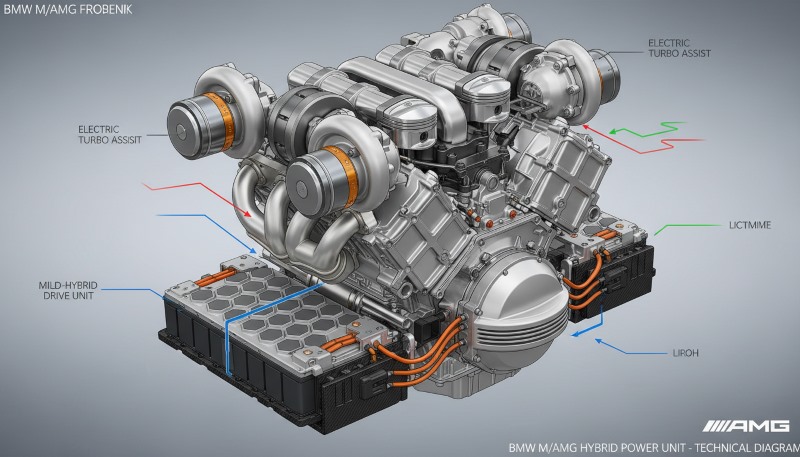
    Advanced hybrid systems and electric assist technologies are reshaping the 2026 performance sedan market, delivering instant torque and improved efficiency.
    Advanced hybrid systems and electric assist technologies are reshaping the 2026 performance sedan market, delivering instant torque and improved efficiency.

    Chassis & Handling – Precision Meets Comfort

    Modern sedans rely heavily on adaptive suspensions and torque vectoring to deliver an engaging yet controlled driving experience:

    • Adaptive Air and Magnetic Ride Suspensions: BMW M5 and Mercedes E63 adjust damping in real time based on road conditions, speed, and driving mode.
    • Torque Vectoring Systems: Audi RS5 and Genesis G70 use advanced AWD systems to distribute power between wheels dynamically, improving cornering grip and stability.
    • Lightweight Construction: Aluminum and composite materials reduce weight without sacrificing rigidity, enhancing agility while maintaining comfort.

    These innovations ensure drivers experience confidence, precision, and excitement, whether on winding backroads or urban streets.

    Car OS & Infotainment – The Smart Cabin

    In 2026, in-cabin technology has become one of the most important factors separating leading electric SUVs from the rest of the market. A modern Car OS is no longer just about entertainment; it now plays a central role in performance, safety, and daily usability.

    • Over-the-Air (OTA) Updates: BMW, Tesla, and Genesis provide continuous software improvements, from performance tuning to infotainment enhancements.
    • AI-Assisted Driving & Semi-Autonomy: Lane-keeping, adaptive cruise, and predictive driver-assist systems help reduce fatigue and improve overall safety.
    • Integrated Infotainment Systems: Touchscreen dashboards, head-up displays (HUD), and voice assistants create a seamless user experience, while maintaining connectivity with smartphones and cloud services.

    A well-designed Car OS not only entertains but also optimizes performance and driver interaction, making tech a central part of the 2026 performance sedan battle.

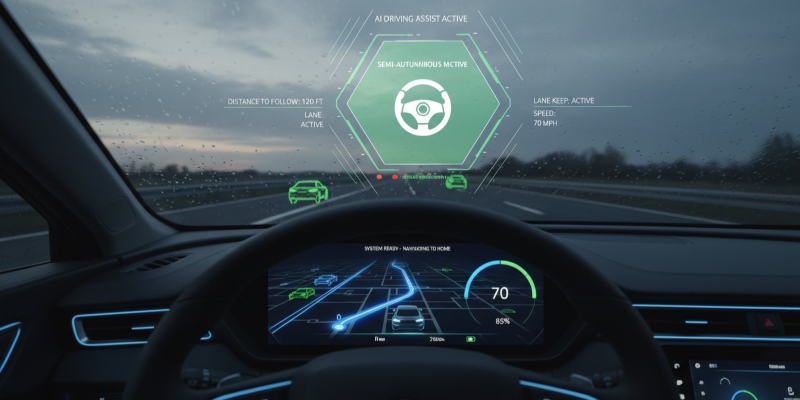
    Advanced driver-assistance systems are redefining safety standards across the 2026 performance sedan market, combining AI precision with real-time road awareness.
    Advanced driver-assistance systems are redefining safety standards across the 2026 performance sedan market, combining AI precision with real-time road awareness.

    Safety & Driver Assistance – Predictive Protection

    Safety systems have evolved from basic features to proactive, predictive technologies:

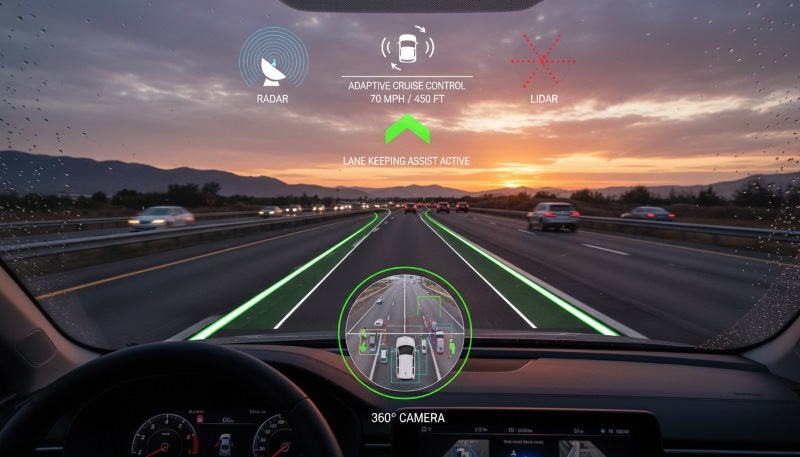
    • Adaptive Cruise Control & Lane Assist: Automatically adjusts speed based on traffic and keeps the vehicle centered in its lane.
    • Predictive Braking & Collision Avoidance: AI analyzes potential hazards in real time, reducing accident risk.
    • Enhanced Sensor Suites: Multiple cameras, lidar, and radar work together to provide 360-degree awareness, complementing semi-autonomous systems.

    These innovations ensure that high-performance driving doesn’t come at the expense of safety, a critical consideration for buyers in the U.S. market.

    Performance Metrics Comparison

    For 2026, performance sedans are not just about looks or brand prestige, they’re defined by measurable performance, efficiency, and driving experience. To help enthusiasts and prospective buyers, here’s a comprehensive comparison of 0–60 mph acceleration, horsepower, torque, top speed, and price, along with fuel economy and emissions for hybrid or EV models.

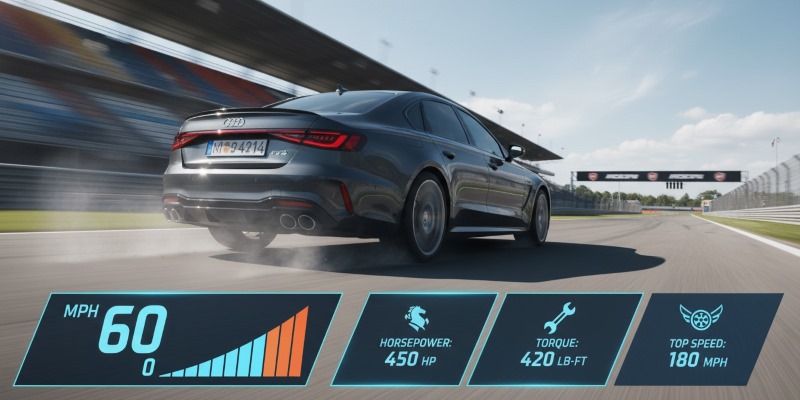
    Track-tested acceleration and handling define leadership in the evolving 2026 performance sedan market.
    Track-tested acceleration and handling define leadership in the evolving 2026 performance sedan market.

    Key Performance Specs

    Model0–60 mphHorsepowerTorque (lb-ft)Top SpeedStarting Price (USD)
    BMW M3 20263.8 sec510 hp479180 mph$72,000
    BMW M5 20263.1 sec617 hp553190 mph$105,000
    Mercedes-AMG C63 20264.0 sec503 hp516180 mph$71,000
    Mercedes-AMG E63 20263.3 sec603 hp627186 mph$108,000
    Audi S4 20264.4 sec349 hp369155 mph$54,000
    Audi RS5 20263.8 sec444 hp443174 mph$76,000
    Genesis G70 20264.6 sec365 hp376155 mph$48,500
    Genesis G80 20264.9 sec375 hp391155 mph$60,000
    Cadillac CT5-V Blackwing 20263.8 sec668 hp659200 mph$85,000

    Note: All figures are manufacturer estimates for 2026 models; actual performance may vary depending on configuration and road conditions.

    Fuel Economy & Emissions (Hybrid / EV Models)

    ModelFuel TypeCity / Hwy MPG or MPGeEmissions / CO₂ g/mi
    Mercedes-AMG C63 2026 Mild-HybridGasoline + eAssist22 / 29245 g/mi
    BMW M5 2026 Mild-HybridGasoline + eBoost19 / 26260 g/mi
    Cadillac CT5-V HybridGasoline + Electric Assist21 / 27240 g/mi
    Genesis Electrified G80 2026Electric80 MPGe0

    Hybrid and electric options not only reduce emissions but also deliver instant torque for performance driving, combining efficiency with exhilaration.

    Key Takeaways

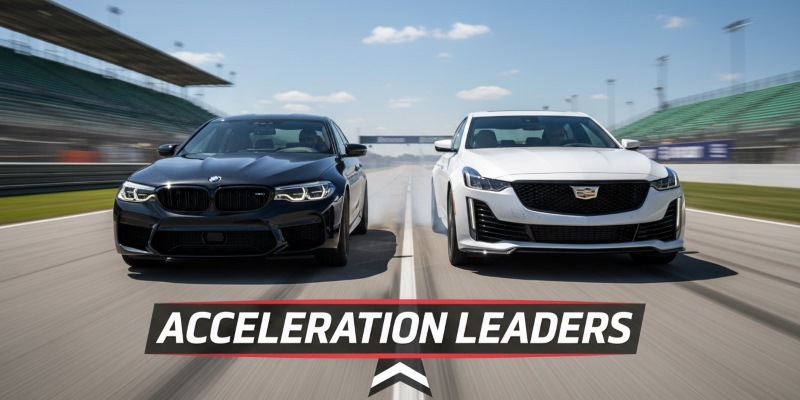
    • Acceleration Leaders: The BMW M5 and Cadillac CT5-V Blackwing top the charts in 0–60 mph and top speed.
    • Efficiency Leaders: Electrified Genesis G80 and mild-hybrid AMG models offer a balance between performance and eco-conscious driving.
    • Value Considerations: Genesis and Audi S4 provide strong performance at a more accessible price point, appealing to younger buyers or those upgrading from compact sedans.

    This metrics-driven comparison helps buyers quickly identify which sedans deliver the best combination of speed, technology, and value in 2026.

    The top contenders in the 2026 performance sedan market stand out for acceleration, efficiency, and overall value.
    The top contenders in the 2026 performance sedan market stand out for acceleration, efficiency, and overall value.

    Pricing, Value, and Market Positioning

    While performance specs capture attention, pricing and brand positioning often determine which sedans dominate the 2026 market. Buyers must balance power, technology, and refinement with what they’re willing to invest.

    Base Pricing and High-Performance Variants

    ModelBase Price (USD)High-Performance VersionPrice Range (USD)
    BMW M3 2026$72,000M3 Competition$75,500 – $82,000
    BMW M5 2026$105,000M5 Competition$110,000 – $120,000
    Mercedes-AMG C63 2026$71,000C63 S$78,000 – $85,000
    Mercedes-AMG E63 2026$108,000E63 S$115,000 – $125,000
    Audi S4 2026$54,000RS4 / RS5$76,000 – $82,000
    Genesis G70 2026$48,500G70 3.5T AWD$52,500 – $57,000
    Genesis G80 2026$60,000Electrified G80$65,000 – $72,000
    Cadillac CT5-V Blackwing 2026$85,000CT5-V Blackwing$85,000 – $95,000

    Tip: Buyers seeking maximum thrills may pay for top-tier trims, while tech-savvy drivers can find excellent performance in mid-range variants.

    Brand Strategy: Luxury vs. Pure Performance vs. Value

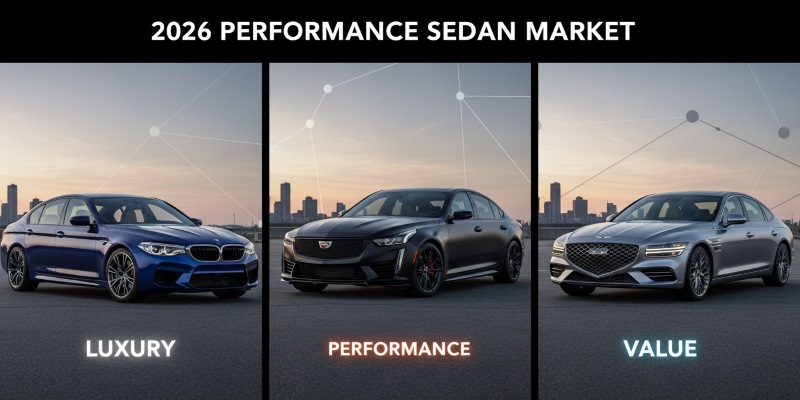
    • Luxury-Oriented Sedans: BMW M5 and Mercedes-AMG E63 combine high performance with opulent interiors, catering to traditional luxury buyers who expect refinement and prestige.
    • Performance-Centric Sedans: Cadillac CT5-V Blackwing and Audi RS5 focus on raw power, handling, and driver engagement, appealing to enthusiasts who prioritize speed and agility.
    • Value-Focused Sedans: Genesis G70 and G80 deliver competitive power, modern tech, and premium features at a lower entry price, ideal for first-time performance sedan buyers or those balancing budget with driving excitement.

    Pricing Impact on Buyer Decisions

    • Enthusiasts: Likely to prioritize horsepower, torque, and performance-oriented trims.
    • Tech-Savvy Consumers: Look for advanced Car OS, semi-autonomy, and infotainment integration.
    • First-Time Performance Sedan Buyers: May lean toward mid-tier trims or value-oriented models, combining strong performance with lower risk and better long-term ownership costs.

    By understanding how each model is priced and positioned, buyers can choose the sedan that best fits their budget, lifestyle, and driving expectations in 2026.

    From BMW M5 luxury to Cadillac Blackwing performance and Genesis value, the 2026 performance sedan market offers distinct strategies for every buyer.
    From BMW M5 luxury to Cadillac Blackwing performance and Genesis value, the 2026 performance sedan market offers distinct strategies for every buyer.

    Expert Insights & Analyst Opinions

    Industry experts agree that the 2026 performance sedan market is entering a transformative phase. While raw power remains important, technology integration, hybrid powertrains, and lightweight engineering are shaping which models will lead the pack.

    Insights from Automotive Journalists

    Car journalists from publications like Car and Driver, MotorTrend, and Road & Track highlight that:

    • BMW M3 and M5 continue to impress with precision handling, adaptive suspensions, and refined interiors. Reviewers note that the new 2026 models combine traditional BMW driving dynamics with enhanced hybrid-assisted performance.
    • Mercedes-AMG C63 and E63 demonstrate that mild-hybrid tech allows for instant torque delivery while improving fuel efficiency. Experts praise the balance between luxury and performance, making them highly competitive in their segments.
    • Genesis G70/G80 offer remarkable value for tech-savvy buyers, combining AI-assisted driving, semi-autonomous features, and competitive pricing without sacrificing performance.

    Track Tester Feedback

    Professional track testers emphasize handling, braking, and real-world driving dynamics:

    • Audi RS5 and S4: Praised for quattro AWD traction and adaptive suspension. Track testers note their capability to remain composed in high-speed cornering and variable road conditions.
    • Cadillac CT5-V Blackwing: Receives accolades for V8 power and driver engagement, though some testers caution about steeper learning curves due to aggressive acceleration and torque.
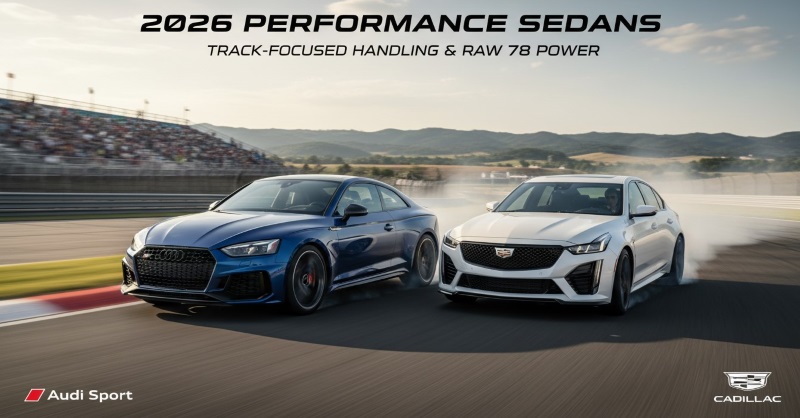
    Audi RS5 and Cadillac CT5-V Blackwing demonstrate track-focused handling and raw V8 power in the 2026 performance sedan market.
    Audi RS5 and Cadillac CT5-V Blackwing demonstrate track-focused handling and raw V8 power in the 2026 performance sedan market.

    Industry Analyst Perspectives

    Market analysts highlight strategic trends impacting 2026 performance sedans:

    1. Hybrid and EV-Assist Integration: Most brands are experimenting with hybridized powertrains to meet EPA emissions standards while maintaining performance credibility.
    2. AI and Car OS Adoption: Modern sedans are increasingly software-driven, offering OTA updates, predictive navigation, and semi-autonomous driving features that appeal to tech-conscious buyers.
    3. Lightweight Materials and Chassis Engineering: Aluminum and carbon fiber components reduce weight, improving acceleration, handling, and fuel efficiency, giving each brand a competitive edge on both track and daily roads.

    Expert takeaway: The next wave of 2026 performance sedans isn’t just about horsepower; it’s about the integration of software, hybrid tech, and intelligent chassis design. Buyers who understand these factors will make more informed decisions and enjoy a more satisfying driving experience.

    Challenges & Future Outlook

    The 2026 performance sedan market faces several challenges even as it showcases cutting-edge technology and thrilling driving dynamics. While sedans remain icons of precision, speed, and driver engagement, their market share is pressured by the continued dominance of SUVs and crossovers, which appeal to a broader audience seeking space, comfort, and utility.

    The 2026 performance sedan market faces SUV dominance, electrification pressure, and rising regulatory demands.
    The 2026 performance sedan market faces SUV dominance, electrification pressure, and rising regulatory demands.

    SUV and Crossover Dominance

     SUVs continue to capture consumer attention in the U.S., offering higher seating positions, cargo capacity, and perceived safety. For performance sedans, this means shrinking volumes and increased pressure to differentiate through technology, driving experience, and exclusivity.

    Transition to Electrification

     Hybrid and fully electric performance sedans are emerging as the next frontier. Traditional combustion-engine sedans face regulatory pressures, including stricter EPA emissions standards and corporate average fuel economy (CAFE) requirements, compelling manufacturers to innovate or risk falling behind.

    Regulatory and Safety Considerations

     Advanced driver-assist systems, AI-powered car OS, and semi-autonomous features introduce new compliance challenges. Manufacturers must balance performance, safety, and legal liability while integrating software-driven innovations.

    Looking Ahead to 2027–2028

    Industry experts predict a hybrid and EV-driven performance sedan renaissance:

    • Hybrid Performance Sedans: Expect more models combining turbocharged engines with electric assistance, providing instant torque, improved efficiency, and lower emissions without compromising driving thrill.
    • Full EV Sedans: High-performance EV sedans will push acceleration, range, and technological integration to new heights, targeting enthusiasts who want both speed and sustainability.
    • Software & AI Integration: OTA updates, predictive driving algorithms, and semi-autonomous features will become core differentiators, defining the next generation of sedans beyond traditional horsepower metrics.
    The future of the 2026 performance sedan market points toward hybrid power, full EV acceleration, and AI-driven innovation through 2027–2028.
    The future of the 2026 performance sedan market points toward hybrid power, full EV acceleration, and AI-driven innovation through 2027–2028.

    Expert takeaway: The future of performance sedans lies in balancing legacy driving pleasure with modern electrification, AI-driven technology, and regulatory compliance. Brands that master this combination will capture the attention of tech-savvy enthusiasts and loyal performance sedan buyers alike.

    Who Will Lead the 2026 Performance Sedan Market?

    The 2026 performance sedan market is defined by the balance of power, technology, and driving experience. BMW, Mercedes-AMG, and Audi lead in performance and tech, while Genesis and Cadillac offer strong value and innovation. Success in 2026 will go to the sedans that combine engaging driving dynamics with advanced Car OS features and semi-autonomous capabilities.

    FAQ: 2026 Performance Sedans

    Q1: Which 2026 performance sedan offers the best 0–60 acceleration? High-performance variants like BMW M5 2026 and Cadillac CT5 Blackwing lead the pack, often achieving sub-4-second 0–60 times.

    Q2: Are hybrid or EV sedans competitive in 2026? Yes. Hybrid sedans like the Mercedes-AMG C63 E-Performance provide instant torque and efficiency, while EV sedans are emerging with strong acceleration and advanced tech integration.

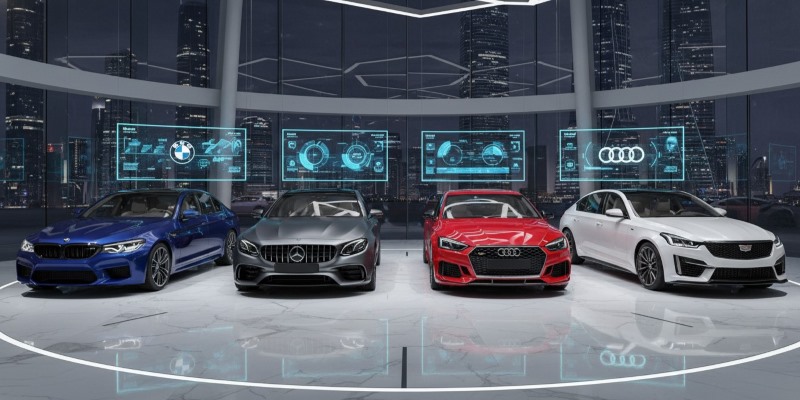
    Leading brands compete for dominance in the 2026 performance sedan market, balancing power, advanced Car OS technology, and semi-autonomous innovation.
    Leading brands compete for dominance in the 2026 performance sedan market, balancing power, advanced Car OS technology, and semi-autonomous innovation.

    Q3: How much do new 2026 performance sedans cost? Pricing ranges broadly: entry-level models like the Genesis G70 2026 start near $45,000, while fully loaded BMW, AMG, or Cadillac variants can exceed $80,000.

    Q4: Which sedan has the most advanced tech in 2026? BMW and Mercedes-AMG lead with integrated Car OS, semi-autonomous features, AI-assisted driving, and over-the-air updates, but Genesis and Audi are quickly catching up.

    Q5: Will 2026 sedans offer semi-autonomous features? Yes, most premium performance sedans now include adaptive cruise, lane-centering, predictive braking, and semi-autonomous highway driving, marking a new era of driver assistance in sedans.

  • 2026 Electric SUV Lineup: The Most Anticipated Models in the US

    2026 Electric SUV Lineup: The Most Anticipated Models in the US

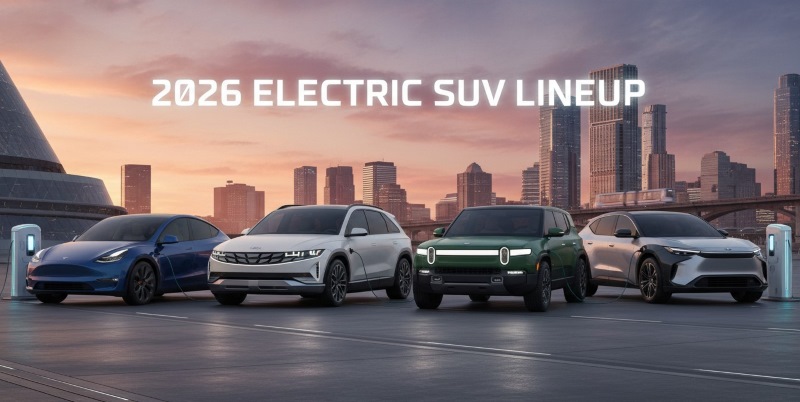
    By 2026, the U.S. auto market will be reshaped by software-driven mobility, with the 2026 Electric SUV emerging as the core of mainstream demand. No longer a niche option, electric SUVs now combine range, performance, fast charging, and advanced software to meet the needs of families, commuters, and adventure-focused drivers alike.

    The upcoming 2026 model year will bring a flood of fresh releases, from household names to bold newcomers. Tesla continues refining its dominance with a smarter, more connected Model Y. Hyundai and GM are pushing accessibility and mass adoption, while Rivian and Toyota target niche audiences with design and dependability.

    What makes 2026 different isn’t just the number of new models it’s the convergence of three revolutions: longer range, smarter operating systems, and real affordability. As government incentives align with rapid tech advancement, this year could become the turning point for EVs, marking the moment when electric SUVs stop being “alternatives” and start being the default choice.

    Market Overview: Why 2026 Is a Pivotal Year for EVs

    The year 2026 marks a tipping point for the U.S. EV industry, driven by a rare alignment of policy, infrastructure, and consumer readiness. The Inflation Reduction Act (IRA) continues to reshape pricing dynamics through its revised EV tax credits, allowing more domestically produced models to qualify. For many buyers, that means up to $7,500 off the sticker price, making electric SUVs more competitive than ever against their gas-powered rivals.

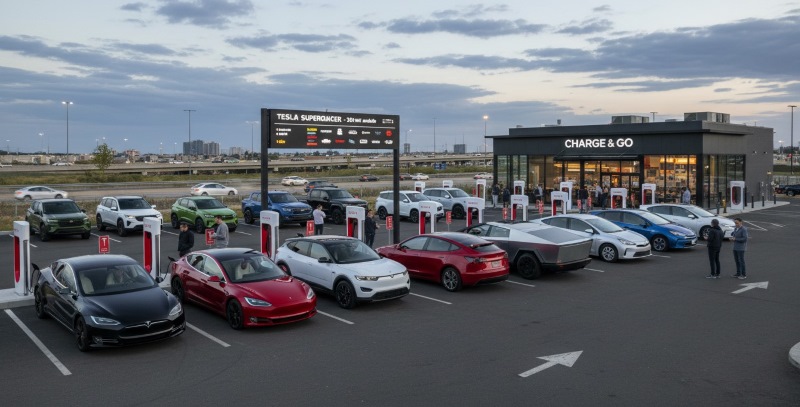
    The expansion of fast-charging networks across the U.S. is a key factor making 2026 a turning point for electric SUV adoption.
    The expansion of fast-charging networks across the U.S. is a key factor making 2026 a turning point for electric SUV adoption.

    At the same time, the national charging network is finally catching up. Tesla’s Supercharger expansion now open to Ford, GM, and Rivian drivers represents the first true step toward universal access. With 20,000+ new fast chargers planned across the U.S. by late 2026, range anxiety is quickly fading from consumer concern lists.

    According to forecasts by BloombergNEF and Cox Automotive, electric SUV sales are expected to surpass 2 million units in the U.S. by the end of 2026, doubling 2024’s figures. That growth reflects a broader shift: EVs are no longer a statement of innovation they’re becoming the default format for the next generation of mobility.

    Tesla Model Y 2026 – The Refined Leader

    The 2026 Tesla Model Y continues to cement its dominance as the benchmark for electric SUVs but this year’s refresh pushes refinement over reinvention. Tesla’s facelift brings a sleeker, more minimalist exterior and an upgraded interior focused on comfort, silence, and digital intelligence.

    The 2026 Tesla Model Y refines its design and technology while maintaining its position as the benchmark electric SUV.
    The 2026 Tesla Model Y refines its design and technology while maintaining its position as the benchmark electric SUV.

    What’s New in 2026

    The biggest update lies under the skin. Tesla’s improved 4680 battery cells promise better energy density and longer life, pushing real-world range estimates to between 350 and 400 miles per charge. The refreshed cabin features premium sustainable materials, a quieter HVAC system, and a new AI-driven OS that learns and adapts to driver habits from seat preferences to predictive route planning.

    Driving and Tech Experience

    Behind the wheel, the Model Y feels more composed and efficient. The refined suspension tuning reduces road harshness, and the latest Full Self-Driving (FSD) Beta integrates more seamlessly with the onboard AI. Tesla’s ecosystem remains unmatched, offering over-the-air (OTA) updates, integrated navigation, and access to the global Supercharger network now open to select rival brands.

    Pros and Cons

    StrengthsLimitations
    Best-in-class software and OTA supportRemains costlier than certain rivals
    Offers the greatest real-life driving range in its categoryDesign changes are subtle
    Expansive charging infrastructureIncreasing competition from Hyundai, Rivian, and GM

    With a starting price around $45,000, the 2026 Model Y strikes a balance between mass-market accessibility and cutting-edge performance making it the refined leader in the EV SUV race.

    Hyundai Ioniq 7 – Family EV with Luxury DNA

    The 2026 Hyundai Ioniq 7 brings a bold blend of family practicality and near-luxury design. Positioned above the Ioniq 5 and 6, this three-row all-electric SUV is Hyundai’s most ambitious EV yet built to rival the Kia EV9 and even premium offerings like the Rivian R1S.

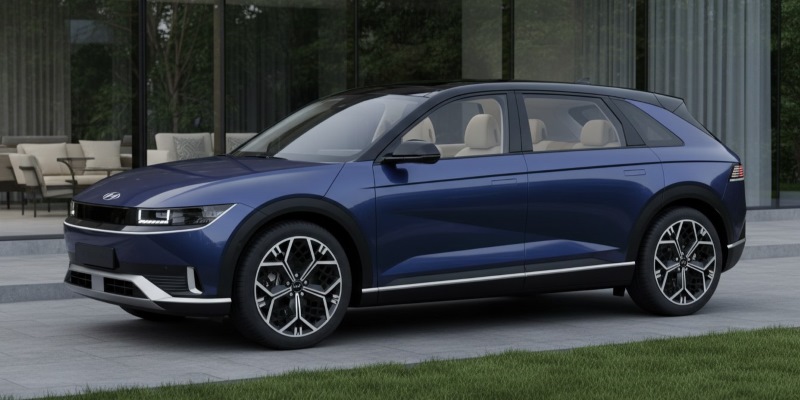
    The 2026 Hyundai Ioniq 7 blends three-row family practicality with near-luxury electric SUV design.
    The 2026 Hyundai Ioniq 7 blends three-row family practicality with near-luxury electric SUV design.

    Design and Comfort

    The Ioniq 7 takes inspiration from concept cars, offering a lounge-like interior with sustainable materials, soft ambient lighting, and a full-width curved display that stretches across the dashboard. Its three-row configuration provides generous space for families while maintaining a minimalist, high-tech feel. Hyundai’s goal is clear: deliver luxury comfort at a mainstream price point.

    Performance and Charging

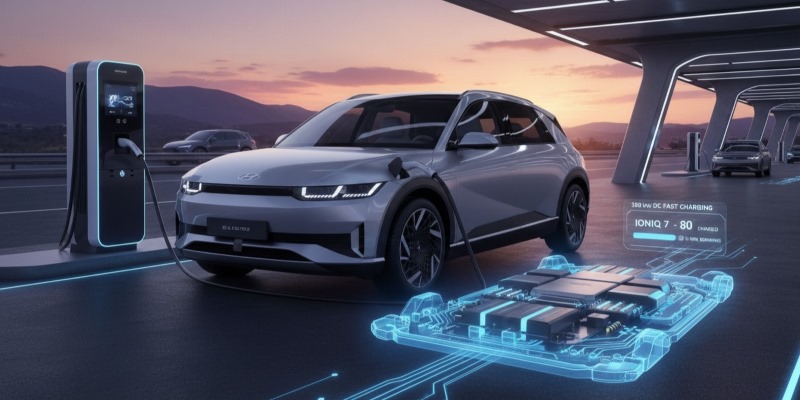
    Underneath, the Ioniq 7 rides on Hyundai’s E-GMP platform, enabling ultra-fast 350 kW DC charging enough to recharge from 10% to 80% in around 20 minutes. The estimated range sits near 300 miles, balancing efficiency with weight and size. Dual-motor all-wheel drive will likely come standard in upper trims, offering confident handling and traction in all conditions.

    Built on Hyundai’s E-GMP platform, the Ioniq 7 supports ultra-fast 350 kW charging for family-friendly road trips.
    Built on Hyundai’s E-GMP platform, the Ioniq 7 supports ultra-fast 350 kW charging for family-friendly road trips.

    Pricing and Market Position

    Hyundai aims to keep the Ioniq 7 competitive, with a starting price around $50,000 before federal EV tax credits. This places it in the sweet spot for growing families looking for premium comfort and technology without stepping into the luxury segment.

    Pros and Cons

    StrengthsLimitations
    Roomy three-row cabin with premium stylingSlightly shorter range than Tesla or Rivian rivals
    350 kW high-speed charging featureMay launch at the higher end of its price bracket
    Lounge-inspired comfort and materialsLimited towing capacity compared to gas SUVs

    The Hyundai Ioniq 7 is shaping up to be the most well-rounded family EV of 2026 combining practicality, performance, and premium design in one future-forward package.

    Chevrolet Equinox EV: The Budget-Friendly Disruptor

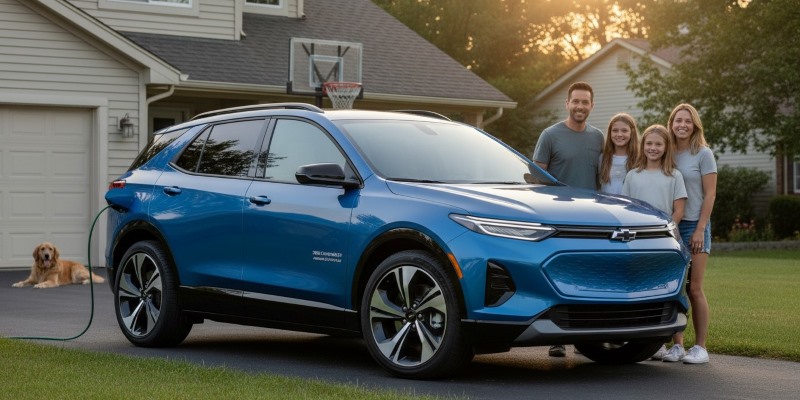
    The 2026 Chevrolet Equinox EV marks a turning point in the electric SUV market finally delivering a truly affordable EV for everyday buyers. With a base price expected to dip below $35,000 after federal tax incentives, this compact crossover redefines what “mass-market electric” means for American families.

    The 2026 Chevrolet Equinox EV aims to make electric SUVs truly affordable for everyday American drivers.
    The 2026 Chevrolet Equinox EV aims to make electric SUVs truly affordable for everyday American drivers.

    Design and Driving Experience

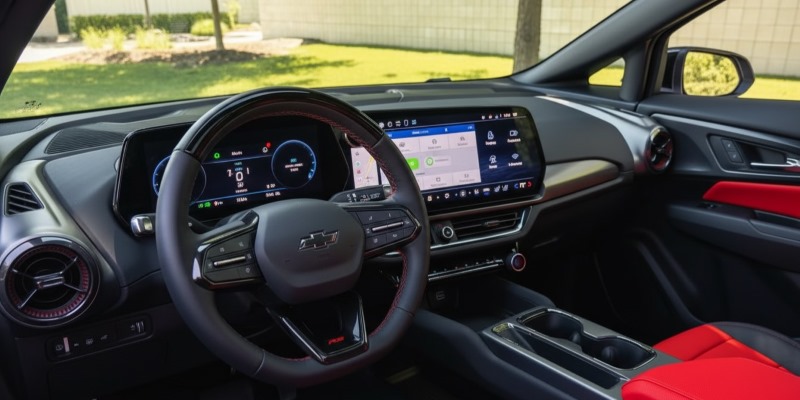
    The Equinox EV brings a clean, modern aesthetic similar to the Blazer EV but with more approachable dimensions. Inside, drivers will find a digital cockpit with an 11-inch infotainment screen, intuitive controls, and soft-touch materials that elevate the cabin experience. The focus isn’t just on affordability GM clearly wants this car to feel premium in design and usability.

    Performance and Range

    Built on GM’s Ultium platform, the Equinox EV offers 250 miles of range in the base FWD trim, extending up to 300 miles in the AWD version. Quick torque delivery ensures smooth acceleration, while the lower center of gravity gives it stable, composed handling. Charging performance is competitive too 150 kW DC fast charging adds roughly 70 miles in just 10 minutes.

    Market Strategy: “EV for Everyone”

    GM’s approach with the Equinox EV is clear to democratize electric mobility. Positioned directly against the Tesla Model Y and Volkswagen ID.4, it’s designed for practical drivers who want EV benefits without premium pricing. By combining Ultium efficiency with accessible pricing, Chevrolet is betting big on scale and consumer trust.

    Inside, the Equinox EV features a clean digital cockpit designed for simplicity, comfort, and everyday usability.
    Inside, the Equinox EV features a clean digital cockpit designed for simplicity, comfort, and everyday usability.

    Pros and Cons

    AdvantagesLimitations
    Sub-$35K price point (after incentives)Lower range than some mid-tier competitors
    Contemporary styling with user-friendly technologyLimited AWD availability on early trims
    Fast-charging via Ultium architectureCabin materials differ depending on the trim

    The Chevrolet Equinox EV could become the tipping point for mass EV adoption in the U.S., blending practicality, affordability, and everyday usability better than almost any competitor in 2026.

    Rivian R2 – The Compact Adventure SUV

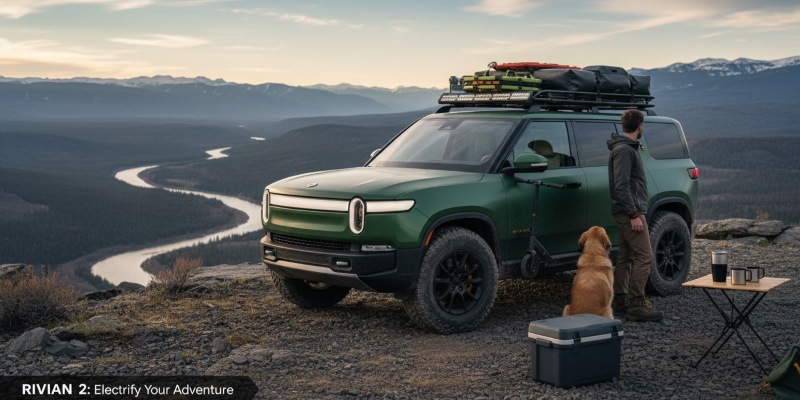
    Rivian is taking its signature adventure DNA and shrinking it into something more accessible the Rivian R2, a compact electric SUV designed for a new generation of explorers. Priced around $45,000, the R2 aims to make electric off-roading and outdoor adventure attainable for a wider audience, without compromising the brand’s rugged identity.

    Design and Positioning

    Smaller and more city-friendly than the R1S, the R2 still carries Rivian’s instantly recognizable design upright stance, signature headlight bar, and muscular wheel arches. Inside, it balances functionality and comfort, offering durable yet premium materials built for both daily commuting and weekend trails. Rivian’s minimalist interior design language continues here, with a strong focus on usability and tactile feedback.

    The Rivian R2 brings adventure-focused electric mobility into a more compact and accessible SUV format.
    The Rivian R2 brings adventure-focused electric mobility into a more compact and accessible SUV format.

    Performance and Range

    The R2 will ride on Rivian’s next-gen skateboard platform, offering both dual- and single-motor configurations. Range estimates hover around 300 miles, depending on setup, and early reports suggest quick 0–60 mph acceleration in under 5 seconds. True to Rivian’s ethos, the R2 includes off-road drive modes, adjustable suspension, and robust underbody protection perfect for light trail runs or mountain getaways.

    Technology and User Experience

    While smaller in size, the R2 inherits Rivian’s advanced software-driven ecosystem. Expect seamless over-the-air (OTA) updates, an improved navigation system tailored for off-road routes, and smart energy management that adapts to terrain and driving habits. Rivian’s OS also integrates voice control and mobile app connectivity, creating a smoother, more intuitive ownership experience than most legacy SUVs in its price range.

    Pros and Cons

    AdvantagesLimitations
    Adventure-ready design with compact dimensionsRange slightly below top-tier competitors
    OTA updates and excellent app integrationRestricted early production output
    Rivian’s strong brand appeal among young adventurersAvailability may be restricted to key markets at launch

    The Rivian R2 represents the brand’s bold step into mainstream EV territory a compact electric SUV that combines lifestyle, capability, and smart tech in one forward-looking package. For drivers who want adventure without the full-size footprint, the R2 could be 2026’s most exciting new EV SUV.

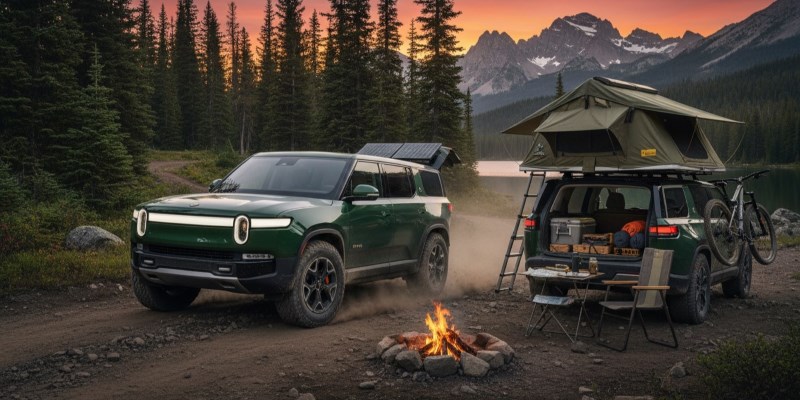
    Designed for outdoor exploration, the Rivian R2 features off-road drive modes and rugged underbody protection.
    Designed for outdoor exploration, the Rivian R2 features off-road drive modes and rugged underbody protection.

    Toyota bZ5X – Late but Ambitious

    After years of caution, Toyota is finally making its bold push into the EV market, and the upcoming bZ5X signals that the world’s largest automaker is ready to compete head-on. Expected to debut in 2026, this all-electric SUV will likely be Toyota’s first seven-seater EV, designed to appeal to families who value reliability, comfort, and long-term durability Toyota’s traditional strengths now reimagined for the electric age.

    Design and Platform

    Built on Toyota’s next-generation EV-dedicated architecture, the bZ5X blends the practicality of a Highlander with the futuristic styling of the bZ series. Early concept images reveal a sleek, aerodynamic silhouette with a wide stance and sculpted LED light bar a step away from Toyota’s conservative past. Inside, expect a clean, high-tech cabin focused on space efficiency and ease of use, with sustainable materials that highlight Toyota’s push for greener design.

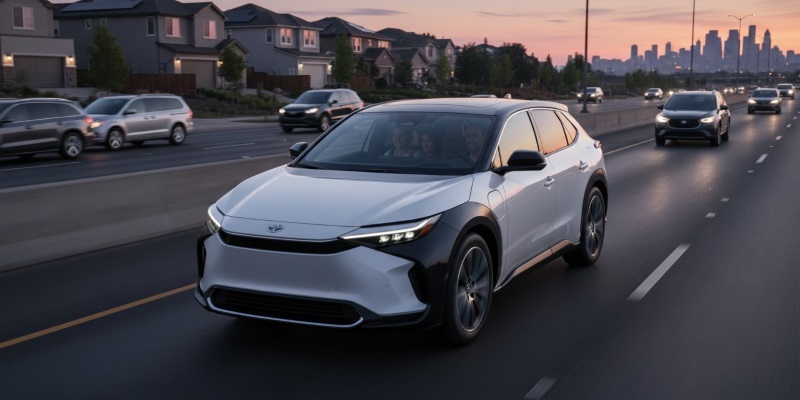
    The Toyota bZ5X marks the brand’s ambitious step into seven-seat electric SUVs for family-focused buyers.
    The Toyota bZ5X marks the brand’s ambitious step into seven-seat electric SUVs for family-focused buyers.

    Performance and Range

    The bZ5X is expected to deliver a range exceeding 300 miles per charge, thanks to improvements in Toyota’s solid-state and lithium-ion battery technology. Dual-motor all-wheel-drive variants are rumored to provide strong traction and stability, targeting both urban and light off-road use. Charging will also benefit from Toyota’s new global fast-charging partnerships, helping reduce downtime on long family trips.

    On-Road Performance and Intended Buyers

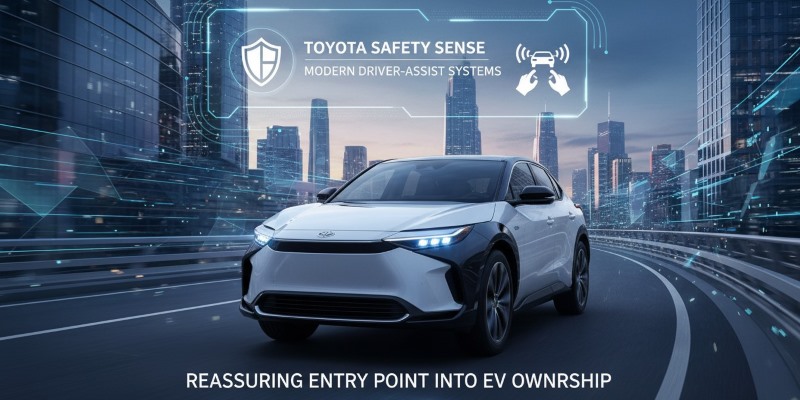
    Toyota aims this SUV squarely at loyal family buyers looking for a smooth transition to electric driving those who trust the brand’s legacy of reliability but want something modern, connected, and efficient. The bZ5X is expected to feature advanced driver-assist technologies (Toyota Safety Sense 3.0+), seamless smartphone integration, and a refined ride quality tuned for comfort over sportiness.

    Toyota Safety Sense and modern driver-assist systems position the bZ5X as a reassuring entry point into EV ownership.
    Toyota Safety Sense and modern driver-assist systems position the bZ5X as a reassuring entry point into EV ownership.

    Pros and Cons

    AdvantagesLimitations
    Toyota’s well-known dependability and strong resale pricesLate entry into the EV market
    Seven-seater practicality and family appealConservative styling may feel less exciting
    Competitive range and evolving battery techLimited brand experience in full EV production

    The Toyota bZ5X may arrive later than its rivals, but it represents a turning point for Toyota’s EV strategy combining proven dependability with modern electric innovation. For many American families still hesitant about EV adoption, the bZ5X could be the model that finally earns their trust.

    Comparison Table: 2026 Electric SUVs at a Glance

    For shoppers planning to buy an electric SUV in 2026, the market will be more exciting — and more competitive than ever. From premium tech-driven models to practical family haulers, each automaker is pushing its strengths to capture a fast-growing audience. The table below provides a quick comparison of the top five contenders expected to dominate next year’s EV landscape:

    ModelEst. Range (miles)Starting Price (USD)Charging SpeedKey Strength
    Tesla Model Y 2026~380$45,000250 kWSoftware ecosystem
    Hyundai Ioniq 7~300$50,000350 kWLuxury + comfort
    Chevrolet Equinox EV~280$35,000150 kWAffordable EV
    Rivian R2~320$45,000200 kWAdventure design
    Toyota bZ5X~310$48,000150 kWReliability

    Analysis: Choosing the Right EV SUV for 2026

    Choosing the right electric SUV for 2026 depends on how well a vehicle aligns with your priorities whether that’s technology, comfort, affordability, or versatility. As automakers push innovation in different directions, each upcoming model reflects a distinct approach to electric mobility. The following analysis highlights how leading 2026 EV SUVs compare across key use cases and buyer needs.

    • Tesla Model Y 2026 continues to lead in software integration, real-time updates, and driver-assist features, maintaining its appeal among tech-oriented buyers.
    • Hyundai Ioniq 7 brings luxury comfort to the family EV segment, blending premium interiors with high-speed charging performance.
    • Chevrolet Equinox EV will likely be the most budget-friendly option, targeting mass adoption with a balance of range and affordability.
    • Rivian R2 is built for adventure seekers, offering off-road capability in a compact, lifestyle-friendly design.
    • Toyota bZ5X, though a latecomer, earns attention for its trustworthy engineering and seven-seat versatility, ideal for long-term family use.

    This mix of choices highlights how 2026 will be a defining year for electric SUVs, offering something for every driver — from affordability and range to performance and innovation.

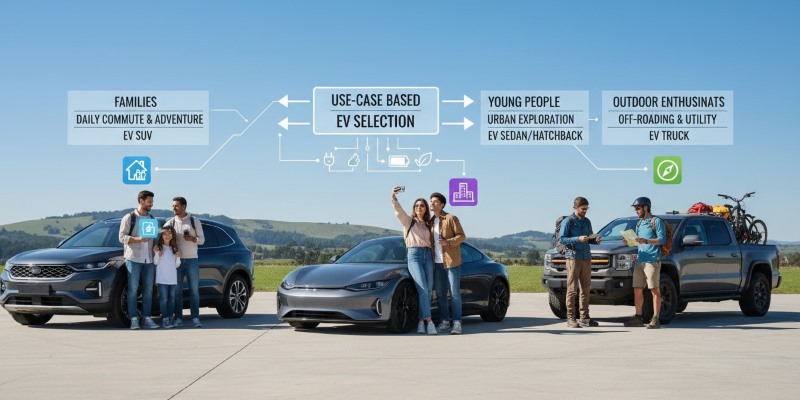
    Choosing the right 2026 electric SUV depends on individual priorities, from technology and comfort to affordability and versatility.
    Choosing the right 2026 electric SUV depends on individual priorities, from technology and comfort to affordability and versatility.

    Expert Insight: What Defines a “Good” Electric SUV in 2026

    As the electric SUV market in 2026 heats up, experts recommend looking beyond price and range. The best models combine technology, convenience, and ownership experience to deliver real-world value. Here’s what to consider when evaluating your next EV:

    1. Fast Charging Capability

    For most buyers, charging speed is now a critical factor. DC fast chargers above 250 kW allow significant range recovery in under 30 minutes, making long trips feasible and reducing “range anxiety.” Models like the Hyundai Ioniq 7 set a high standard in this category, while Tesla’s Supercharger network remains a benchmark for reliability and coverage.

    2. Advanced Car Operating System & OTA Updates

    Modern Car OS platforms are no longer just infotainment systems — they control driving aids, battery management, and connected services. Vehicles that support over-the-air (OTA) updates provide continuous improvements in performance, safety, and convenience, giving owners a car that actually evolves over time.

    In 2026, the best electric SUVs are defined as much by software and user experience as by battery range and performance.
    In 2026, the best electric SUVs are defined as much by software and user experience as by battery range and performance.

    3. Cabin Experience & Software Quality

    A high-quality electric SUV isn’t just about tech under the hood. Cabin comfort, intuitive controls, and smooth software interfaces define daily driving satisfaction. Features such as adaptive climate control, AI-assisted navigation, and responsive touchscreens enhance usability, making the vehicle enjoyable for both short commutes and long journeys.

    4. After-Sales Support & Charging Network

    Even the most advanced EVs require reliable service networks and widespread charging options. Automakers with robust warranties, responsive customer service, and partnerships with national charging networks reduce ownership stress and increase overall satisfaction. Tesla, for example, continues to leverage its extensive Supercharger network, while GM and Hyundai are expanding public charging access for 2026 models.

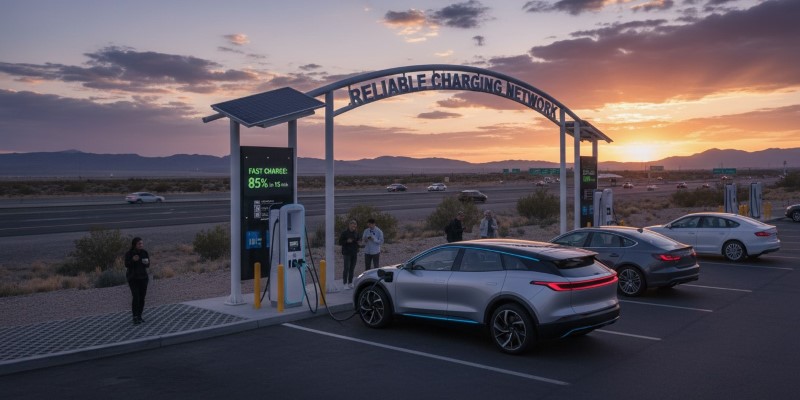
    fast-charging-access-and-reliable-charging-networks-play-a-critical-role-in-real-world-electric-suv-ownership
    fast-charging-access-and-reliable-charging-networks-play-a-critical-role-in-real-world-electric-suv-ownership

    The Future Belongs to Software and Experience

    The electric SUV market in 2026 is no longer just about battery size or horsepower. We’re entering an era where software, user experience, and AI integration define the winner. Automakers that master the Car OS, intuitive cabin interfaces, and OTA updates will control not just the vehicle, but the overall ownership experience.

    In this new landscape:

    • Tesla continues to leverage its proprietary OS and Supercharger network for a seamless ecosystem.
    • Hyundai and Rivian impress with luxury, comfort, and adventurous user interfaces.
    • GM and Toyota focus on affordability, reliability, and expanding charging access.

    Ultimately, the 2026 electric SUV race is about who can deliver a smart, convenient, and evolving experience. Buyers should look beyond specs and consider charging speed, Car OS capabilities, cabin comfort, and after-sales support to make the most informed choice.

    Essential FAQs on Next-Generation Electric SUVs (2026)

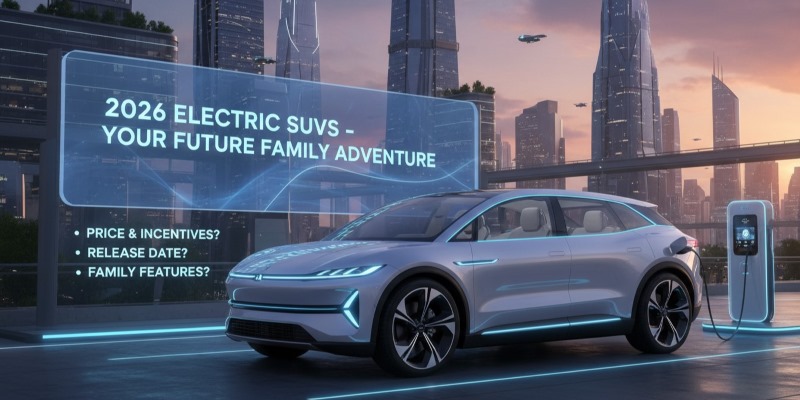
    As the electric vehicle market continues to evolve, 2026 is shaping up to be a pivotal year for next-generation electric SUVs. With new models, updated technology, and changing pricing dynamics, many buyers are asking similar questions before making a decision. The following FAQs address the most common concerns around release timelines, pricing trends, incentives, and family-friendly options for 2026 electric SUVs.

    Common questions about 2026 electric SUVs focus on pricing, incentives, release timing, and family-friendly options.
    Common questions about 2026 electric SUVs focus on pricing, incentives, release timing, and family-friendly options.

    Q1: Which 2026 electric SUV will arrive first?

    Shipping schedules differ among manufacturers. Tesla Model Y updates are typically early in the year, while Hyundai Ioniq 7 and Toyota bZ5X are expected mid-2026. Rivian R2 and Chevrolet Equinox EV may follow depending on production ramp-up.

    Q2: Will EV prices drop in 2026?

    Prices may stabilize or slightly decrease due to EV tax credits and competition, but advanced tech features (fast charging, AI systems) may offset reductions. Expect sub-$35K EVs like Equinox EV to remain highly competitive.

    Q3: Are tax credits still available for these models?

    Yes. The Inflation Reduction Act (IRA) EV tax credits still apply for eligible models, which can significantly lower the effective purchase price for U.S. buyers.

    Q4: Which is the best EV SUV for families?

    Hyundai Ioniq 7 offers three rows and a spacious cabin, making it ideal for families. Toyota bZ5X is another solid choice for those prioritizing reliability and long-term ownership.