Category: Trucks

  • Why Didn’t I Think of the Flip-Up Truck Bed Cap? Black River’s Matrix Line Reimagines Pickup Utility

    Why Didn’t I Think of the Flip-Up Truck Bed Cap? Black River’s Matrix Line Reimagines Pickup Utility

    For years, the Ford Raptor has dominated conversations about off-road performance, capability, and brand identity. And with Ford’s rapid push toward electrification, a natural question hangs over the future of the lineup: what happens to the legendary Raptor in a fully electric era? As emissions rules tighten and EV innovation accelerates, the idea of a hardcore electric Raptor is no longer theoretical-it’s a path the brand will inevitably explore.

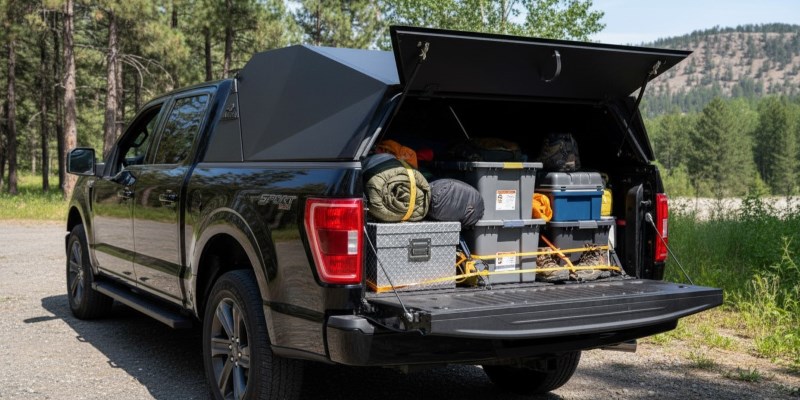
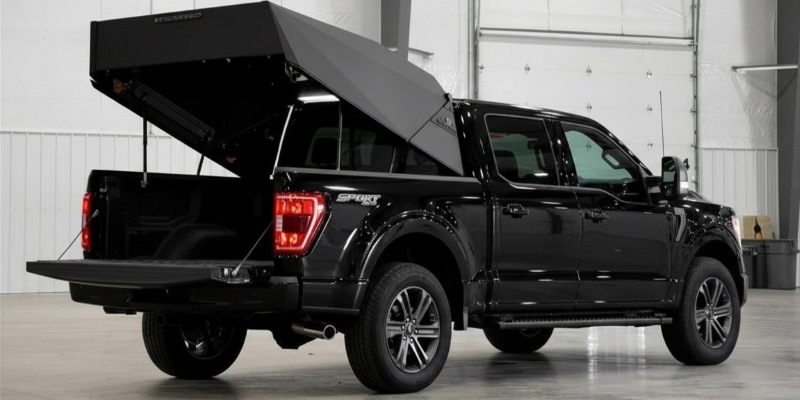
    But even in an industry obsessed with long-term trends like electrification, there are still moments where a product comes out of nowhere and instantly feels like it should have existed a decade ago. That was exactly my reaction when I encountered the Matrix flip-up truck bed toppers from Black River. These are not ordinary truck caps. They tilt upward like a giant clamshell, giving something pickup owners rarely get: true 360-degree access to their cargo. It’s the kind of idea that seems obvious once you’ve seen it, but distinct enough to carve a real niche in a heavily saturated truck accessories market.

    And after studying the specs, the construction details, and the usability features, one question kept resurfacing-why didn’t anyone think of this sooner?

    A Familiar Concept Rebuilt From the Ground Up

    Truck bed toppers have been around for decades, built in everything from steel and fiberglass to aluminum and composite materials. Their function has always been simple: secure the bed, keep gear dry, and add an extra layer of protection. But the Matrix lineup approaches the concept with a fundamentally different philosophy.

    Instead of relying on small side windows, sliding panels, or rear hatch access, the entire top panel of the Matrix flips upward. In practice, this transforms the truck bed into something closer to a massive lockable cargo vault, rather than just an enclosed space with limited reach points.
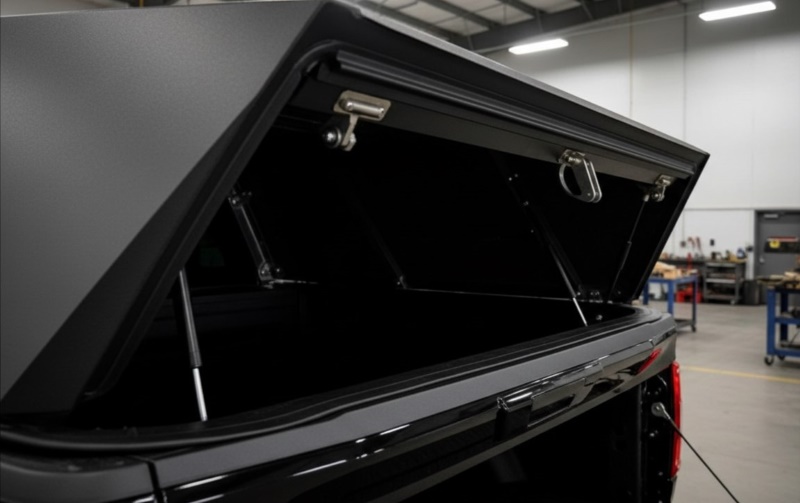
    Built from automotive-grade aluminum, the Matrix truck bed cap rethinks traditional toppers with a full flip-up clamshell design.
    Built from automotive-grade aluminum, the Matrix truck bed cap rethinks traditional toppers with a full flip-up clamshell design.

    Black River offers the Matrix in three configurations-GT, ST, and XL. Each is designed around different priorities:

    • Matrix GT: daily drivers and light overlanding
    • Matrix ST: angular styling and a more adventurous silhouette
    • Matrix XL: heavy-duty trucks with long beds needing maximum storage volume

    Despite their aesthetic differences, all three share foundational traits:
    .063 automotive-grade aluminum, reinforced hardware, a weather-tight design, and an emphasis on simplicity and durability.

    The lids open using cab-mounted struts, allowing users to lift the top even with gear inside. When it’s time to close it, a simple pull strap makes the process easy. For truck owners craving convenience, Black River also offers a power-assist up/down kit, adding an almost luxury-SUV level of functionality.

    While modern toppers often lean heavily on styling, the Matrix line focuses squarely on real-world usability-and still manages to look sharp doing it.

    Storage Volumes That Rival SUV Cargo Space

    Perhaps the most surprising part of the Matrix product line is the sheer amount of enclosed space it provides. Pickup owners rarely get to compare their bed capacity directly to the interior cargo volume of SUVs, but the Matrix makes that comparison not only possible but genuinely impressive. Here’s the breakdown:

    • Matrix GT: 105–120 cubic feet
    • Matrix ST: 105–120 cubic feet
    • Matrix XL: 138 cubic feet
    With up to 138 cubic feet of enclosed storage, the Matrix XL rivals full-size SUV cargo capacity.
    With up to 138 cubic feet of enclosed storage, the Matrix XL rivals full-size SUV cargo capacity.

    To put that into perspective, a Ford Expedition with its rear seats folded flat provides 108.5 cubic feet of cargo volume. The extended Expedition Max stretches that to 123.1 cubic feet.

    That means a pickup fitted with a Matrix topper can out-store some of the largest SUVs on the market-while maintaining weather protection, security, lockability, and access flexibility that SUVs can’t match.

    This kind of capacity appeals not just to contractors moving tools or equipment, but also to overlanding enthusiasts, hunters, weekend adventurers, and even homeowners transporting bulky items. A traditional topper can feel restrictive, with access limited to a rear hatch or small windows. The Matrix’s flip-up system dramatically increases how usable the storage space becomes.

    Crafted for Functional Use-Beyond Just Aesthetic Appeal

    Many toppers look rugged but struggle under the realities of everyday use. Black River seems to understand that truck owners want more than just a steel or aluminum box-they want something engineered for actual work. A few notable design decisions stand out:

    No side windows

    This is deliberate. Windows make gear visible-and therefore vulnerable. Eliminating them increases security and reduces break-in risk, something many overlanders and contractors worry about.
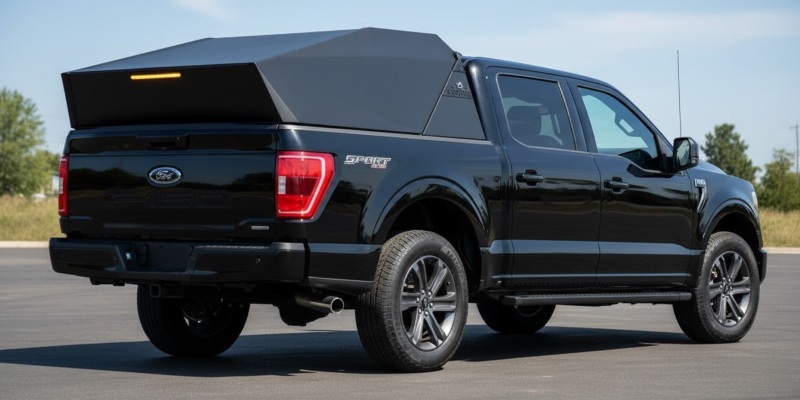
    Window-free panels and OEM lock integration make the Matrix topper a secure and practical upgrade for daily truck use.
    Window-free panels and OEM lock integration make the Matrix topper a secure and practical upgrade for daily truck use.

    Factory lock integration

    The Matrix locks directly with the truck’s OEM locking system. Owners don’t need padlocks, aftermarket bolts, or improvised solutions.

    Lightweight construction

    Despite their size, these toppers aren’t back-breakers:

    • GT and ST: 120–130 lbs
    • XL: 180 lbs

    Two adults can remove the GT or ST without special equipment. The XL requires more care, but its weight is still low considering its massive size.

    Thoughtful details

    A smoked third brake light, durable seals, and reinforced struts round out the engineering choices that make the Matrix more than a flashy idea. They make it reliable.

    This is a topper designed for real-world daily use, not just product photos.

    A Natural Fit for Overlanding and Adventure Builds

    Interest in overlanding gear has skyrocketed. Truck owners want functional, durable, minimalistic accessories that enhance outdoor capability without unnecessary frills. The Matrix topper fits perfectly into that ecosystem.
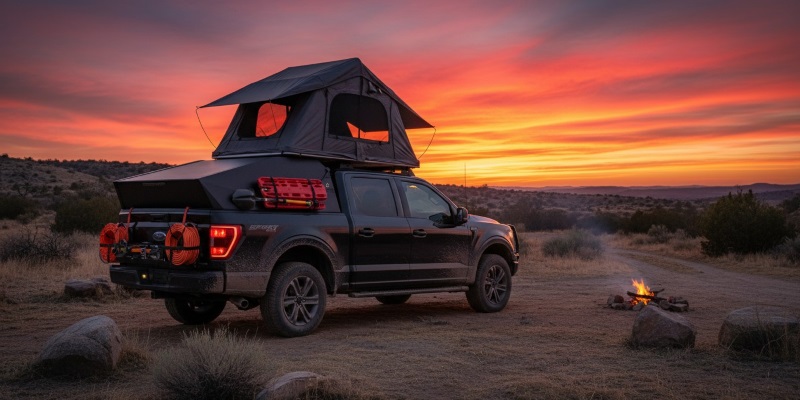
    Lightweight aluminum construction makes the Matrix flip-up topper ideal for overlanding and adventure builds.
    Lightweight aluminum construction makes the Matrix flip-up topper ideal for overlanding and adventure builds.

    Its aluminum body keeps weight manageable-important when factoring in rooftop tents, recovery gear, or water systems. Its flip-up lid remains accessible even when overlanding gear is stacked around the truck. And by ditching the vulnerable side windows, it avoids one of the biggest problems overlanding shells face: break-ins at campsites or rest stops.

    For anyone who values stealth, durability, simplicity, and security, the Matrix is a compelling upgrade.

    Costing That Mirrors Its High-Quality Build

    High-quality toppers are rarely cheap. With the Matrix line, pricing starts at:

    • GT and ST: $4,195
    • XL: $5,195

    Comparable fiberglass toppers often fall between $2,500 and $4,000 depending on options. Premium aluminum caps, especially those built for commercial or heavy-duty use, typically command even higher prices.

    Given the Matrix’s lift-assist mechanism, build quality, and engineering, the pricing falls squarely within the upper tier of the market-yet still competitive for what the product delivers.
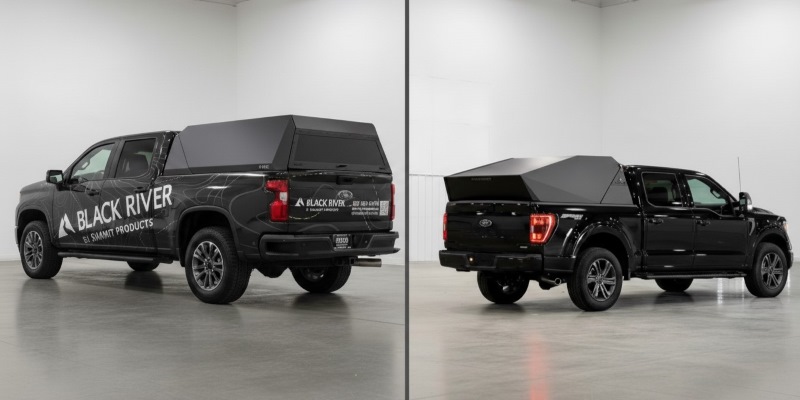
    The Black River Matrix lineup ranges from $4,195 to $5,195, positioning it in the premium truck accessory segment.
    The Black River Matrix lineup ranges from $4,195 to $5,195, positioning it in the premium truck accessory segment.

    Black River notes that most truck models are supported, although some configurations-such as Ram trucks with the RamBox system-are incompatible.

    A Simple Idea Solving a Universal Truck Problem

    What makes the Matrix topper particularly compelling is that it isn’t solving a niche complaint. It’s addressing the two biggest problems truck owners have had for decades:

    1. Not enough secure storage
    2. Difficult access to gear inside the bed

    Instead of reinventing the truck bed, Black River simply rethought how owners interact with it. And sometimes, that’s exactly what drives innovation in the truck accessory world.

    Even casual truck owners carrying luggage, groceries, or DIY supplies can appreciate the convenience of lifting an entire topper flap to reach their gear without climbing into the bed.

    This is utility refined-not complicated.
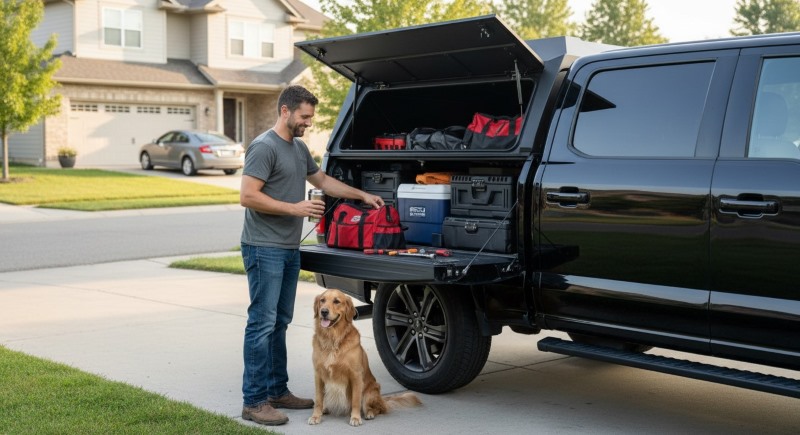
    By allowing full lift-up access, the Matrix topper solves two long-standing truck bed issues: storage security and accessibility.
    By allowing full lift-up access, the Matrix topper solves two long-standing truck bed issues: storage security and accessibility.

    Final Thoughts

    In a market filled with accessories that prioritize style over function, the Black River Matrix toppers offer a refreshing alternative: a product that genuinely enhances what a pickup truck can do. It merges the enclosed practicality of an SUV with the open cargo flexibility of a truck, all while maintaining durability, simplicity, and thoughtful engineering.

    And the more you look at it, the more you wonder why a concept this practical took so long to reach the mainstream. It’s smart, it’s functional, and it feels like a solution destined to stick around.

    Sometimes the best innovations aren’t the flashy ones-they’re the ideas that instantly make you say:
    “Why didn’t I think of that?”
  • Stuck Tesla Cybertruck Owner Reflects After Grueling Week on the Rubicon Trail

    Stuck Tesla Cybertruck Owner Reflects After Grueling Week on the Rubicon Trail

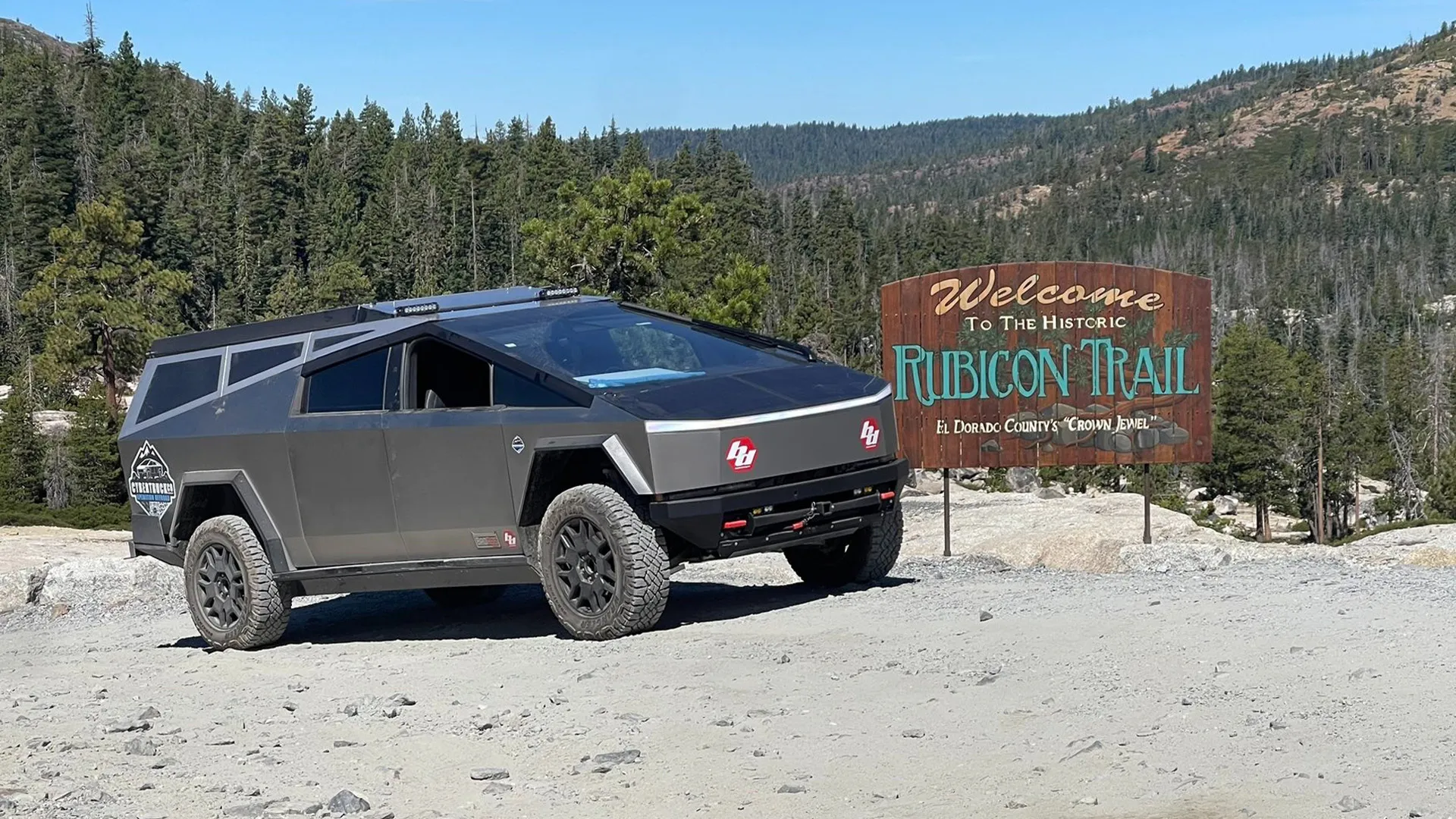
    The Tesla pickup that became famous for sitting immobilized on the Rubicon Trail for days has finally completed its journey barely. More than a week after the attempt began, the owner is sharing the full story behind one of the most punishing EV off-road tests to date.

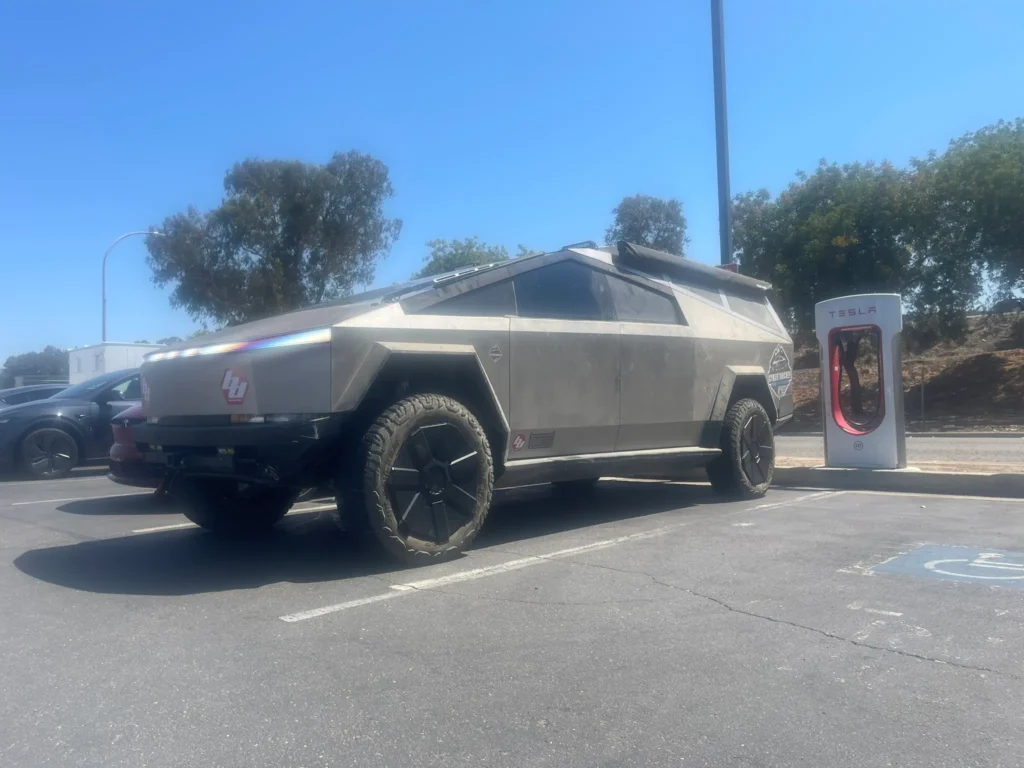
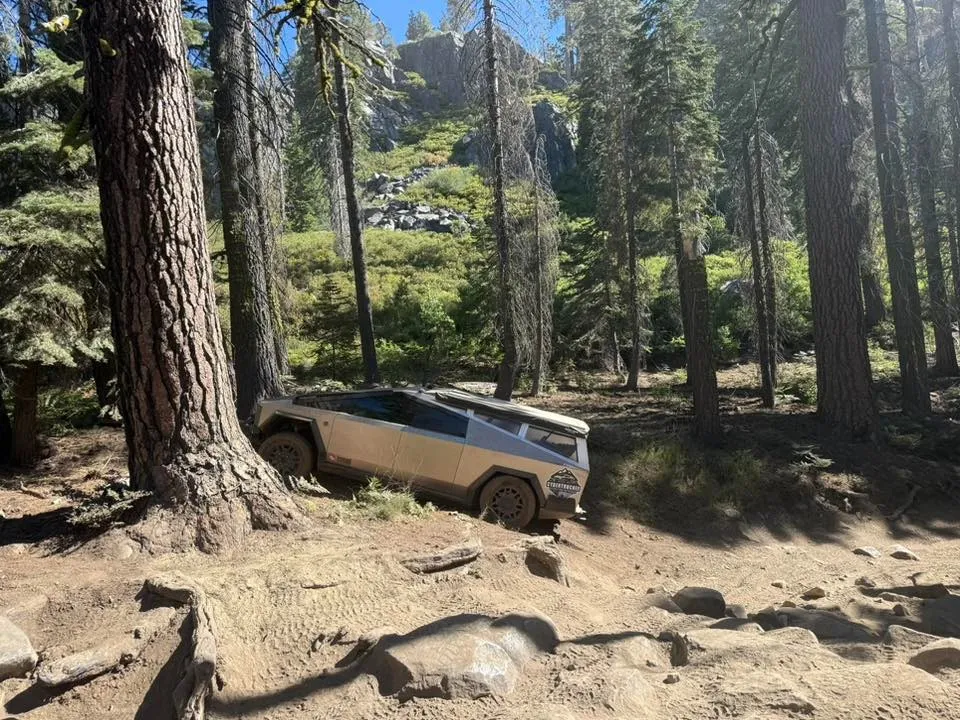
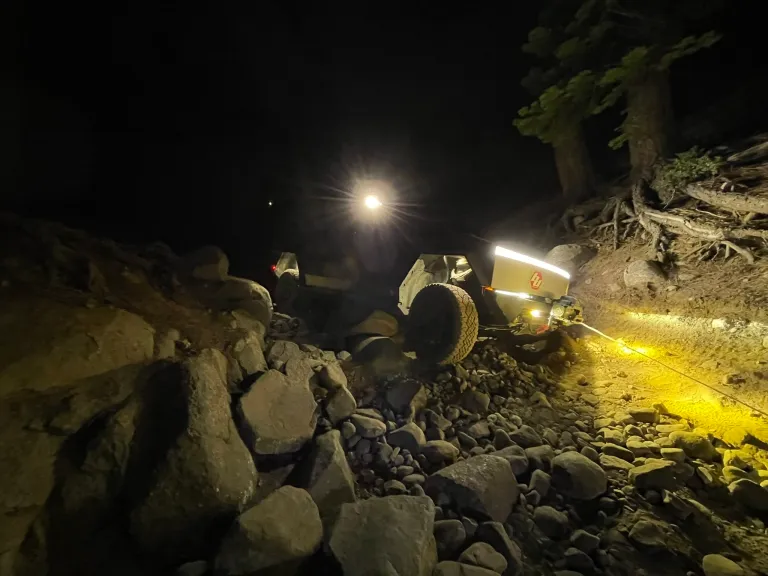
    When photos and videos of a disabled Tesla Cybertruck appeared across Facebook groups and automotive forums earlier this week, they quickly went viral. The electric pickup had been stranded on the Rubicon Trail-a place known for humbling even modified gas-powered rigs-for several days. The situation involved multiple broken components, a forced repair in the dirt, and a makeshift anchoring job on Cadillac Hill.

    Now, after finally reaching the Tahoma staging area with only bruises (and many bent tie rods), the Cybertruck’s owner, Roger Davis, is speaking out about what actually happened during his week-long ordeal. And according to him, the dramatic images only tell part of the story.

    A Trail Known for Destroying Vehicles

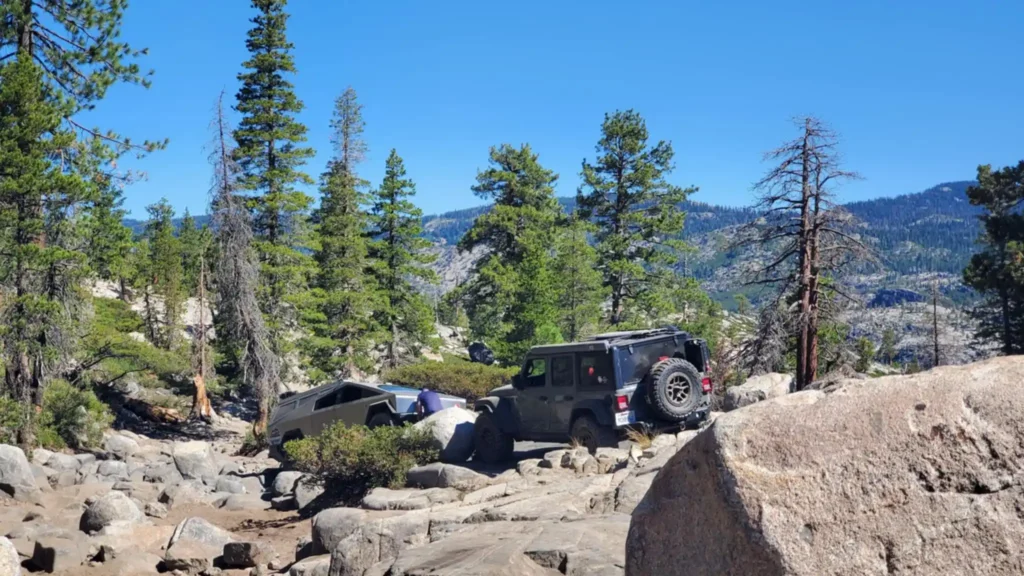
    The Rubicon Trail is one of the most challenging off-road routes in North America-a 22-mile gauntlet of granite boulders, steep ledges, tight passages, and relentless technical obstacles. Even purpose-built rock crawlers on 37- or 40-inch tires approach the trail with caution, and full-size vehicles often need significant modifications before attempting it.

    The Rubicon Trail’s granite obstacles have long challenged even heavily modified rock crawlers and full-size off-road vehicles.
    The Rubicon Trail’s granite obstacles have long challenged even heavily modified rock crawlers and full-size off-road vehicles.

    Despite that, Davis wanted to prove that a lightly modified Tesla Cybertruck-the vehicle that symbolizes the cutting edge of electric pickup capability-could survive one of the most punishing off-road environments in the world.

    “First of all, the Cybertruck should never cross the Rubicon without a skilled team of techs and spotters who know the trail well,” Davis said. “You also need to come with spares and be prepared.”

    His warning now reads less like advice and more like a hard-earned confession.

    A Support Jeep, High Hopes, and Rising Problems

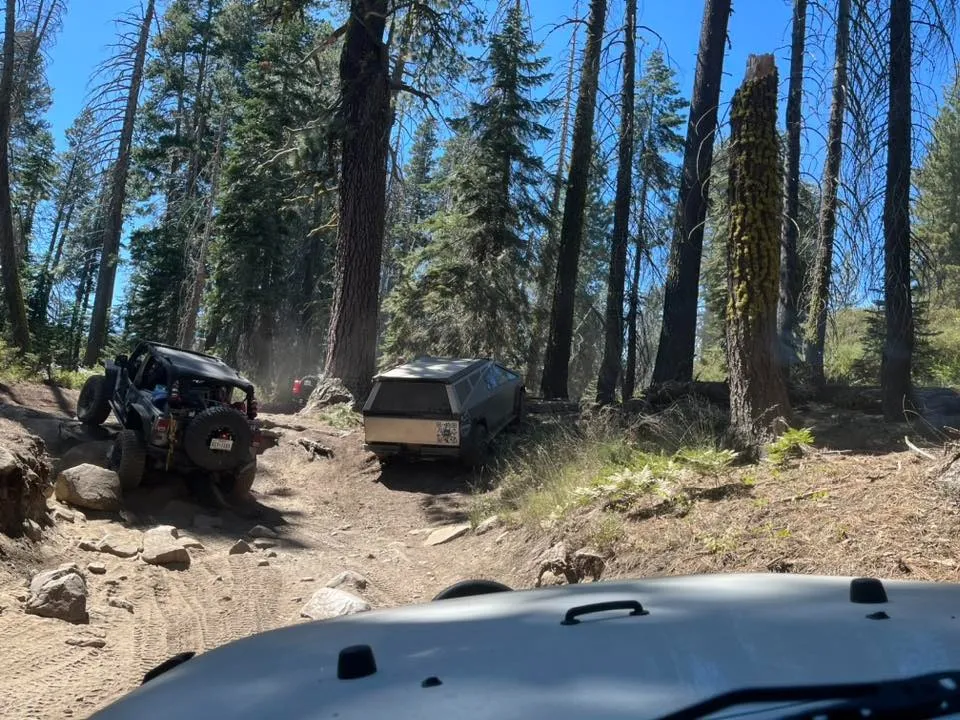
    Davis didn’t go alone. He invited a four-door Jeep Wrangler JL Rubicon to accompany the Cybertruck during the attempt. That Wrangler became a crucial lifeline-and ultimately the vehicle that did a significant amount of towing.

    While many off-roaders on the trail reported seeing the Jeep repeatedly pulling the Cybertruck through obstacles, Davis remains adamant that the EV held its own.

    A Jeep Wrangler JL Rubicon frequently assisted the Tesla Cybertruck through difficult sections of the Rubicon Trail.
    A Jeep Wrangler JL Rubicon frequently assisted the Tesla Cybertruck through difficult sections of the Rubicon Trail.

    According to him, the truck was outfitted with practical upgrades:

    • Rock sliders
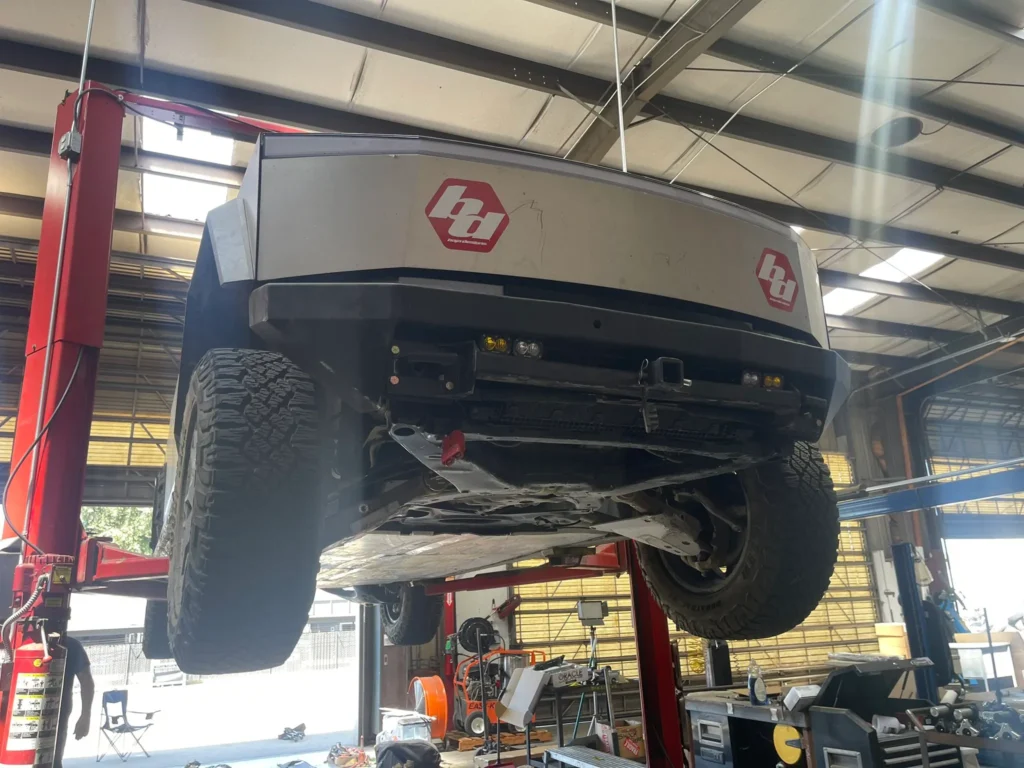
    • Front and rear aftermarket bumpers
    • Full-length skid plating
    • OEM Goodyear tires
    • A mild one-inch lift

    “It didn’t have any trouble on most obstacles,” he said. “We never held up the trail, and we did well with great spotting. And yes, of course, we pulled line and tugged it over some of the harder stuff-just like you would do for any other vehicle on this trail.”

    Davis even points out that they passed other broken vehicles, including:

    • A disabled Suzuki Samurai
    • Two struggling Jeep Wranglers
    • A Ford Bronco experiencing its own mechanical issues

    “The Cybertruck definitely wasn’t the only rig that took damage out there,” he insisted.

    Tie Rod Carnage, a Busted Steering Rack, and a CV Axle Failure

    However, the Tesla did suffer a long list of mechanical failures-far more than a typical Rubicon attempt.

    The Cybertruck sustained:

    • Four bent front inner tie rods
    • Two damaged rear tie rods (one bent, one with a sheared M14 bolt)
    • A destroyed rear CV axle on Cadillac Hill
    • A catastrophically failed steering rack

    Davis says they improvised one repair using a wheel spacer bolt to replace the sheared M14 bolt. But the steering rack failure was a major setback. It left the truck immobile on one of the steepest, narrowest, and most unforgiving portions of the Rubicon.

    “We were able to acquire a new front steering rack and a new rear axle,” Davis explained. “We replaced those in the dirt with the truck up on that tree.”

    Bent tie rods, a failed steering rack, and a destroyed CV axle left the Tesla Cybertruck immobilized on Cadillac Hill.
    Bent tie rods, a failed steering rack, and a destroyed CV axle left the Tesla Cybertruck immobilized on Cadillac Hill.

    That tree-the one seen in many viral photos-was used as an anchor to lift and stabilize the electric pickup during repairs.

    “As soon as she was back on the trail, she immediately climbed up that obstacle,” Davis recalled. “We got to the top, took some more pictures, and completed the rest of the trail easily.”

    The “easy” part, of course, came after four days of being stuck on Cadillac Hill.

    Energy Problems on the Trail: A Charging Crisis

    Even once the mechanical failures were addressed, the Cybertruck faced another life-or-death challenge: battery charge.

    Davis believes the truck might have been able to finish the entire route on a single charge if they had started at 100%. But they began at around 85%, and the slow crawling on granite-combined with power demands from winching and accessory use-drained the battery much faster than expected.

    With only 5% battery remaining, the Tesla Cybertruck relied on a larger generator to recharge and complete the Rubicon Trail.
    With only 5% battery remaining, the Tesla Cybertruck relied on a larger generator to recharge and complete the Rubicon Trail.

    By the time the Cybertruck rolled into Rubicon Springs, it had only 5% state of charge remaining.

    The campsite’s Yamaha generators were too small to make any meaningful progress.

    Then, unexpectedly, help arrived.

    “A guardian angel brought a larger unit and was able to fill the battery to 86%,” Davis said. “That let us finish the run.”

    That anonymous good Samaritan likely saved the entire attempt from ending in a dead-battery evacuation.

    A Word of Warning-from Someone Who Survived It

    Now safely home, Davis feels compelled to offer a blunt message to anyone considering following in his tire tracks.

    “I do not recommend any person trying the Rubicon with a Cybertruck unless you come extremely prepared,” he warned.

    Yet he also pushed back on a recurring criticism about EVs on difficult trails:

    “There’s probably less chance of this EV burning down that forest than all of the fossil fuel vehicles running through there,” he said.

    For Davis, the Rubicon run was a “bucket list” challenge. And now that it’s done, he doesn’t plan to rush back.

    “It’s checked off the bucket list, and we likely won’t go back anytime soon.”

    After completing the Rubicon Trail, the Cybertruck’s owner warned others to come fully prepared before attempting the iconic off-road route.
    After completing the Rubicon Trail, the Cybertruck’s owner warned others to come fully prepared before attempting the iconic off-road route.

    A Divisive Attempt in a Divisive Vehicle

    Predictably, the Cybertruck’s Rubicon journey ignited fierce debate. Some wheelers argued he never should have attempted the trail with an electric pickup of that size and weight. Others cheered him on and admired the determination to push EV capabilities into territory typically reserved for highly modified gas-powered crawlers.

    Davis says that in person, many off-roaders along the trail encouraged him to keep going-even when the truck was immobilized. But online commentary was far more polarized.

    Still, he remains unfazed.

    “As far as I’m concerned, the Tesla Cybertruck is the only vehicle in the world that can say it drove me with my hands off the steering wheel from San Diego all the way to the trailhead,” he said. “It then crossed the trail, and when it got off, it immediately started the journey home again, using Full Self-Driving while I read all the comments.”

    The Tesla Cybertruck’s Rubicon attempt sparked heated debate within the off-road community.
    The Tesla Cybertruck’s Rubicon attempt sparked heated debate within the off-road community.

    A Happy Ending-And a Reality Check for EV Off-Roading

    Davis has the Cybertruck back in his driveway now-a better outcome than many expected during the lowest points of the journey. The truck suffered severe component failures, endured one of the toughest off-road trails in existence, and still managed to exit under its own power.

    And, importantly, they never had to call in a helicopter for extraction-something that has happened with other stranded vehicles on the Rubicon.

    The ordeal highlights both the potential and the limitations of electric pickups in extreme off-road environments. While instant torque, quiet operation, and advanced traction control are undeniable advantages, the Rubicon Trail exposed vulnerabilities in steering, suspension durability, and long-distance energy management under extreme load.

    For Tesla, off-road engineers, and EV enthusiasts, Davis’ journey provides invaluable real-world insight into how electric trucks behave under true rock-crawling punishment-insight that no simulation or press demonstration can replicate.

  • Edison Motors Diesel-Electric Pickup for Classic Trucks

    Edison Motors Diesel-Electric Pickup for Classic Trucks

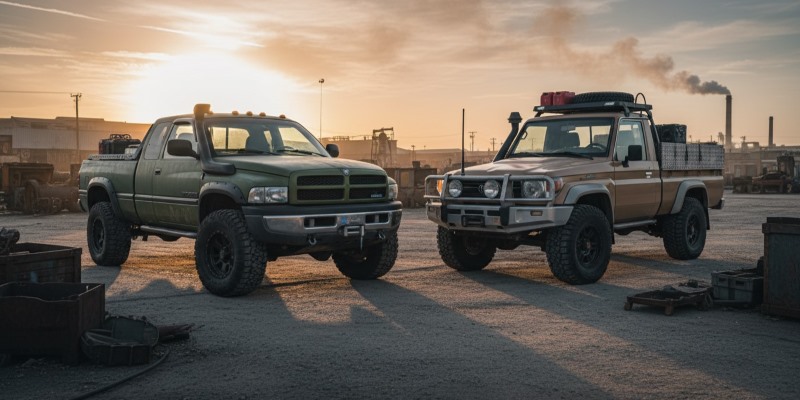
    Edison Motors diesel-electric pickup prototypes are redefining classic truck electrification. After nearly a year of development, the Canadian company has unveiled a second-generation Ram and a Toyota Land Cruiser 79 Series equipped with a Cummins-powered series-hybrid system. These builds preview Edison Motors’ upcoming diesel-electric conversion kit, designed to transform classic trucks from the past six decades into range-extended hybrid pickups.

    Edison Motors: Bridging the Gap Between Classic Trucks and Modern Electrification

    Edison Motors has established itself as a forward-thinking innovator in the electric vehicle space, particularly in work trucks and heavy-duty machinery. Founder and president Chace Barber has a reputation for practical, realistic approaches to electrification, prioritizing durability and usability over hype. The company’s partnership with Rich Bosch of Deboss Garage, now Edison’s Vice President of Work Truck Fabrication, has been pivotal in translating that vision into functional prototypes.

    “These builds show that you don’t need to compromise a truck’s utility for electrification,” Barber said in a recent interview. “We’re focused on creating real-world solutions that can be adapted to existing vehicles, making hybrid technology accessible to more owners.”

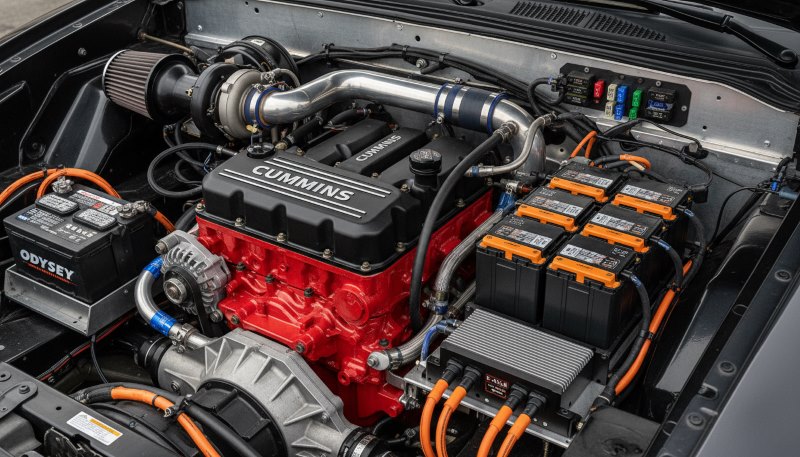
    The 2.8-liter Cummins diesel engine acts as a generator in Edison Motors’ series-hybrid pickup system.
    The 2.8-liter Cummins diesel engine acts as a generator in Edison Motors’ series-hybrid pickup system.

    The new pickup prototypes continue Edison’s commitment to series-hybrid technology, a concept with a century-long history in locomotives and heavy equipment. By combining a compact diesel engine with electric motors and battery storage, these pickups can deliver both instant torque and range-extension capabilities, ensuring a practical and versatile driving experience.

    Understanding the Operation of a Diesel–Electric Powertrain

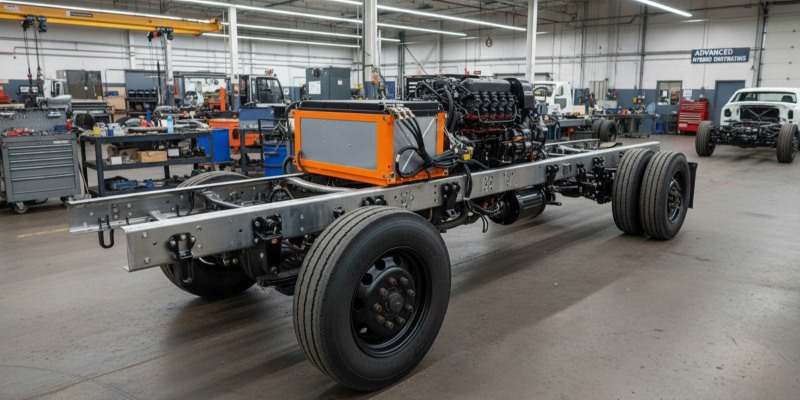
    Both the Ram and Land Cruiser prototypes are powered by a 2.8-liter Cummins diesel crate engine, a small yet robust four-cylinder designed to run efficiently as a generator. Unlike conventional hybrids, the diesel engine does not directly drive the wheels. Instead, it spins a generator that feeds electricity into a frame-mounted battery, which in turn powers e-axles delivering torque directly to the wheels. This setup eliminates the need for a traditional transfer case, resulting in cleaner drivetrain packaging and smoother off-road operation.

    This setup offers a wide range of advantages:

    • Silent electric operation: When running purely on battery power, these pickups are whisper-quiet, providing a completely different experience compared to conventional diesel trucks.
    • Extended range: The onboard diesel engine generates electricity on demand, alleviating range anxiety commonly associated with battery-electric vehicles.
    • Instant torque: Electric motors provide immediate wheel torque, enhancing acceleration and off-road capability.

    According to Edison Motors, this configuration ensures that trucks retain their traditional ruggedness while gaining modern efficiency and performance enhancements, making them suitable for both daily driving and heavy-duty work.

    Engineering and Layout Difficulties

    Designing a retrofit diesel-electric kit for trucks spanning six decades is no small feat. Edison and Deboss Garage have had to account for vastly different chassis layouts, bed configurations, and suspension setups while keeping the kits universal and minimally invasive.

    For instance, the Land Cruiser prototype required a bed-mounted EV cooling system, which Edison is actively redesigning to fit under the truck bed, maximizing cargo space and usability. The second-gen Ram, by contrast, manages to house all hybrid components completely out of sight, making it nearly indistinguishable from a stock pickup at first glance.

    These packaging innovations are critical because they ensure that the converted pickups maintain full payload capacity and bed usability, essential factors for owners who rely on trucks for work or recreation.

    Why On-Road and Practical Testing Matters

    Unlike many startups that focus on concept hype, Edison Motors has taken a hands-on, empirical approach to development. The prototypes have undergone extensive testing, from driveability assessments to battery and e-axle durability trials, ensuring that the kits can survive both daily commuting and extreme off-road conditions.

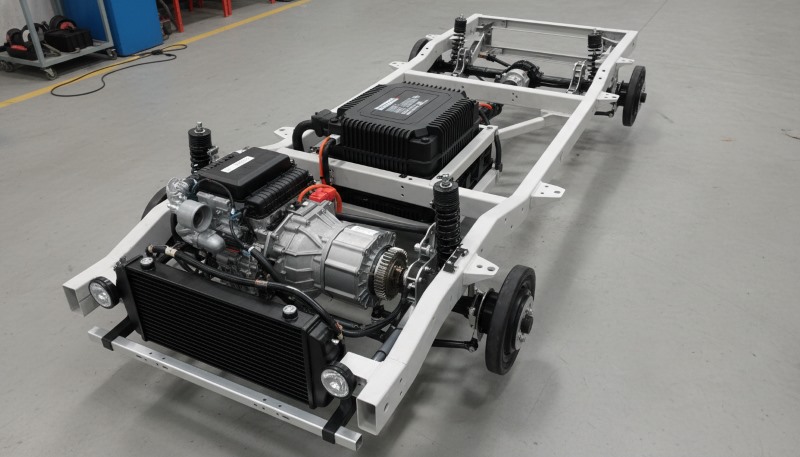
    Edison’s diesel-electric conversion kit is engineered to fit classic pickup chassis without sacrificing payload space.
    Edison’s diesel-electric conversion kit is engineered to fit classic pickup chassis without sacrificing payload space.

    Barber and his team have been candid about the iterative nature of their process. Several ideas were abandoned when they failed to meet Edison’s rigorous standards for performance, safety, and longevity. This transparency, according to industry analysts, sets Edison apart from other EV startups, which often rely heavily on marketing and preorders to fund development.

    “Being honest about what works and what doesn’t is rare in this space,” said Barber. “It’s important that our customers trust these systems not just to work once, but to work consistently over years of use.”

    Possible Commercial Segments and Use Cases

    Edison Motors’ range-extended diesel-electric pickup kits have broad implications for the automotive market. They offer a pathway for:

    1. Classic truck owners: Enthusiasts who want to modernize their vintage vehicles without sacrificing originality.
    2. Work truck operators: Fleets that require extended range, off-road capability, and low operational noise in urban or remote environments.
    3. Overlanders and off-road adventurers: Drivers seeking electric torque and diesel reliability in long-distance, off-grid scenarios.
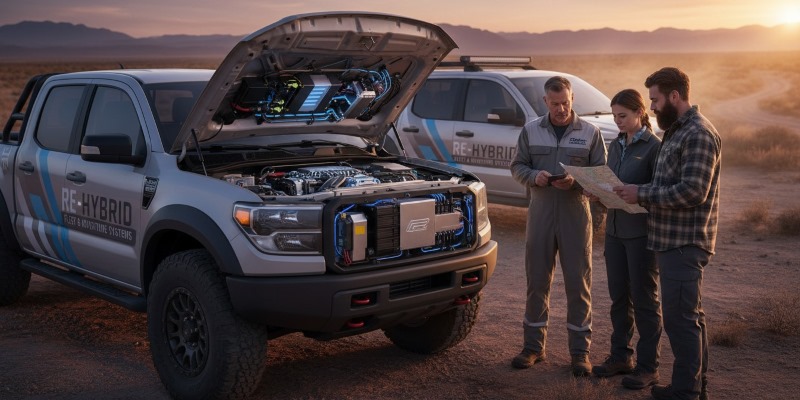
    The range-extended hybrid system is aimed at fleet operators, work truck owners, and overland adventurers.
    The range-extended hybrid system is aimed at fleet operators, work truck owners, and overland adventurers.

    Additionally, Edison is exploring the sale of rolling chassis with the hybrid drivetrain preinstalled, allowing customers to simply place their desired pickup body on top. This approach could streamline conversions and make the technology accessible to a wider audience, from DIY hobbyists to commercial operators.

    Sustainability and Futureproofing

    One of Edison’s core missions is sustainability. By converting existing vehicles to hybrid-electric operation, the company reduces the environmental impact of manufacturing new vehicles. Classic trucks that might otherwise remain gas-powered and inefficient can now achieve lower emissions and improved fuel economy, thanks to the series-hybrid system.

    The combination of a small-displacement diesel engine and battery-electric propulsion offers significant advantages:

    • Reduced fuel consumption compared to conventional pickups.
    • Lower greenhouse gas emissions, particularly on city streets where electric operation dominates.
    • Preservation of existing vehicles, reducing automotive waste and supporting the circular economy.
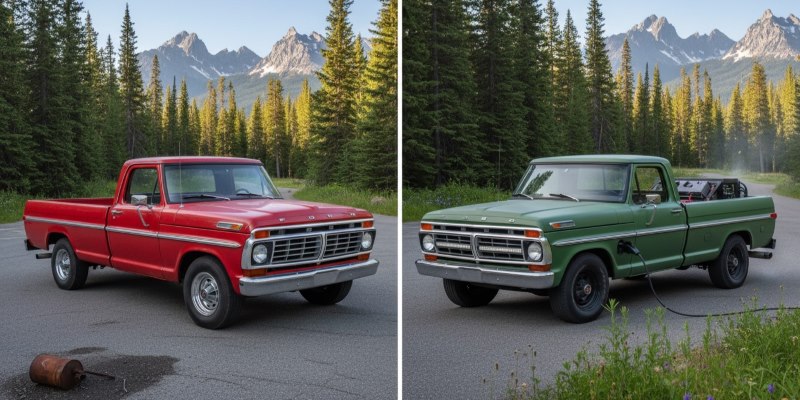
    By enabling hybrid classic truck conversion, Edison Motors aims to reduce emissions while extending the lifespan of existing pickup platforms.
    By enabling hybrid classic truck conversion, Edison Motors aims to reduce emissions while extending the lifespan of existing pickup platforms.

    Looking Ahead: Production and Kit Availability

    Currently, Edison’s pickup prototypes remain in the development and validation phase. While specific pricing and availability details are not yet finalized, the company has indicated that the conversion kits will be offered in the near future. This will allow a wide range of classic and modern pickups to benefit from diesel-electric propulsion, expanding the market for sustainable performance upgrades.

    Industry observers note that Edison’s approach is particularly timely, as demand grows for electrified trucks with practical range and utility. Competitors in the electric pickup space, from Ford and Rivian to Tesla, have focused primarily on new vehicles, leaving a niche for retrofits and hybrid conversions. Edison Motors appears poised to fill that gap with technically advanced, real-world solutions.

    Edison Motors plans to commercialize its diesel-electric conversion kit and potentially offer rolling chassis options for hybrid pickup builds.
    Edison Motors plans to commercialize its diesel-electric conversion kit and potentially offer rolling chassis options for hybrid pickup builds.

    Edison Motors’ work with diesel-electric pickups represents a significant evolution in vehicle electrification. By combining classic pickup platforms with series-hybrid powertrains, the company has created machines that are both functional and forward-looking. The prototypes—a second-gen Ram and a 79-Series Toyota Land Cruiser—demonstrate that it’s possible to modernize existing vehicles without sacrificing their character or utility.

    With plans to launch conversion kits and potentially rolling chassis, Edison is making electrification accessible to a wide audience, including classic truck enthusiasts, fleet operators, and off-road adventurers.

    In an era where sustainability and performance are often at odds, Edison Motors’ diesel-electric pickups provide a compelling bridge between the past and the future, delivering the torque, range, and reliability that both drivers and the planet can appreciate.

    As development continues and kits approach production, the industry will be watching closely to see if Edison can translate its prototypes into practical, scalable solutions for the growing market of hybrid and electrified trucks.

  • Ford Introduces the Belt Truckle: A Western-Inspired Key Fob Holder for F-150 Owners

    Ford Introduces the Belt Truckle: A Western-Inspired Key Fob Holder for F-150 Owners

    Whether you’re a seasoned rancher, a weekend cowboy, or simply a fan of Western fashion, Ford’s Belt Truckle offers a clever and practical solution to an age-old problem: keeping your Ford F-150 key fob secure while on the go. Designed as a belt buckle that doubles as a key storage device, the Truckle blends function with craftsmanship, honoring both Western heritage and Ford’s iconic pickup legacy.

    A Cowboy Problem Meets a Creative Solution

    For decades, pickup trucks have been a staple of Western culture, particularly in states like Texas, Montana, and Louisiana. Cowboys and ranchers rely on their trucks for everything from hauling livestock to navigating rugged terrain and securing truck keys has always been a practical concern. The Ford Truckle addresses this challenge in a way that is as stylish as it is functional.

    The Truckle, according to its creator, Andy Andrews a master buckle maker, rodeo legend, and lifelong Ford customer is designed to accommodate any Ford key fob from 2018 onward. Whether you’re driving a Ford Ranger, F-150, or Super Duty, the Truckle ensures your key is safely tucked away, freeing your hands for work on the ranch or chores around the farm.

    “It’s the perfect blend of Western craftsmanship and modern utility,” says Andrews. “We wanted to create a piece that pays homage to the F-150 while solving a practical problem that’s often overlooked.”

    The Design: Western Craftsmanship Meets Functionality

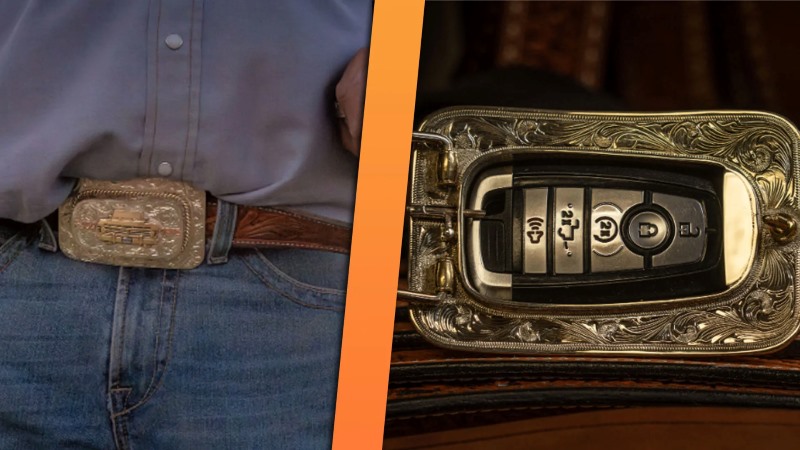
    The Truckle’s design is rooted in traditional Western belt buckle aesthetics, complete with detailed engraving and durable metal construction. A highlight is the miniature 1975 F-150 engraved on the key compartment door, surrounded by ornamental etching that evokes classic rodeo and ranch gear. The craftsmanship reflects first-class attention to detail, appealing not only to ranchers but also to collectors and enthusiasts of Western lifestyle accessories.

    The belt buckle opens to reveal a small, secure compartment capable of holding a modern Ford key fob, keeping it safe from loss, weather, or accidental drops. The integration of a key fob locker into a wearable accessory is a novel concept, making the Truckle a first-of-its-kind product in both the automotive and Western accessory markets.

    A Limited-Edition Celebration of F-150 Heritage

    The Truckle was developed in partnership with Ford Motor Company to commemorate 50 years of the F-150. Its limited-run production adds exclusivity, making it a collectible item for fans of the truck and the brand. The description by A Cut Above Buckles emphasizes its dual purpose:

    “Securely store your Ford key fob inside the Truckle and keep your hands free to get work done. We created the Truckle with Ford to honor five decades of F-150 legacy.”

    The combination of heritage-inspired design and practical utility makes the Truckle appealing to multiple audiences:

    • Ranchers and working cowboys who need hands-free access while managing livestock or performing outdoor labor.
    • Pickup enthusiasts who appreciate the history and craftsmanship of Ford trucks.
    • Western lifestyle aficionados and collectors who want functional, wearable art with a nod to Americana.
    • Teenagers and cosplay fans who enjoy Western-themed fashion and want a unique way to carry their Ford key fobs.

    Utility and Everyday Use

    While the Truckle is undeniably stylish, its practical utility cannot be overstated. Securing a key fob in a traditional pocket can be cumbersome, particularly when wearing cowboy jeans, chaps, or layered work clothing. The Belt Truckle eliminates this problem by providing a dedicated, accessible storage solution, reducing the risk of lost keys or accidental drops in the field.

    Additionally, the design allows the key fob to remain protected from environmental elements like dust, mud, and rain common hazards in ranch and farm work. The Truckle’s sturdy construction ensures durability under regular use, making it suitable for rugged outdoor activities.

    Price, Availability, and Collectibility

    As a limited-run product, the Ford Belt Truckle is currently sold out, reflecting strong demand among Ford enthusiasts and collectors. Priced at approximately $200, it combines practicality and collectible value in a single accessory. Until restocks are available, buyers may need to store their key fobs in the vehicle temporarily, but the anticipation underscores the Truckle’s appeal as both a functional tool and a statement piece.

    Collectors and Western enthusiasts often view limited-edition accessories like the Truckle as an investment in Ford memorabilia, particularly items that celebrate milestone anniversaries such as the F-150’s 50-year legacy.

    Broader Context: Trucks and the Cowboy Lifestyle

    The F-150 has long been more than just a vehicle, it’s a cultural icon in Western and rural America. From hauling cattle and farm equipment to appearing in country music videos and lifestyle branding, the F-150 represents utility, reliability, and rugged independence. Accessories like the Truckle reinforce this connection by merging functional necessity with cultural expression.

    As automotive journalist Caleb Jacobs noted earlier this year, the pickup truck is deeply intertwined with Western identity. Products like the Truckle extend that legacy, creating a bridge between modern automotive technology and traditional cowboy culture.

    Function Meets Fashion

    The Ford Belt Truckle is a creative, functional, and collectible accessory that blends Western heritage, craftsmanship, and modern utility. By transforming a belt buckle into a secure key fob storage solution, Ford and A Cut Above Buckles have addressed a niche problem in a stylish and practical way.

    Whether you’re a rancher needing hands-free convenience, a Ford enthusiast celebrating five decades of F-150 history, or a fan of Western fashion, the Truckle offers a unique solution that is both practical and visually appealing.

    As limited-run items continue to gain popularity in the automotive accessory market, products like the Truckle demonstrate that innovation doesn’t always mean electronics or horsepower—sometimes, it’s about merging utility, design, and lifestyle in unexpected ways.

    For now, enthusiasts will need to wait for restock, but the Ford Belt Truckle has already proven that there’s a market for accessories that are as rugged and iconic as the trucks they complement.

  • The Case Against Triple-Axle Trailers: Why Two May Be Enough

    The Case Against Triple-Axle Trailers: Why Two May Be Enough

    For anyone involved in towing, the assumption has long been that more trailer axles automatically means better performance. After all, specialized haulers carrying enormous loads often come with more axles than a rodeo parking lot. But towing experts are challenging this conventional wisdom, suggesting that in many cases, a well-built tandem-axle trailer can outperform its triple-axle counterpart.

    Tandem vs. Triple: The Towing Debate

    Randy Stamper, founder of Hart Trailer, has spent decades working on trailer design and heavy-duty towing solutions. According to Stamper, the triple-axle trailer myth—the belief that more axles always mean better stability or capacity is just that: a myth.

    “We don’t want to dismiss what people want,” Stamper explains, “but we feel a responsibility to design trailers that are safest and most efficient for the load and the driver.”

    Hart Trailer, a company known for robust heavy-duty tandem trailers, has taken this philosophy to heart: they refuse to build triple-axle trailers, despite frequent requests from customers. Instead, Stamper uses educational content, including detailed YouTube walkthroughs, to illustrate why two axles are often superior to three.

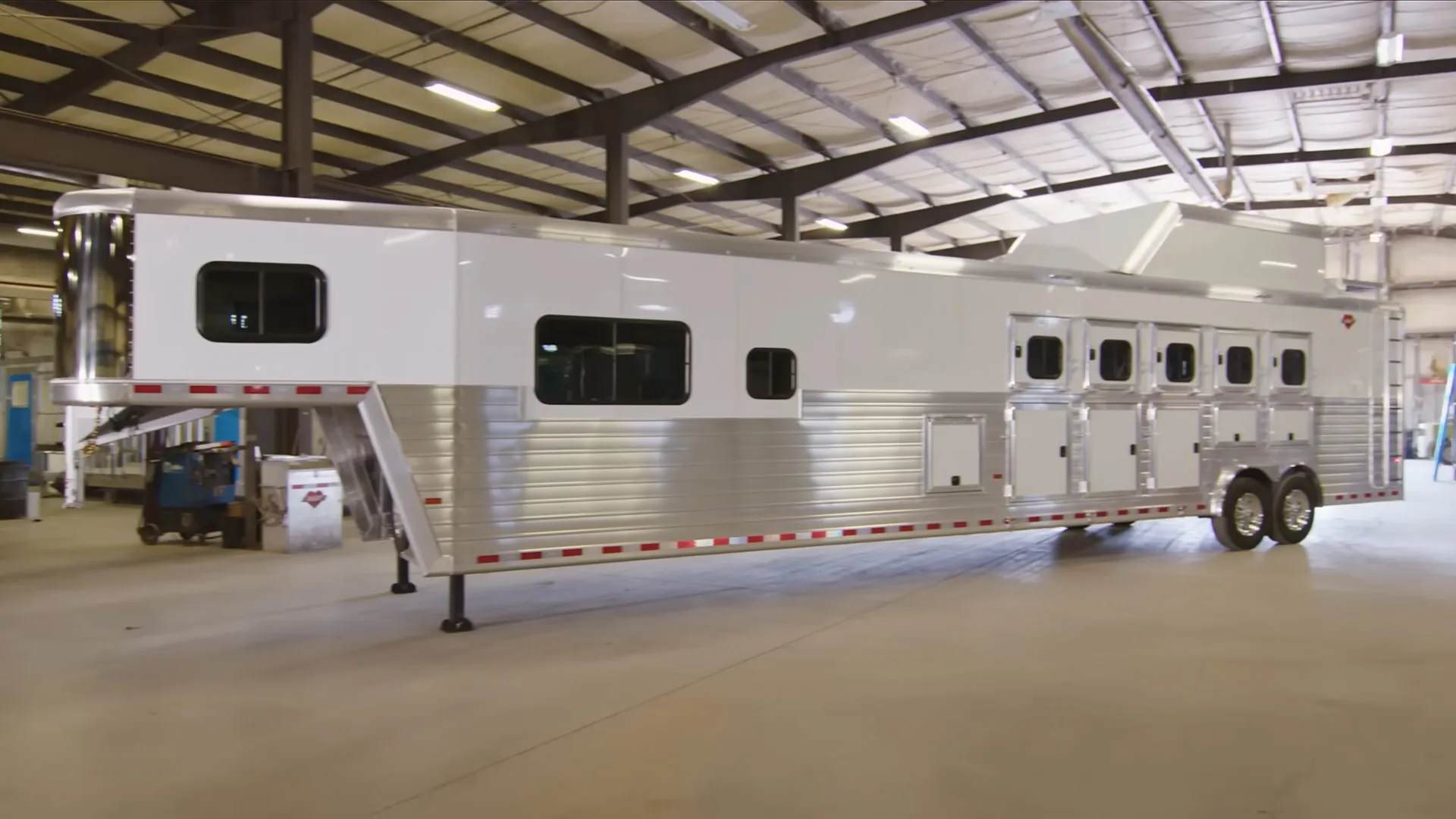
    Side-by-side comparison of tandem-axle and triple-axle trailers in real-world towing conditions.
    Side-by-side comparison of tandem-axle and triple-axle trailers in real-world towing conditions.

    Understanding Axle Ratings and Component Strength

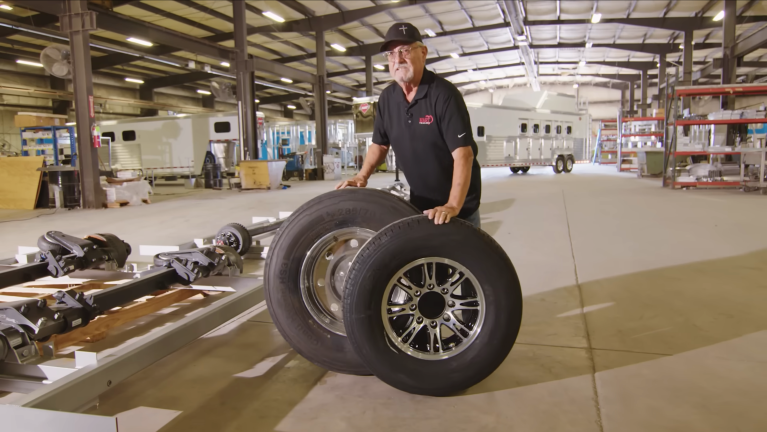
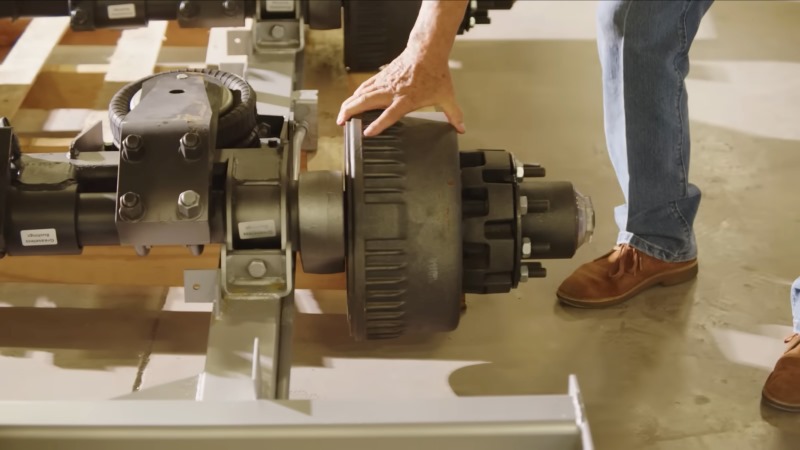
    One key factor is axle and wheel sizing. Hart Trailer’s tandem designs use 7,000- and 8,000-pound axles with 16-inch wheels, as well as 10,000- and 12,000-pound axles with 17.5- and 19.5-inch wheels, respectively. The differences in axle strength, tire capacity, hubs, and brakes are significant.

    Even though it is technically possible to mount larger tires on smaller axles, the braking capacity is inherently limited. For example, a 12,000-pound axle with 19.5-inch wheels supports much larger tires, bigger brakes, and stronger hubs compared to a 7,000-pound axle with 16-inch wheels, allowing for safer towing under heavy loads.

    “Bigger axles aren’t just about load capacity,” Stamper notes. “They provide better braking, better hub durability, and a longer lifespan for the tires themselves.”

    This means that two properly rated axles can outperform three smaller axles, even if the gross vehicle weight rating (GVWR) is technically similar.

    Heavy-duty tandem-axle trailer equipped with high-capacity axles and larger wheels for improved braking.
    Heavy-duty tandem-axle trailer equipped with high-capacity axles and larger wheels for improved braking.

    The Pivot Problem: How Triple Axles Can Cause Wear

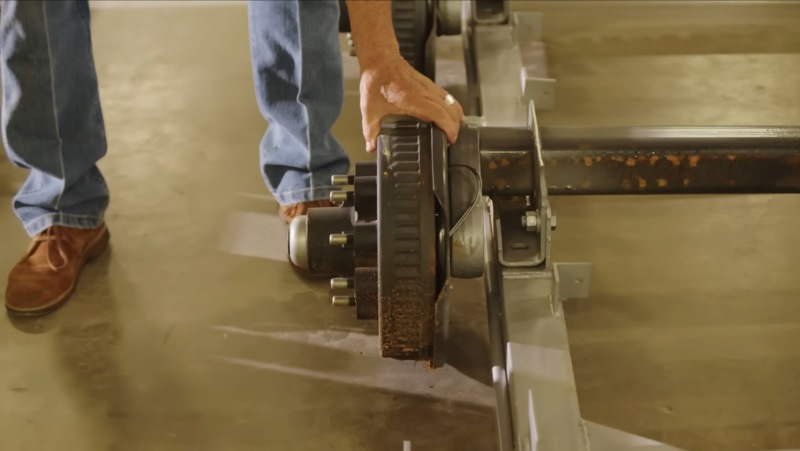
    Beyond axle ratings, there’s a more subtle issue with triple-axle trailers: pivot points. A triple-axle trailer pivots around the middle axle, which causes the other two axles to drag during turns. Over time, this leads to excessive tire wear, spindle stress, and uneven load distribution.

    Tandem-axle trailers, by contrast, avoid this problem. Both axles share the load evenly and pivot more naturally with the trailer frame. As Stamper emphasizes:

    “Two axles are better than three axles any way you configure it.”

    This principle has practical implications for frequent haulers, commercial towing operators, and recreational users alike, reducing long-term maintenance costs while improving safety and stability.

    Triple-axle trailer turning sharply, illustrating pivot drag and uneven tire wear.
    Triple-axle trailer turning sharply, illustrating pivot drag and uneven tire wear.

    Why Tandem Axles Often Make More Sense

    There are several practical and long-term advantages to choosing tandem-axle trailers over triple-axle setups, particularly when considering everyday usability, maintenance costs, towing efficiency, and overall performance in real-world driving conditions:

    1. Better Tire Longevity: Fewer axles mean less uneven wear during tight turns, reducing the frequency of tire replacement.
    2. Simplified Maintenance: With fewer components, braking, hubs, and spindles require less ongoing maintenance.
    3. Lower Weight: Fewer axles reduce overall trailer weight, improving fuel efficiency and making the trailer easier to tow with standard pickup trucks.
    4. Cost Efficiency: Fewer axles translate to lower manufacturing costs and lower replacement part costs.
    5. Improved Handling: Tandem axles offer more predictable handling, especially for lighter trailers where triple axles can introduce unnecessary drag and instability.

    Even though triple-axle trailers may appear more capable at first glance, these advantages make tandem axles a smarter choice for most towing scenarios.

    Real World Implications for Hauling and Towing

    Consider a trailer rated for a 12,000-pound GVWR. Using two 12,000-pound axles provides not only adequate load support but also superior braking, better tire choices, and longer hub life. In contrast, three 8,000-pound axles may match the weight rating but fall short in braking performance and wear resistance.

    For anyone towing boats, RVs, livestock, or heavy equipment, these differences can have major safety and financial consequences. Tandem-axle trailers are also easier to maneuver in tight spaces, an often-overlooked advantage for rural properties, marinas, and construction sites.

    What This Means for Trailer Buyers

    If you’re considering purchasing a trailer, it’s worth evaluating axle quality over quantity. Stamper’s guidance is clear: load capacity, brake strength, and pivot design are more important than simply counting axles.

    Before investing in a triple-axle trailer, consider:

    • Are the individual axles rated high enough for your load?
    • Will the triple-axle setup increase tire and spindle wear unnecessarily?
    • Are you towing in tight spaces where triple axles could reduce maneuverability?
    • How will maintenance and replacement costs differ between tandem and triple setups?

    Many first-time trailer buyers assume that “more is better,” but understanding these engineering and safety considerations can save money and improve towing performance.

    Conclusion: Smarter Towing Starts with Smart Axles

    The argument for triple-axle trailers often relies on assumptions rather than practical experience. While more axles can theoretically distribute weight better, they introduce issues with pivoting, braking, and long-term wear. In contrast, a well-designed tandem-axle trailer with properly rated components provides better handling, improved braking, longer tire life, and lower maintenance costs.

    As Randy Stamper and Hart Trailer demonstrate, “two is often better than three” when it comes to trailer axles. For heavy-duty towing, RV hauling, and commercial transport, this principle can lead to safer, more efficient, and more cost-effective towing.

    Next time you consider adding an extra axle, remember: quality and engineering matter more than quantity. A strong, well-built tandem trailer could outperform a triple-axle setup in almost every practical scenario.

  • Turbo Trail Cruiser Is Toyota’s Ultimate FJ60 Land Cruiser Restomod

    Turbo Trail Cruiser Is Toyota’s Ultimate FJ60 Land Cruiser Restomod

    The legendary 4.2-liter inline-six may be gone, but Toyota is proving that modern performance and vintage Land Cruiser character can coexist. With its latest restomod project, Toyota breathes new life into a classic icon, blending contemporary powertrain technology with the timeless design and rugged spirit that made the Land Cruiser a global off-road legend.

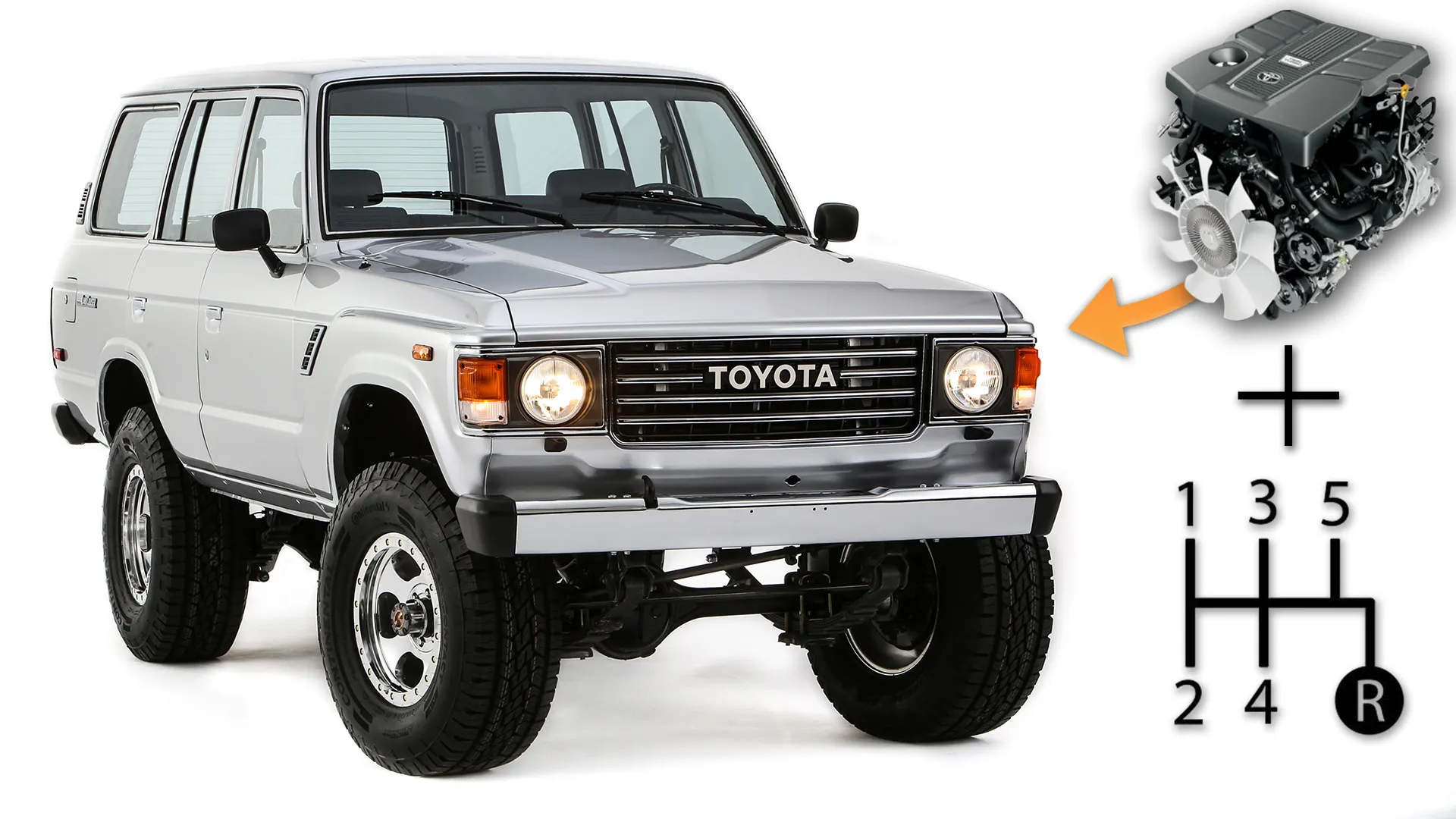
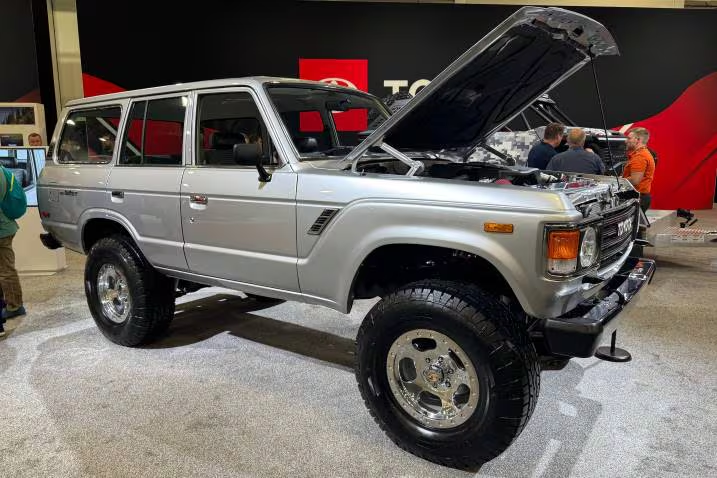
    While the FJ40 often claims the spotlight as the original, indestructible Land Cruiser, many enthusiasts see the FJ60 Land Cruiser as the more versatile classic. Its larger, more usable cabin makes it equally suited for long overland expeditions and everyday driving. At the 2025 SEMA Show, Toyota revealed a restomod built to excite both collectors and off-road adventurers: the Turbo Trail Cruiser, an FJ60 powered by a modern Tundra-sourced twin-turbo V6, while still retaining its original five-speed manual transmission a perfect fusion of heritage and modern capability.

    This build is not just a swap-it’s a careful balance of modern engineering, historic authenticity, and functional off-road upgrades that makes the FJ60 more capable than ever without compromising its original character.

    A Modern Heartbeat: The Tundra Twin-Turbo V6

    The centerpiece of the Turbo Trail Cruiser is Toyota’s V35A-FTS twin-turbo V6, a powerplant shared with the global 300-Series Land Cruiser and modern Tundra pickups. This engine delivers 389 horsepower and 479 lb-ft of torque, a dramatic increase over the FJ60’s original 2F 4.2-liter inline-six, which maxed out at around 135 hp and 210 lb-ft.

    While some restomod projects lean toward swapping in a V8 or even a high-performance LS engine, Toyota’s decision to use a modern V6 paired with the original manual gearbox is both practical and inspired. The build team at Toyota Motorsports Garage engineered custom engine mounts and an adapter plate to marry the modern V6 to the five-speed stick, preserving the tactile feel and engagement that driving enthusiasts crave.

    “This is likely the first time the V35A-FTS has been mated to a stick-shift in a classic FJ60,” said a Toyota spokesperson. “Our goal was to enhance performance without sacrificing the vehicle’s original driving experience.”

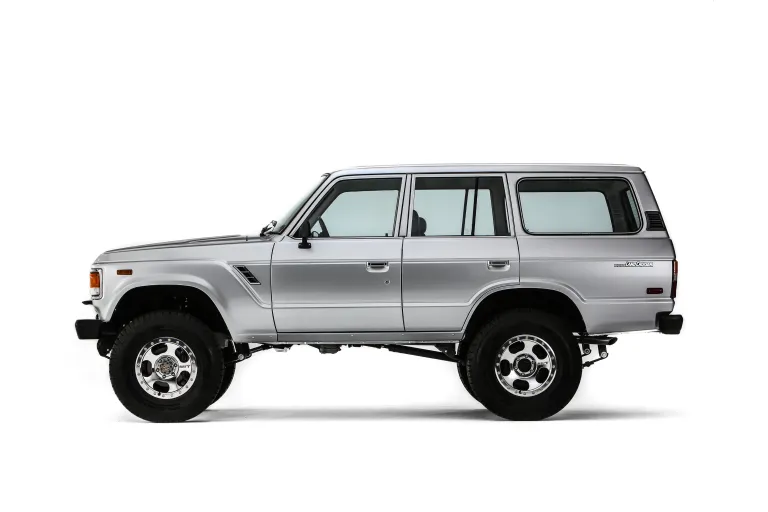
    A 1.5-inch lift, flipped front shackles, and 35-inch all-terrain tires give the FJ60 modern trail capability without altering its classic look.
    A 1.5-inch lift, flipped front shackles, and 35-inch all-terrain tires give the FJ60 modern trail capability without altering its classic look.

    Preserving OEM Authenticity with Thoughtful Engineering

    One of the most remarkable aspects of this build is how factory-like it feels. Toyota emphasized maintaining the FJ60’s structural integrity and original design cues. The crew avoided cutting into the firewall, preserved all original mounting points, and reinforced the chassis where necessary to handle the increased torque.

    The result is what many restorers call an OEM+ build: a classic vehicle that looks and feels original but benefits from modern engineering, safety, and performance. Toyota’s attention to detail is evident throughout the vehicle:

    • The exterior features a PPG reproduction of Silver 147, a classic Toyota color from the 1980s.
    • The suspension was upgraded with a 1.5-inch lift and flipped front shackles to improve off-road geometry.
    • 35-inch Continental all-terrain tires provide both aggressive grip and daily drivability.

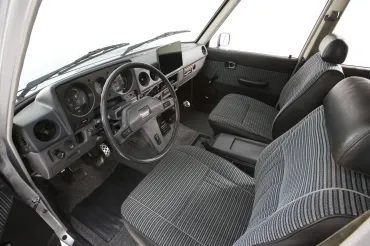
    Inside, the dashboard maintains its vintage appeal, with only subtle modern touches like a touchscreen infotainment system and JBL audio upgrade. From first glance, the cabin could be mistaken for a stock FJ60, but the enhancements deliver comfort, convenience, and modern functionality.

    Turbo Trail Cruiser: A Restomod Designed for Off-Road Adventure

    While this FJ60 may look stock, it’s far from a museum piece. The Turbo Trail Cruiser is engineered to perform on trails, over rocks, and through rugged terrain. The combination of the modern V6 and manual transmission gives the SUV immediate torque delivery for climbing and crawling, while the lifted suspension and 35-inch tires enhance ground clearance.

    The team also upgraded ancillary systems to support reliability in extreme conditions. Cooling, drivetrain durability, and braking performance were all recalibrated to handle the engine’s increased output. Toyota notes that every modification is fully serviceable and retains compatibility with OEM components-a detail crucial for owners who value both performance and long-term maintenance ease.

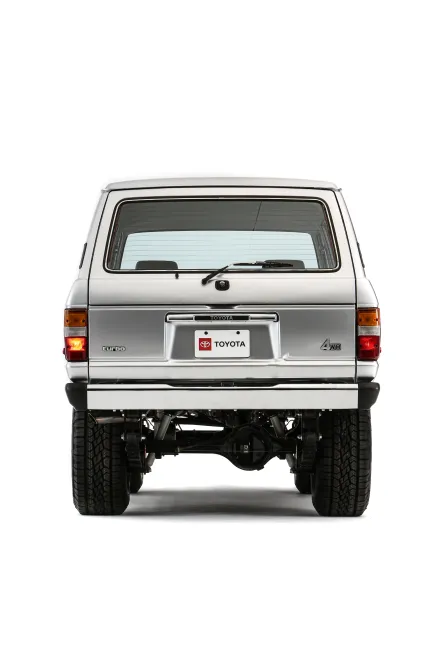
    The Turbo Trail Cruiser retains the timeless FJ60 silhouette while adding subtle OEM+ upgrades for modern off-road performance.
    The Turbo Trail Cruiser retains the timeless FJ60 silhouette while adding subtle OEM+ upgrades for modern off-road performance.

    For enthusiasts who dream of blending classic looks with modern capabilities, the Turbo Trail Cruiser is a blueprint. It proves that a vintage SUV can be daily-drivable, overland-ready, and capable of high-performance highway speeds without sacrificing authenticity.

    The Appeal of OEM+ Restomods in Today’s Market

    Restomods have grown increasingly popular among collectors, enthusiasts, and investors. Cars like the FJ60 Land Cruiser benefit from both nostalgia and practicality, especially when factory reliability is married with modern engineering. By choosing a V6 swap over a V8, Toyota achieved better weight distribution and improved fuel efficiency while maintaining a performance edge.

    The Turbo Trail Cruiser also showcases Toyota’s philosophy that modernization doesn’t have to mean exaggeration. Rather than radically altering the vehicle’s exterior or interior, Toyota’s team prioritized subtle enhancements that improve usability while preserving heritage. This approach resonates with the growing off-road and overland community, who seek vehicles that can tackle trails without looking out of place at a car show or local gathering.

    Why the Turbo Trail Cruiser Stands Out

    Several aspects of this restomod elevate it above typical SEMA show cars, showcasing Toyota’s commitment to thoughtful engineering, factory-level refinement, and real-world usability rather than purely visual spectacle or one-off showpiece modifications:

    1. Powertrain Innovation: A modern twin-turbo V6 with manual gearbox is virtually unheard of in classic Toyota Land Cruisers.
    2. Factory-Faithful Engineering: No cutting of the firewall or compromise to the chassis ensures structural integrity.
    3. Daily Usability: Despite the lift and off-road tires, the vehicle remains road-friendly and comfortable for daily driving.
    4. Aesthetic Respect: Original colors, trim, and minimal interior upgrades maintain visual authenticity.
    5. Off-Road Performance: Suspension tweaks and tires optimize the FJ60 for modern trail conditions.

    Toyota has created a restomod that is both collectible and functional, a combination that can appeal to traditional collectors, off-road enthusiasts, and anyone seeking a classic SUV with modern power.

    A closer look at the details that set the Turbo Trail Cruiser apart from its OEM+ engineering to its blend of modern performance and classic Land Cruiser character.
    A closer look at the details that set the Turbo Trail Cruiser apart from its OEM+ engineering to its blend of modern performance and classic Land Cruiser character.

    Seeing the Turbo Trail Cruiser in Person

    For those eager to experience this FJ60 restomod firsthand, Toyota is displaying the Turbo Trail Cruiser at the 2025 SEMA Show in Las Vegas, running from Nov. 4 through Nov. 7. Visitors will see firsthand how a vintage Land Cruiser can be transformed into a capable, modern SUV without losing its classic charm.

    This build also sets a precedent for future Toyota restomods, signaling that the automaker is willing to explore OEM+ concepts, blending authenticity with practicality. For collectors and enthusiasts, the Turbo Trail Cruiser demonstrates that restomods can respect history while embracing modernity.

    Final Thoughts

    The Turbo Trail Cruiser represents a thoughtful intersection of heritage and innovation. By pairing a modern Tundra V6 with the FJ60’s classic five-speed manual, Toyota has created a vehicle that appeals to multiple audiences: collectors seeking originality, enthusiasts craving performance, and adventurers wanting reliability on the trail.

    In an era where many restomods favor extreme aesthetics or massive V8 swaps, Toyota’s FJ60 project shows that balance, authenticity, and functionality can be equally compelling. For anyone who has ever admired the FJ60’s rugged charm, the Turbo Trail Cruiser demonstrates that the perfect blend of old and new is not only possible-it’s exhilarating.With off-road capability, modern power, and OEM+ styling, this SEMA build may very well become the benchmark for future Toyota Land Cruiser restomods.

  • $30K in Anti-Theft Mods? This Ram TRX Owner Made Sure His Hellcat Pickup Isn’t Going Anywhere

    $30K in Anti-Theft Mods? This Ram TRX Owner Made Sure His Hellcat Pickup Isn’t Going Anywhere


    After a single attempted theft, one Ram TRX owner invested tens of thousands to make his Hellcat-powered truck virtually untouchable.

    Ram TRX enthusiasts already know that the Hellcat engine makes the high-performance pickup a prime target for thieves. But Jay, a truck owner and co-host of the Truck Show Podcast, took extreme measures after a near-miss incident left him determined to protect his $90,000+ desert-running beast. The result? Over $30,000 in aftermarket security mods, transforming his TRX into one of the most fortified trucks on the market.

    The Theft Attempt That Sparked a Security Overhaul

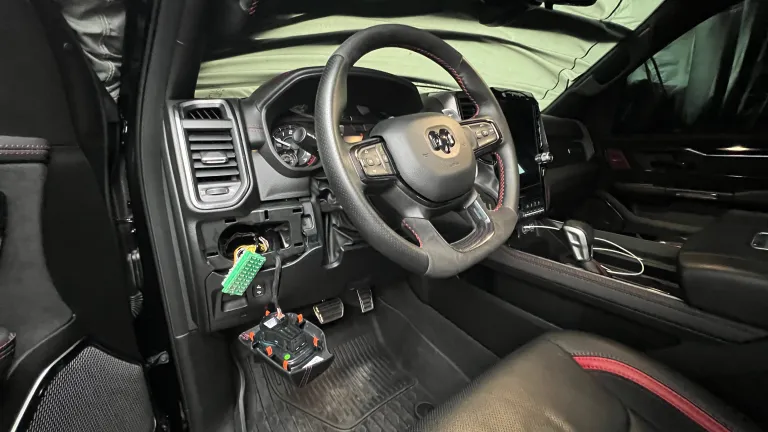
    It all began shortly after Jay had an IGLA immobilizer installed on his TRX. This advanced anti-theft device disrupts the truck’s CAN bus signals, preventing engine start unless the correct PIN is entered via buttons on the steering wheel. The installation process itself is secretive—Jay was not permitted to see where the unit was placed.

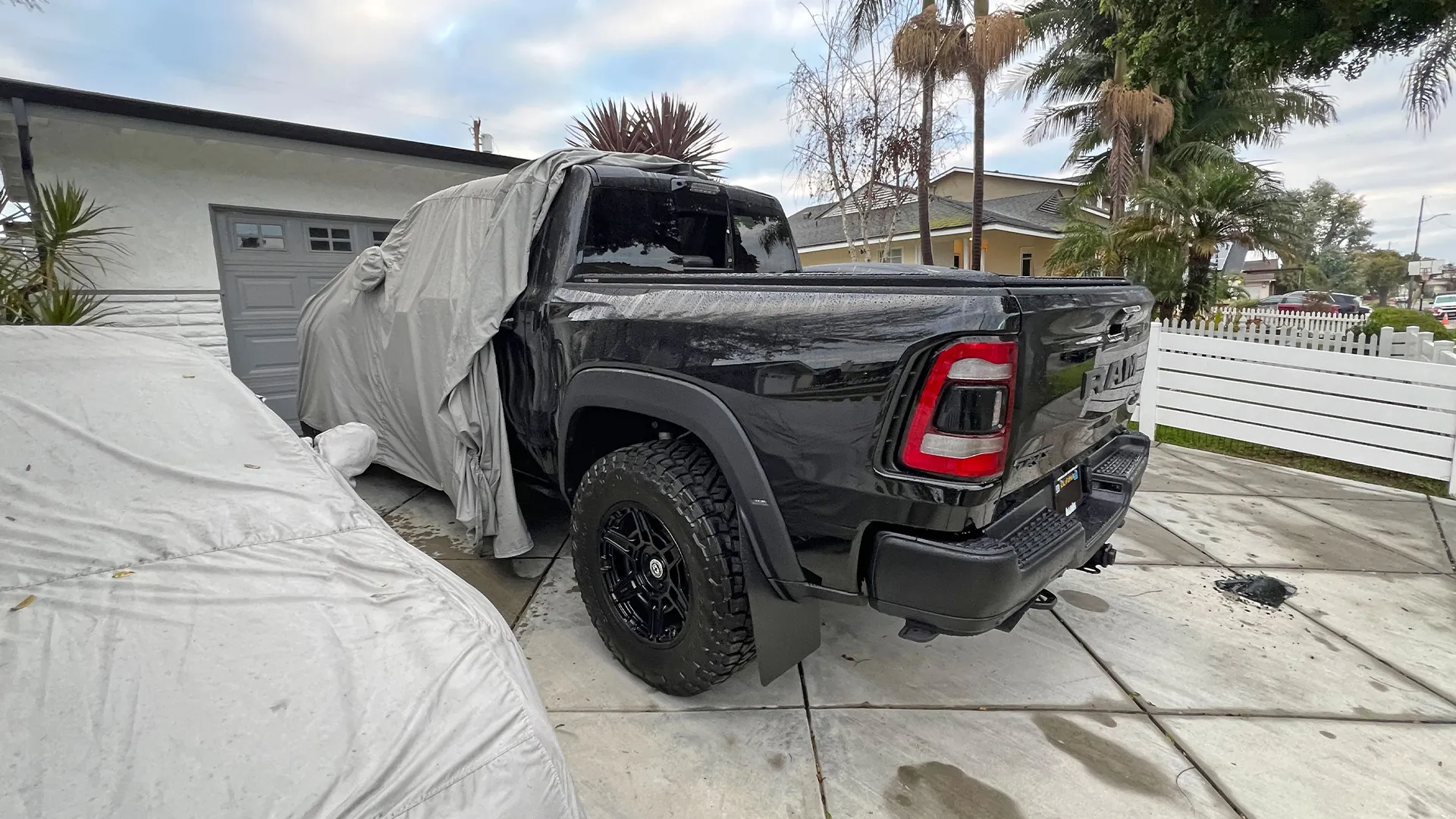
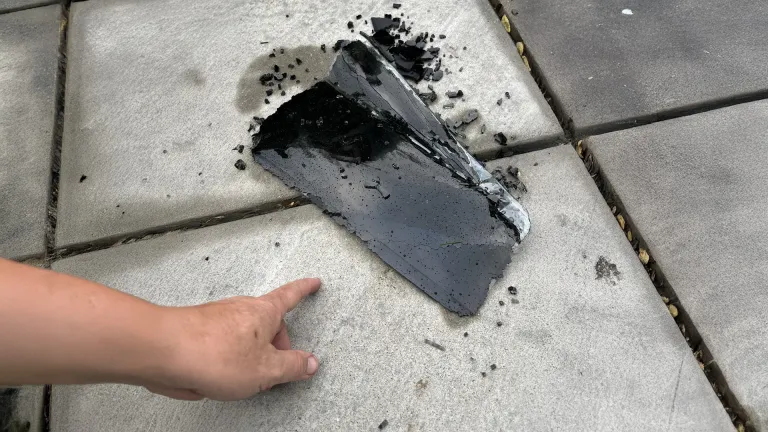
    Just days later, a Saturday morning alarm brought the threat into sharp focus. Jay’s wife noticed the truck’s custom car cover displaced and glass scattered across the tonneau cover. A quick inspection revealed that the TRX’s rear window had been effortlessly shattered—an all-too-common tactic among thieves targeting Dodge pickups. The IGLA immobilizer, however, prevented the would-be thieves from driving away.

    Jay credits the IGLA device for keeping his truck running. Courtesy of Jay.
    Jay credits the IGLA device for keeping his truck running. Courtesy of Jay.

    According to Jay, “You can take a hammer or center punch to the back window, and the whole thing just shatters. If your truck has window tint, thieves can slither through in seconds. I’ve watched countless videos of this.” With replacement parts taking weeks to arrive and the TRX’s limited production—approximately 15,000 units per year between 2021 and 2024—he knew proactive measures were essential.

    Investing in Layers of Protection

    Jay’s first line of defense included a Compustar alarm system with GPS tracking, motion sensors, and a visible indicator light to deter intruders. To reinforce the glass, he added 3M shatterproof window film over his factory tint. But he didn’t stop there.

    Recognizing vulnerabilities in the TRX’s factory alarm, Jay installed twin 100-watt Feniex police sirens, blasting the highway patrol “move over” tone until deactivated. The neutral override was also disabled to prevent thieves from flat-towing the truck without authorization.

    “I watched too many videos of guys driving stolen trucks through gates or over walls,” Jay explained. “These bollards are 316 stainless steel, buried 54 inches deep, and stop a 5,000-pound vehicle at 25 mph. They were an absolute must.” Each bollard cost $850 initially, with installation adding $2,000—meaning a current full install would total nearly $14,000 for four units alone.

    This setup would be a dream for the LockPickingLawyer. Courtesy of Jay.
    This setup would be a dream for the LockPickingLawyer. Courtesy of Jay.

    Why the TRX is a Hot Target

    The Ram TRX isn’t just any truck—it’s a Hellcat-powered pickup with 702 horsepower and a supercharged V8, making it a high-demand target for theft rings and chop shops. Muscle car enthusiasts already know the Dodge Charger Hellcat frequently tops theft reports, with the Highway Loss Data Institute noting it’s over 60 times more likely to be stolen than the average vehicle. For the TRX, limited production amplifies the risk.

    Jay explained it bluntly: “Thieves want the Hellcat engine. You never hear about Ford Raptors getting swiped as much, but if it has a Hellcat, you can bet it’s on the radar.”

    Security Mods That Turn Heads

    Jay’s comprehensive security setup includes:

    • IGLA immobilizer with stealth installation
    • Compustar aftermarket alarm with GPS tracking and motion sensors
    • 3M shatterproof window film layered over factory tint
    • Feniex dual siren setup to mimic police warnings
    • Disabled neutral override to prevent flat-towing
    • Infrared driveway sensor triggering audible alerts
    • Stainless steel retractable bollards at entry points

    In total, Jay estimates $30,000 invested in security upgrades, excluding the bollards. For context, his YouTube video detailing the installation went viral, amassing 69 million views, with follow-ups surpassing 8.5 million—highlighting the broader interest in anti-theft strategies for high-value trucks.

    A Lesson for TRX Owners

    Jay’s story isn’t just about one heavily fortified pickup; it’s a cautionary tale for all Ram TRX owners, or any vehicle equipped with a high-performance Hellcat engine. While standard theft deterrents may suffice for everyday trucks, rare and powerful pickups like the TRX demand layered security solutions. From immobilizers to reinforced glass and even physical barriers like bollards, the risk of theft in high-demand markets is real—and potentially costly.

    As trucks like the Ram TRX gain popularity, aftermarket security modifications are becoming essential for owners who want to protect both their investment and peace of mind. For Jay, it was a one-time wake-up call that turned his prized Hellcat pickup into a fortress on wheels—proof that when it comes to anti-theft measures, you can never be too prepared.