Blog

  • 2026 Nissan Rogue Plug-In Hybrid Debuts as a Lightly Reworked Mitsubishi Outlander PHEV

    2026 Nissan Rogue Plug-In Hybrid Debuts as a Lightly Reworked Mitsubishi Outlander PHEV

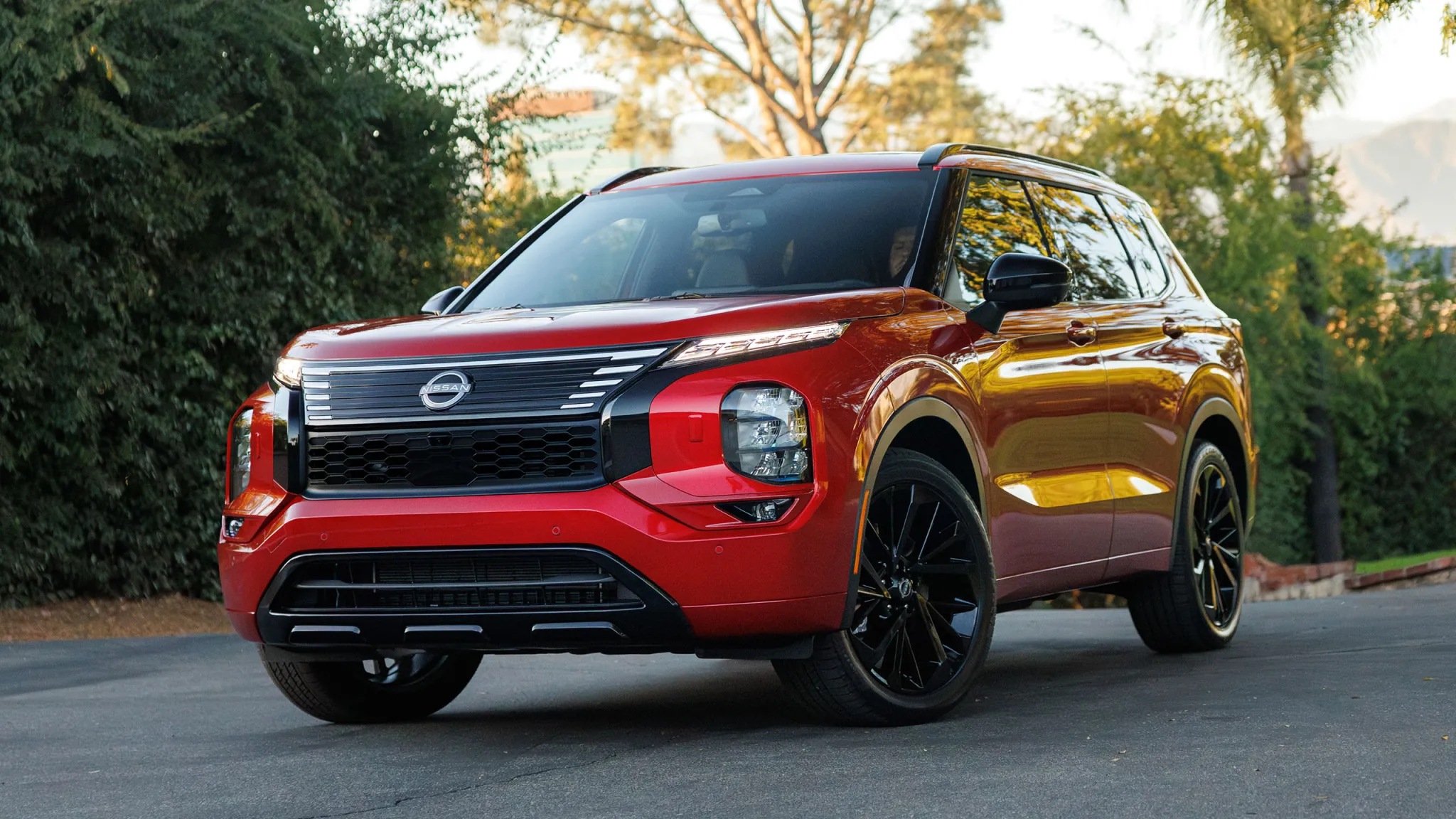
    Nissan is finally entering the plug-in hybrid SUV segment, but its approach isn’t what most shoppers expected. For 2026, the automaker is introducing the Nissan Rogue Plug-In Hybrid, a model that shares far more than DNA with the Mitsubishi Outlander PHEV-it’s essentially the same vehicle with subtle Nissan touches.

    For years, the Rogue has been Nissan’s top seller thanks to practicality and value rather than bold innovations. But as rivals roll out electrified SUVs and expand their plug-in hybrid lineups, Nissan is stepping into the game by leveraging its longtime partnership with Mitsubishi. Instead of engineering a PHEV version of the Rogue from scratch, Nissan chose to rebadge the Outlander PHEV with minimal aesthetic changes.

    A Familiar Shape With a Nissan Badge

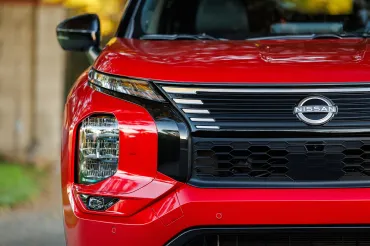
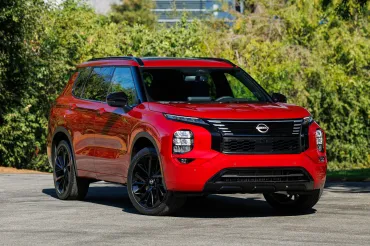
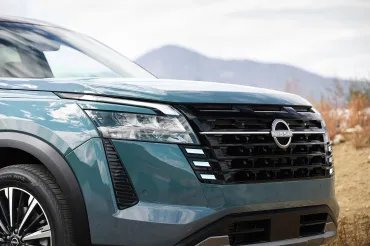
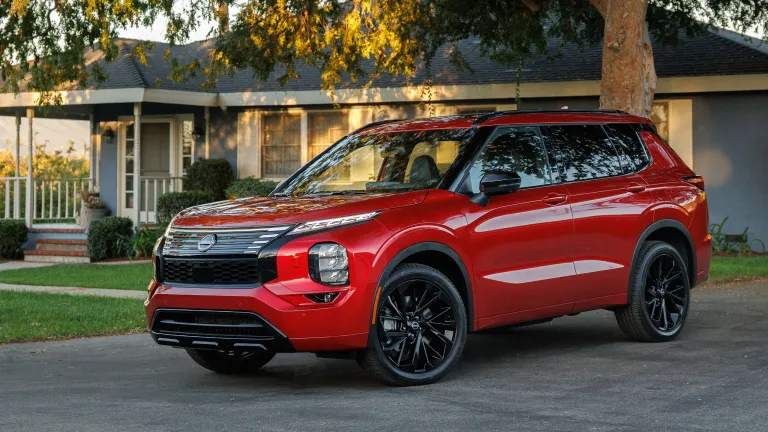
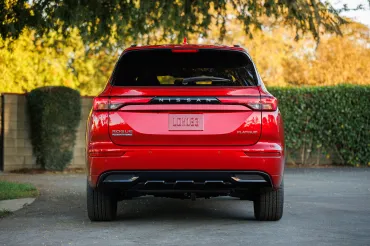
    The resemblance between the two SUVs is unmistakable. The bodywork, lighting signature, and overall proportions remain effectively identical to the Mitsubishi model. Nissan’s designers only darkened the upper section of the grille and added small styling cues to emulate the Rogue’s signature V-motion front end. Even the taillight design carries over, though Nissan links them with a blacked-out trim piece similar to the treatment on the Pathfinder.

    Seeing classic Mitsubishi colors like Red Diamond on a vehicle wearing a Nissan logo is unusual-and a reminder of how closely the two brands collaborated on this project.
    Same Plug-In Hybrid Powertrain, Same Capability

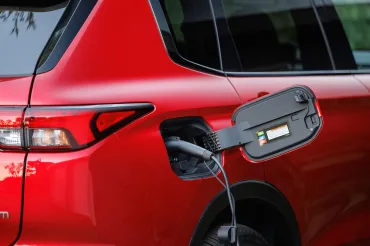
    Under the hood, the technical package mirrors the Outlander PHEV without deviation. The 2026 Rogue Plug-In Hybrid will launch in two trims-SL and Platinum-and both share the following mechanical specs:

    • 38 miles of estimated electric-only range from a 20-kWh battery
    • 420 miles total range with the 2.4-liter four-cylinder engine operating
    • 131 hp from the gasoline engine alone
    • 248 hp combined system output with dual electric motors
    • 332 lb-ft of torque delivered through standard all-wheel drive
    • Level 2 home charging time: ~7.5 hours
    • EPA-estimated 64 MPGe, or 26 mpg running solely on gasoline

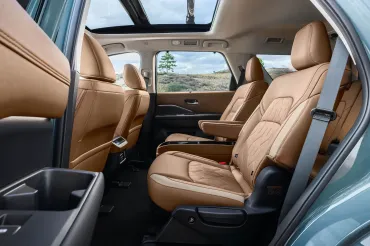
    Because the Outlander PHEV offers a third row, the Rogue Plug-In Hybrid inherits that rare feature in the compact SUV class-something the standard Rogue does not include.

    Interior Trim Levels and Features

    Nissan says pricing will be announced closer to the model’s arrival in showrooms early next year. However, equipment differences between the two grades have been confirmed.

    The top-spec Platinum adds several premium upgrades over the SL, including:

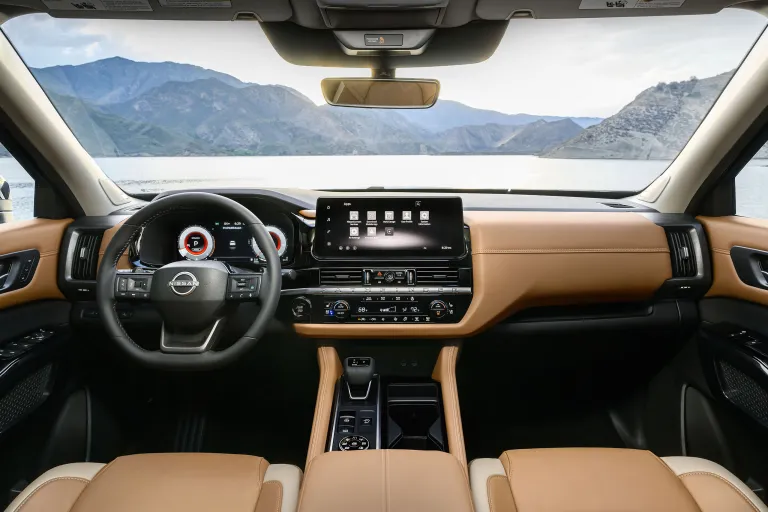
    • 10-inch head-up display
    • Panoramic sunroof
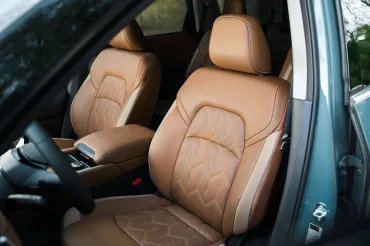
    • Leather seating
    • Heated steering wheel
    • Bose nine-speaker audio system
    • Two 120-volt household-style outlets for rear passengers and cargo area

    For buyers trying to estimate potential cost, the closely related 2025 Mitsubishi Outlander PHEV currently starts at $42,190-a likely reference point for Nissan’s pricing strategy.

    A Strategic Shortcut Into the PHEV Market

    By using the Outlander PHEV as a foundation, Nissan fast-tracks its entry into the increasingly competitive plug-in hybrid SUV segment. While the approach may raise eyebrows among enthusiasts expecting a more distinct Rogue PHEV, the move gives Nissan a proven powertrain, competitive electric range, and an immediate foothold in a fast-growing category.The 2026 Nissan Rogue Plug-In Hybrid arrives in the U.S. early next year, adding another electrified option for families seeking efficiency without abandoning gasoline entirely.
  • Europe’s Honda Prelude Is Even Slower-And Significantly More Expensive

    Europe’s Honda Prelude Is Even Slower-And Significantly More Expensive

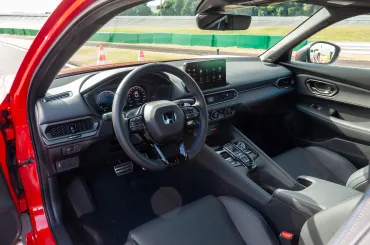
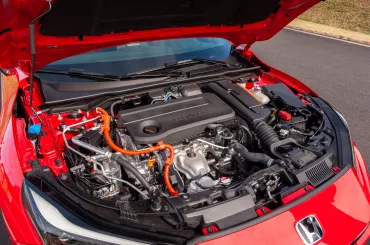
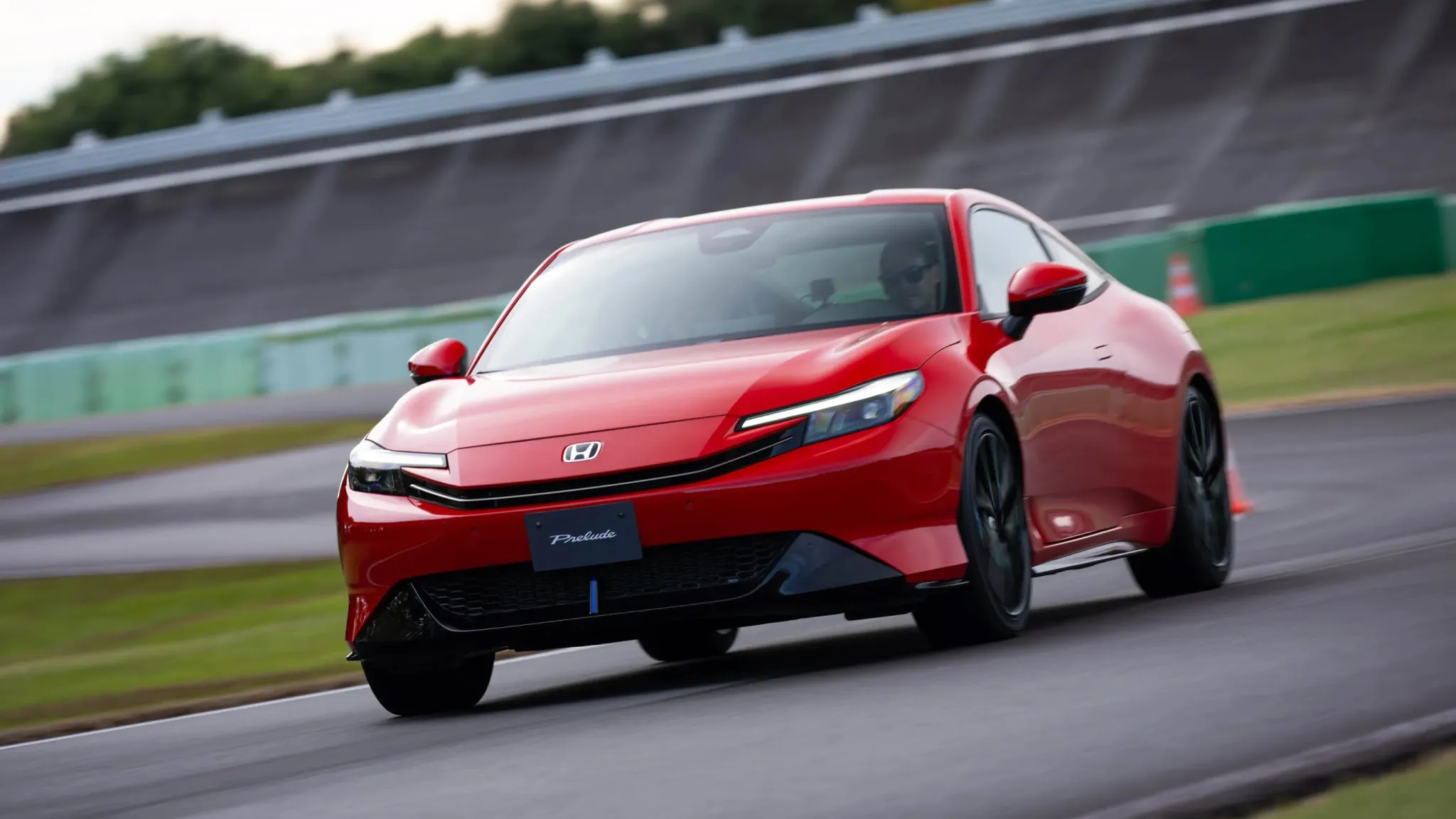
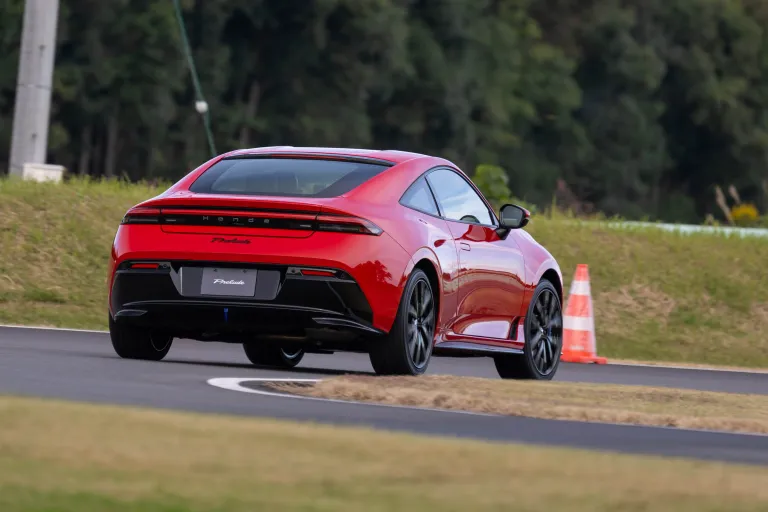
    Honda’s revival of the Honda Prelude has stirred plenty of debate among enthusiasts, and now the European-spec model is adding more fuel to the fire. While the U.S. and Japan will get a hybrid Prelude producing 200 horsepower, the version destined for Europe will deliver just 181 horsepower-almost a 10% drop in power-thanks to local emissions regulations and regional engine tuning. And despite offering less performance, the Euro-spec Prelude will actually cost more.

    Honda confirmed that the 2026 Prelude for Europe will launch at £39,595 before taxes, which converts to roughly $52,150-a substantial increase over the “about $42,000” price Honda expects for the U.S. market. The new Prelude’s pricing and performance numbers have already raised eyebrows in North America, but the European package makes the coupe’s value proposition even tougher.

    Why Europe Gets Less Power

    The difference starts with the powertrain. Like the U.S. model, the European Prelude borrows the hybrid setup from the Civic Hybrid and shares structural elements with the Civic Type R. However, the current European-market Civic Hybrid has always produced 181 hp, compared to the American version’s 200 hp. Both regions share the same 232 lb-ft of torque, so drivability should remain similar, but the drop in power contributes to a noticeably slower car.

    Early numbers from Car magazine in the U.K. show the Euro-spec Prelude hitting 0–60 mph in 8.2 seconds, barely quicker than a fully loaded European Civic Hybrid. For a coupe marketed with performance heritage-even as Honda positions it as more of a budget grand tourer than a true sports car-that figure will be difficult for some buyers to ignore.

    Is 20 Horsepower a Big Deal?

    On paper, 20 horsepower may not seem like a drastic difference. But when a car only makes 200 hp, and competes in a small niche of affordable hybrid coupes, every bit of output matters. The U.S. Prelude already faces criticism for costing only a few thousand less than the Civic Type R, which offers dramatically higher performance. In Europe, where the starting price jumps past £39,000, the comparison becomes even starker.

    Still Worth Driving? Early Impressions Say Yes

    Not all things are as grim as they appear. Early impressions from testers-including a brief drive by journalist Joel Feder of Motor Authority-suggest the Prelude still delivers enjoyable handling, a refined hybrid system, and standout styling. Enthusiasts have praised the car’s design, calling it one of Honda’s most striking coupes in years.

    The global coupe market has been shrinking for over a decade, and the Prelude fills a space with almost no direct competitors. That creates opportunity-but also uncertainty. The question now is whether enough buyers want its blend of efficient hybrid performance, comfort-focused tuning, and classic two-door design.

    What Comes Next for the Prelude?

    Sales in Japan have started stronger than expected, but the U.S. response may prove more telling, given the car’s price-sensitive, performance-oriented audience. Europe, meanwhile, presents the biggest challenge: higher taxes, stricter emissions rules, and a higher sticker price with lower power output.Whether the European Honda Prelude can succeed with 20 horsepower tied behind its back remains to be seen, especially in a region where buyers often expect more performance from a coupe wearing a storied nameplate.

  • Mercedes-Benz GLB: The Compact SUV Now Comes with a Massive Screen Overhaul

    Mercedes-Benz GLB: The Compact SUV Now Comes with a Massive Screen Overhaul

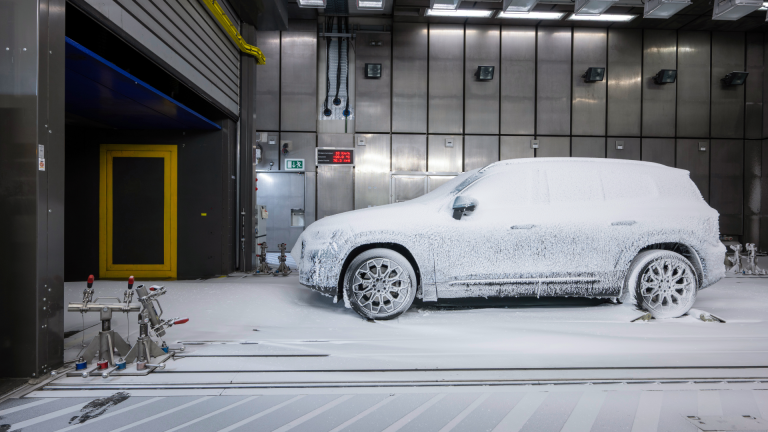
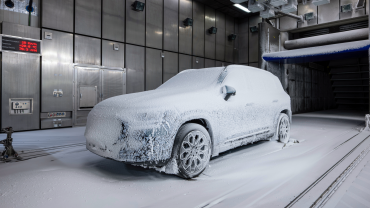
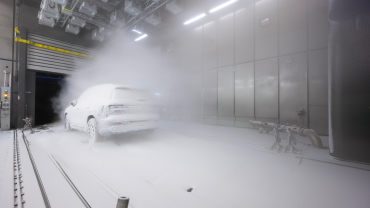
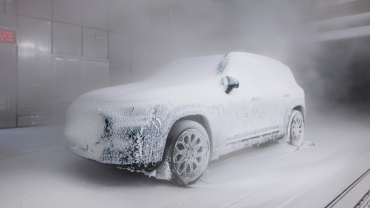
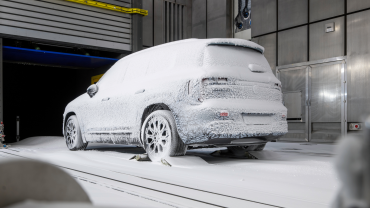
    Mercedes-Benz’s smallest three-row SUV is about to receive one of its biggest interior upgrades yet. The next-generation Mercedes-Benz GLB has resurfaced—this time not through spy photos, but through official images released by the automaker showcasing the compact luxury SUV undergoing extreme cold-weather testing. The prototype is blanketed in frost after a session inside a climate-controlled wind tunnel, cleverly hiding any exterior changes. But the real news is what’s happening inside.

    A Fully Exposed Cabin Reveals a “Superscreen” Dashboard

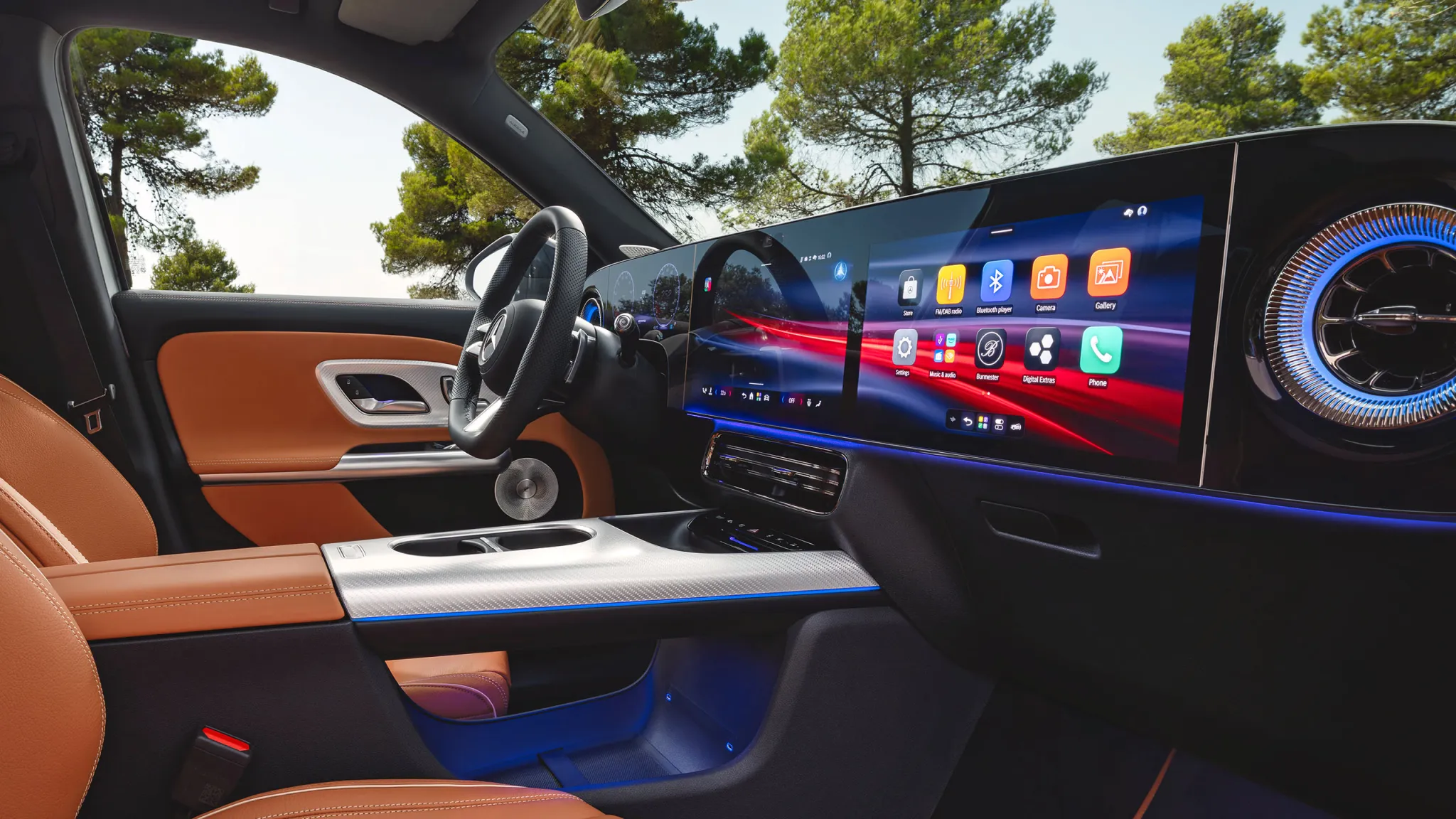
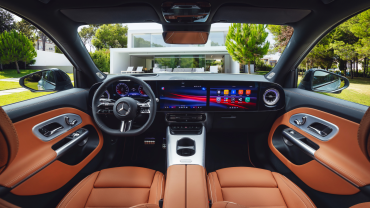
    While the ice-covered exterior keeps the GLB’s new sheetmetal a mystery, Mercedes has lifted the curtain on the SUV’s revamped cabin. The headline feature is the brand’s optional Superscreen, a wide, dashboard-spanning display setup that sits below the more advanced Hyperscreen used in its flagship electric models.

    Based on the images, the Superscreen consists of:

    • A large central infotainment display
    • A matching passenger-side display
    • A slightly smaller digital instrument cluster behind the steering wheel

    Together, they form a “wall of screens” that transforms the GLB’s interior into a modern digital cockpit, aligning the model with Mercedes-Benz’s latest technology-first design philosophy. The company didn’t release exact specifications, but the visuals make clear that the GLB is moving decidedly upmarket in terms of in-car tech.

    Ambient Lighting and Panoramic Roof Get a Stylish Upgrade

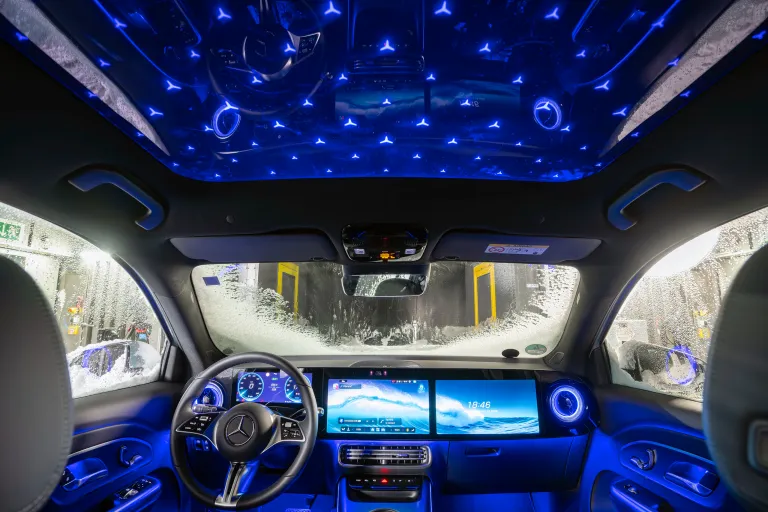
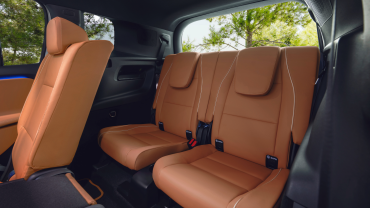
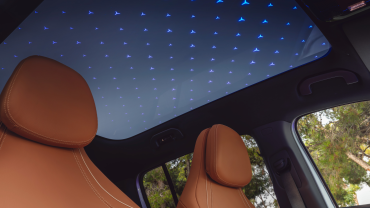
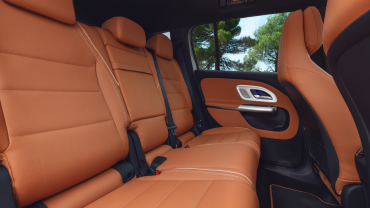
    Mercedes also highlighted new interior ambient lighting, including a star-pattern LED effect integrated into the panoramic roof sunshade—another upscale touch borrowed from the brand’s higher-tier models. For a subcompact SUV, the GLB continues to stand out with its clever packaging, making room for an optional third row. The new photos reaffirm that the high roof line remains, preserving headroom for passengers beyond the second row.

    Frost Hides Exterior Tweaks, but the Family Shape Remains

    The thick frost built up during the GLB’s wind-tunnel test disguises most of the exterior design. However, the prototype still clearly carries its signature boxy silhouette and tall rear roof—key for practicality and cargo space in the compact SUV segment. Even the snowflake-style wheels seem intentionally seasonal, as though Mercedes wanted the cold-weather theme to feel complete.

    Full Reveal Coming December 8

    Mercedes-Benz confirmed that the next-generation GLB will make its official debut on December 8. Given what the brand has shown so far—a tech-heavy interior, a redesigned infotainment architecture, and upgraded lighting—the refreshed GLB appears poised to strengthen its position in the compact luxury SUV market.

    Stay tuned for full details when Mercedes drops the cover next month.

  • This 1934 Cadillac That Influenced Europe’s Finest Cars Is Now Up for Sale

    This 1934 Cadillac That Influenced Europe’s Finest Cars Is Now Up for Sale

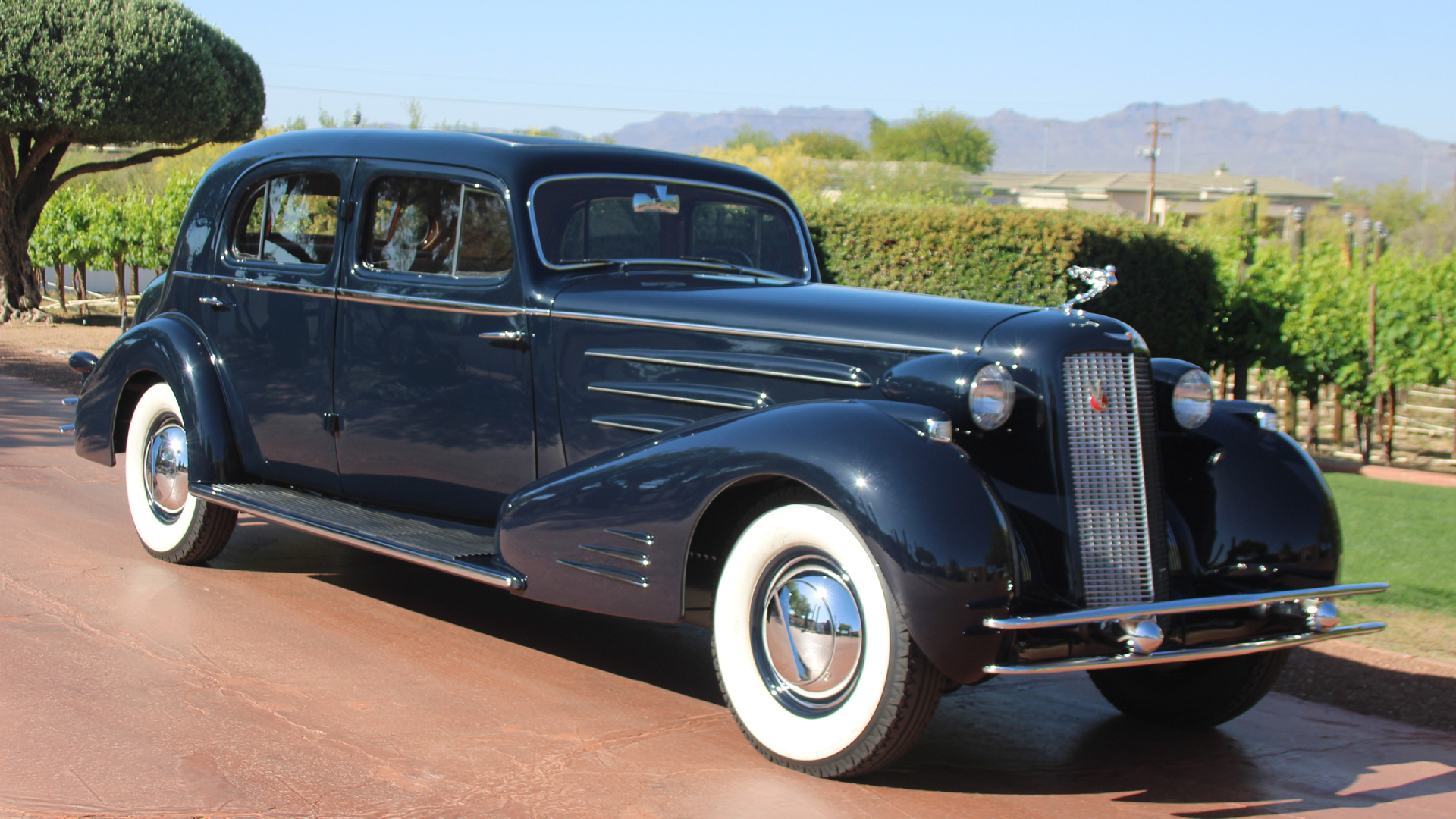
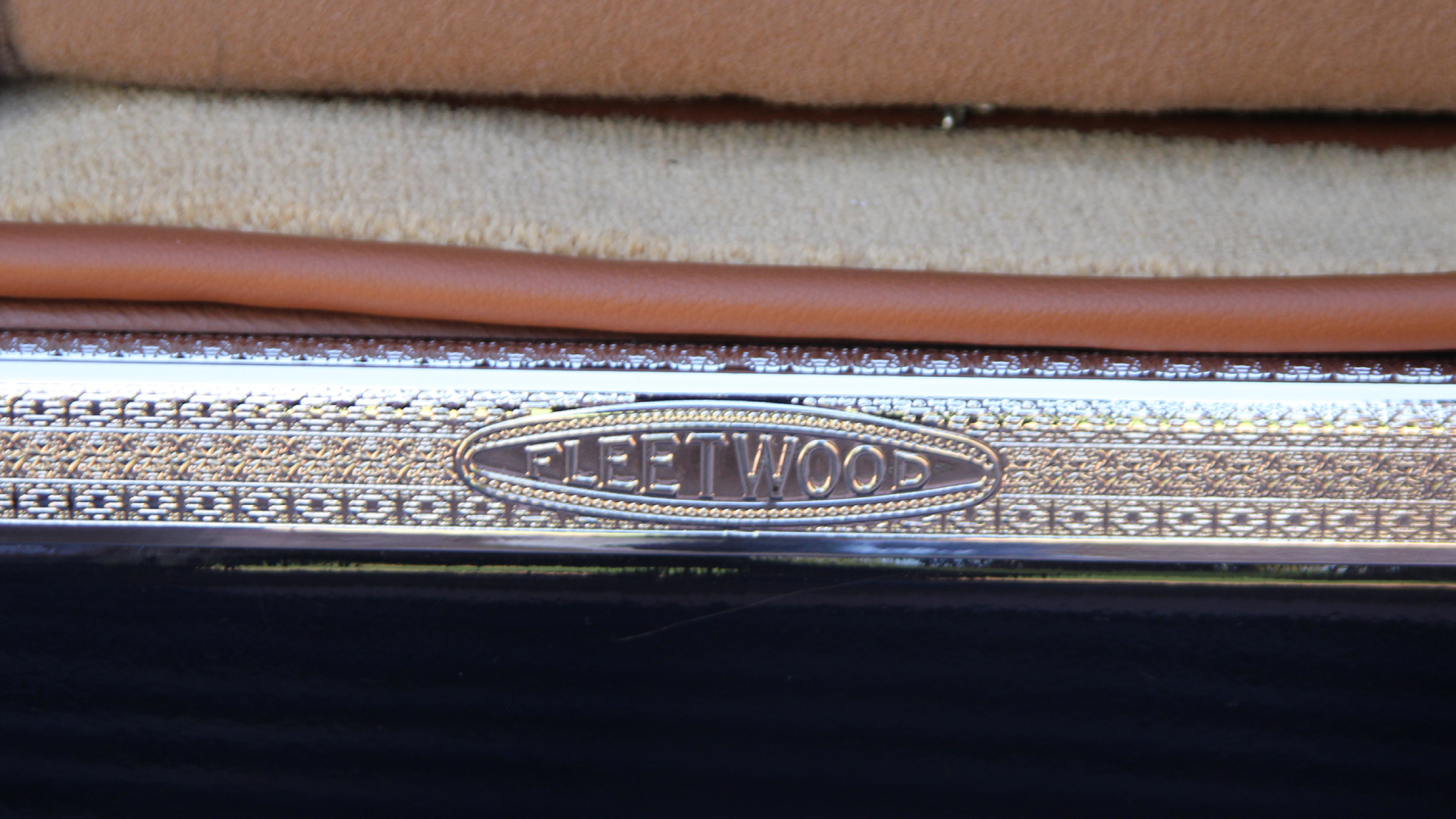
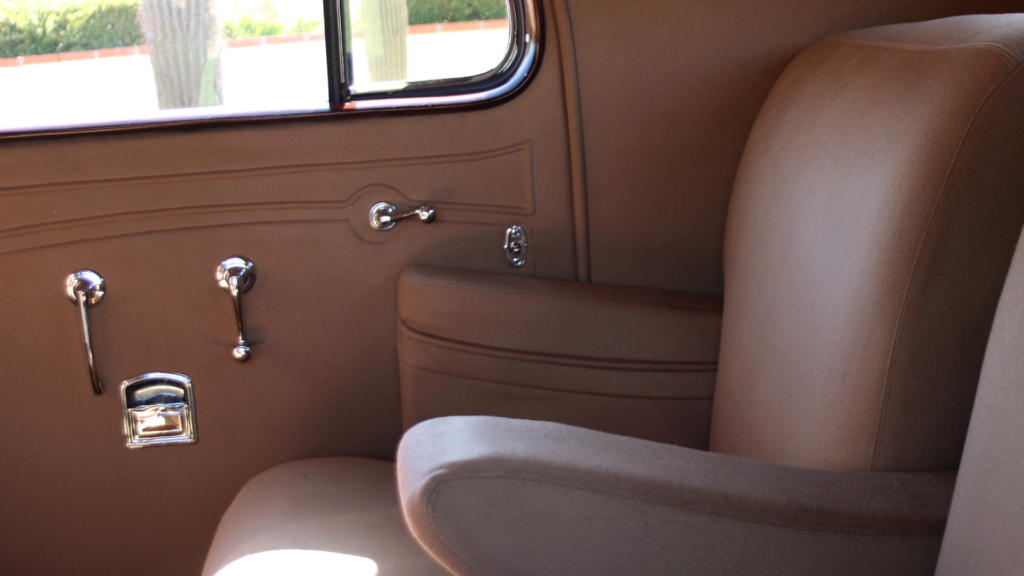
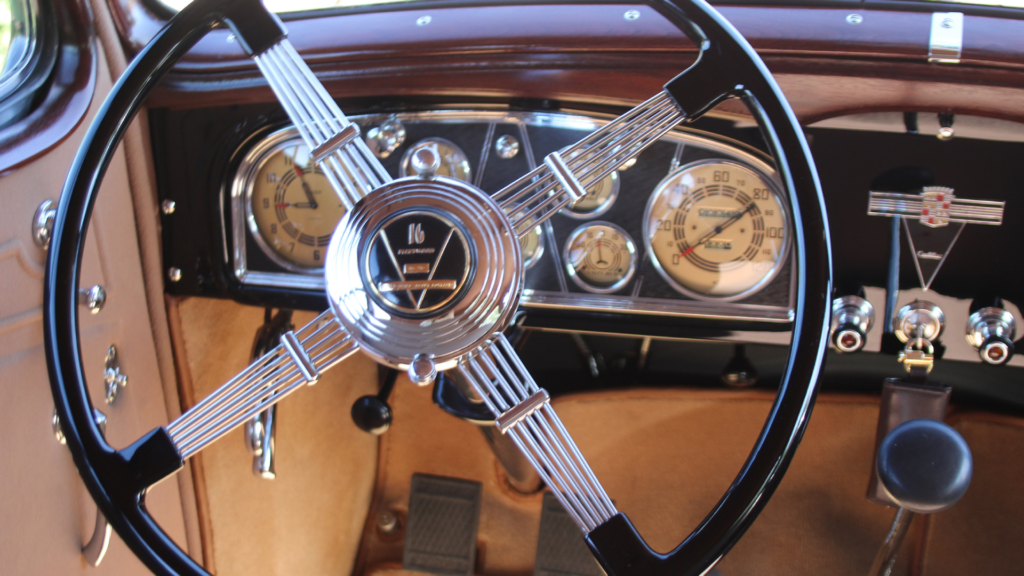
    More than eight decades ago, Cadillac held a reputation so strong that “the standard of the world” was not a marketing slogan-it was an accepted truth. Few vehicles embodied that era of American engineering supremacy more than the 1934 Cadillac Fleetwood, a Depression-era luxury car so advanced that leading European manufacturers, including Rolls-Royce, sought to study and reverse-engineer it.

    Now, one of the rarest survivors of that era-a 1934 Cadillac Fleetwood V-16, chassis #5100024-is officially for sale following a decade-long restoration.

    A Nearly Century-Old Blueprint for Modern Car Engineering

    Though approaching 100 years old, the 1934 Cadillac showcased engineering solutions still visible in modern automotive design. It was among the earliest American cars to feature a Hypoid rear differential, enabling a lower floor and more usable cabin space-a priority that continues to shape contemporary vehicle packaging.

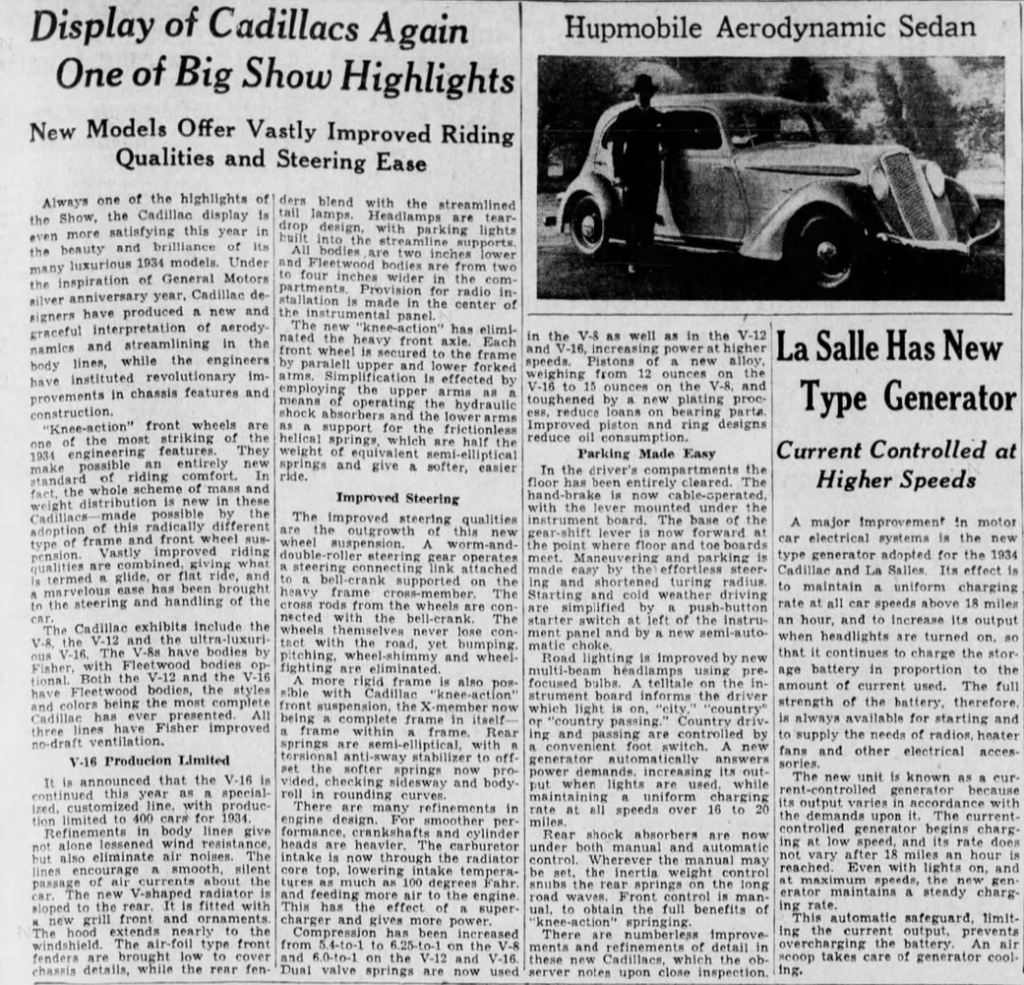
    Cadillac display under the spotlight at the 1934 Detroit Auto Show.
Source: Detroit Free Press, January 21, 1934, p. 17 (Newspapers.com).
    Cadillac display under the spotlight at the 1934 Detroit Auto Show. Source: Detroit Free Press, January 21, 1934, p. 17 (Newspapers.com).

    Cadillac also introduced its new “Knee-action” independent front suspension that same year, a major departure from the carriage-like setups still common on mainstream cars of the early 1930s. Additional innovations included a push-button starter, semi-elliptical leaf springs, a voltage-regulated alternator producing consistent headlight brightness, and even toe-activated high beams-a novelty at the time.

    Inside, designers pushed for a cleaner, more functional cabin layout. Period reporting from the Detroit Free Press noted the fully cleared floor, a cable-operated handbrake tucked under the dashboard, and a forward-mounted gear lever-early steps toward the ergonomic cabin organization modern drivers take for granted.

    The Engines Europe Wanted to Copy

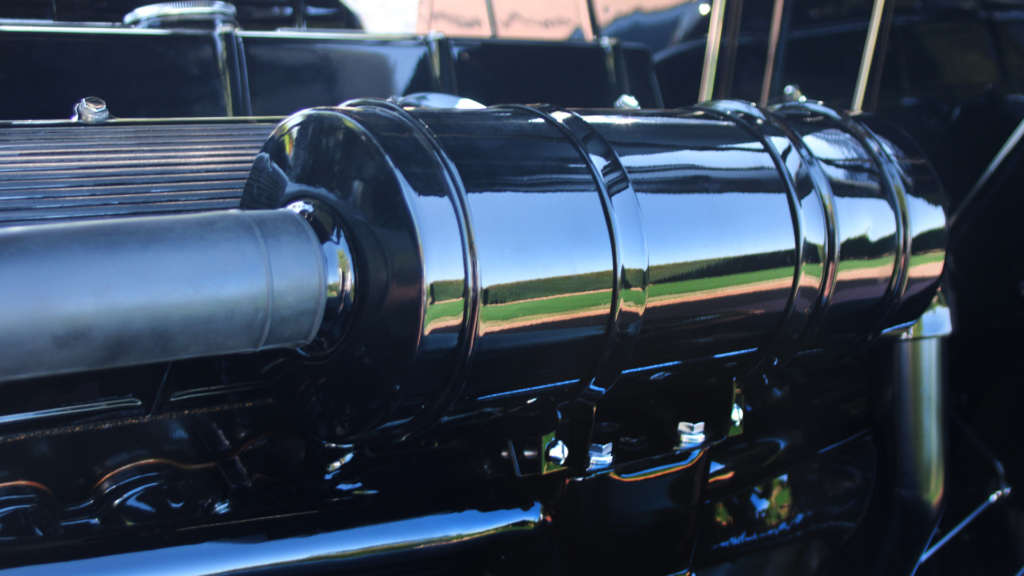
    Under the hood is where Cadillac truly separated itself. The 1934 model year was offered with three engines-a V-8, V-12, and the flagship V-16. Compression increases and redesigned pistons improved performance and reduced oil consumption. A new dual valve-spring system enabled smoother operation at higher RPMs.

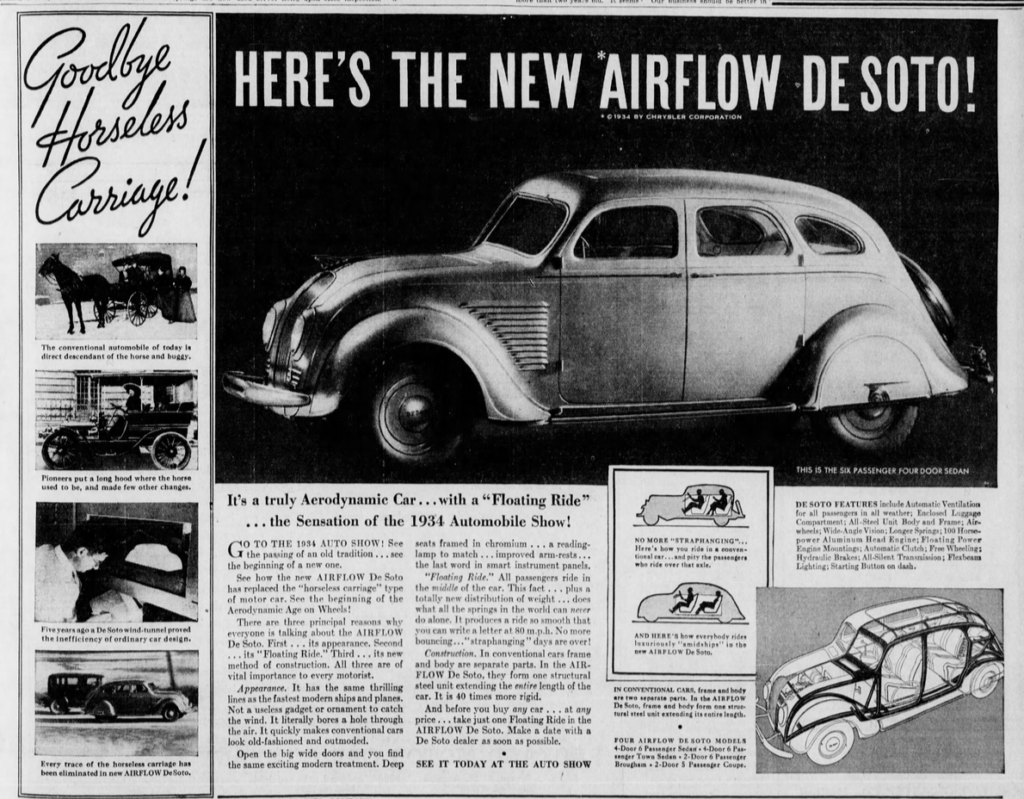
    A 1934 De Soto advertisement highlighting modern chassis advancements over early “horseless carriages.”
Detroit Free Press, January 21, 1934, p. 17 (via Newspapers.com).
    A 1934 De Soto advertisement highlighting modern chassis advancements over early “horseless carriages.” Detroit Free Press, January 21, 1934, p. 17 (via Newspapers.com).

    The V-16, measuring 549 cubic inches (roughly 9.0 liters), produced 185 horsepower, with most of its torque available just off idle. While the numbers may sound modest today, the refinement and smoothness of this large-displacement engine made it an engineering marvel in its time.

    Only the V-12 and V-16 models received the coveted Fleetwood bodies, Cadillac’s most prestigious and exclusive coachwork option.

    The Cadillac That Captivated Bentley and Rolls-Royce

    One example-this very Fleetwood V-16-was shipped to Europe shortly after production. Walter Owen Bentley, then working under the Rolls-Royce Motor Cars umbrella after his own company’s acquisition, spent a year driving the Cadillac roughly 10,000 miles. The purpose: to evaluate and study its engineering in hopes of influencing future British luxury cars.

    The Fleetwood V-16 Cadillac evaluated in Europe by W. O. Bentley, who drove the car nearly 10,000 miles while studying its engineering for potential influence on future British luxury automobiles.
    The Fleetwood V-16 Cadillac evaluated in Europe by W. O. Bentley, who drove the car nearly 10,000 miles while studying its engineering for potential influence on future British luxury automobiles.

    Bentley eventually moved on to Lagonda in 1935, but Rolls-Royce engineers continued examining the car. Historical accounts suggest the Cadillac was eventually sold to the British government for use by the U.S. Embassy, likely serving under Ambassador Joseph P. Kennedy.

    World War II and the economic aftershocks of the Depression delayed much of the innovation inspired by Cadillac, but the car’s influence on European luxury engineering was undeniable.

    A Luxury Car With a Price Tag to Match

    In 1930, a Cadillac Fleetwood cost nearly $5,000, a staggering sum during the global economic downturn. Despite its elite status, used models depreciated heavily through the late 1930s. Classified ads from the era show V-12 and V-16 Fleetwoods listed for as little as $1,600-more than 50% depreciation within a few years.

    Most Fleetwoods saw limited use, as daily commuting was uncommon. Many executives drove them only between city residences and country estates, meaning surviving examples often retain surprisingly low wear.

    Ten Years, Two Owners, One Restoration

    The Fleetwood now for sale benefited from a meticulous ten-year restoration initiated by an enthusiast in Oklahoma and completed by current owner Steve Nannini of Arizona. The car was shown at Pebble Beach in 2024, where it attracted significant attention from the vintage car community.

    Rather than heading to Mecum, RM Sotheby’s, or a private Car Week transaction, the car is listed through M.S. Rau Antiques, a New Orleans–based dealer better known for fine art than automobiles. The sale marks a rare foray into the collector-car world for the firm.

    A Collectible With Cross-Generational Appeal

    According to Andrew Fields, President of M.S. Rau, the Fleetwood appeals to a wide array of potential buyers-traditional car collectors, motorsport enthusiasts, and even younger tech-sector buyers who appreciate the historic innovation and mechanical sophistication of prewar engineering.

    Fields compares the sale of the Cadillac to dealing in fine art: rarity, provenance, historical relevance, and execution all contribute to its value. With only 43 known surviving V-16 Fleetwoods, this example represents one of the few remaining masterpieces of early American luxury automotive design.

    A Survivor From One of America’s Toughest Eras

    Built in the depths of the Great Depression, the 1934 Cadillac Fleetwood represents both the excess and the resilience of American luxury manufacturing. Surviving decades of economic turmoil, rapid technological change, and even cross-continent travel, this car now stands as a rolling artifact of a transformative moment in automotive history.

    And now, after nearly a century, it is poised to find a new home-one that appreciates not only its beauty, but the global engineering legacy it helped shape.

  • Ford Bronco Is Closing in on Jeep Wrangler’s 4×4 Dominance

    Ford Bronco Is Closing in on Jeep Wrangler’s 4×4 Dominance

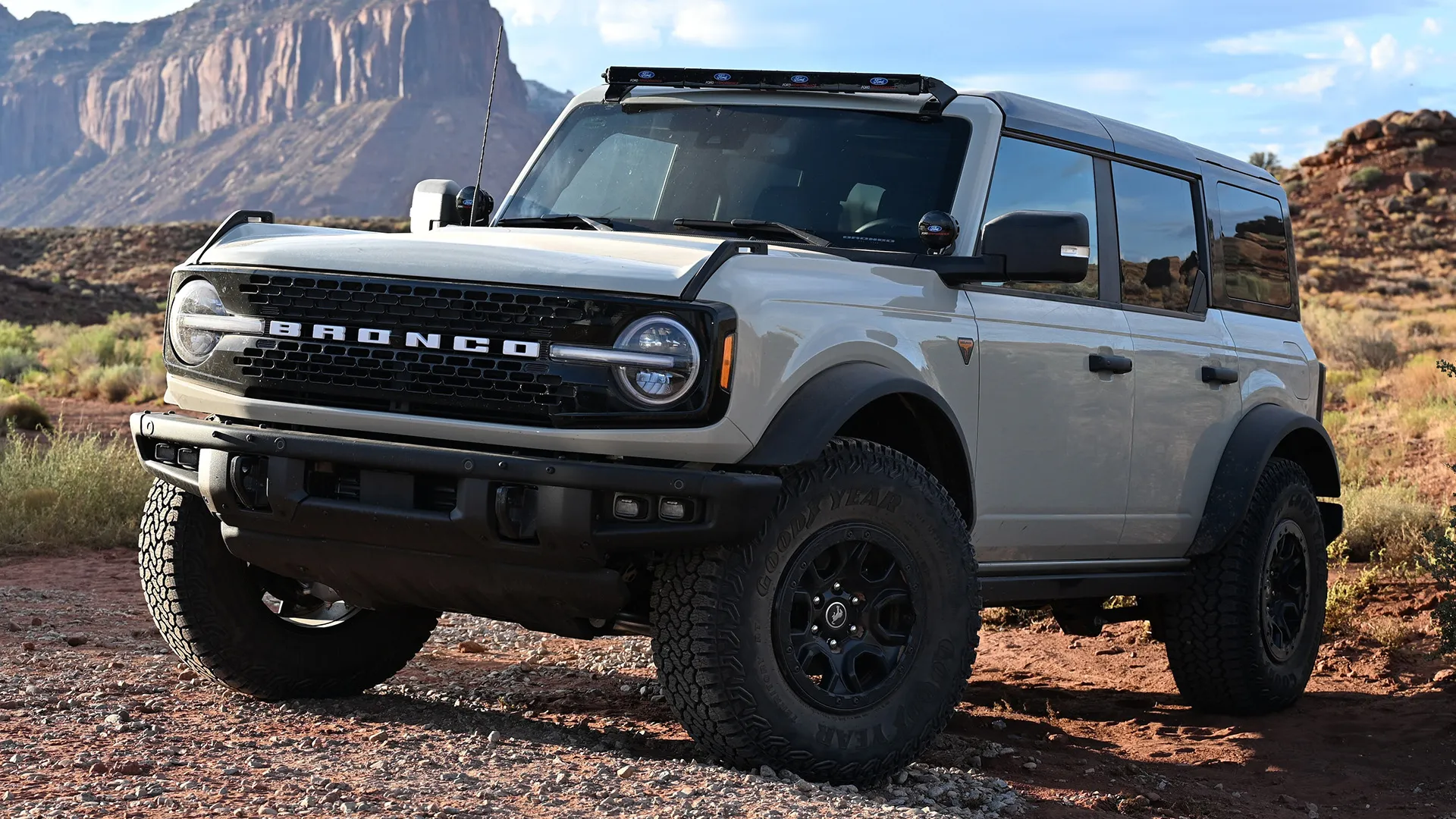
    Since the launch of the sixth-generation Ford Bronco in 2021, enthusiasts and industry watchers have asked whether it could ever surpass the iconic Jeep Wrangler in sales. For decades, the Wrangler reigned supreme as the go-to convertible 4×4 SUV with removable doors and a rugged, off-road-ready design. The Bronco, however, has shaken up that long-standing dominance.

    Through the first ten months of 2025, Bronco retail sales have surged 39.62%, already exceeding Ford’s previous annual best of 117,057 units set in 2022. Year-to-date figures show Ford moving 121,171 Broncos, while Jeep sold 128,054 Wranglers through the third quarter. Although Jeep still leads by about 18,000 units, the gap has narrowed significantly compared to last year, when the Wrangler finished nearly 42,000 units ahead.

    Ford Bronco
    Ford Bronco

    A key factor in the shift is the composition of sales. Most Bronco buyers are individual customers, whereas low-spec Wranglers are commonly purchased for rental fleets. This makes the Bronco’s growth more indicative of true consumer demand in the off-road SUV segment. “Bronco at retail continues to be the best seller in its segment,” a Ford spokesperson confirmed to The Drive.

    The Wrangler JL generation has also seen its peak sales decline. During its first full year, Jeep delivered 240,032 units, but recent figures show a roughly 90,000-unit drop last year. Competition from Ford and Toyota has contributed to this decline, highlighting that the once-uncontested Wrangler is now facing a serious challenge.While Jeep is expected to maintain the overall lead through 2025, the narrowing gap underscores how the Ford Bronco vs Jeep Wrangler rivalry is intensifying. If the trend continues, the Bronco could overtake the Wrangler in retail sales before the JL generation concludes, marking a historic shift in the convertible 4×4 SUV market.

  • McLaren’s First Four-Door Hybrid SUV Set for 2028 Debut

    McLaren’s First Four-Door Hybrid SUV Set for 2028 Debut

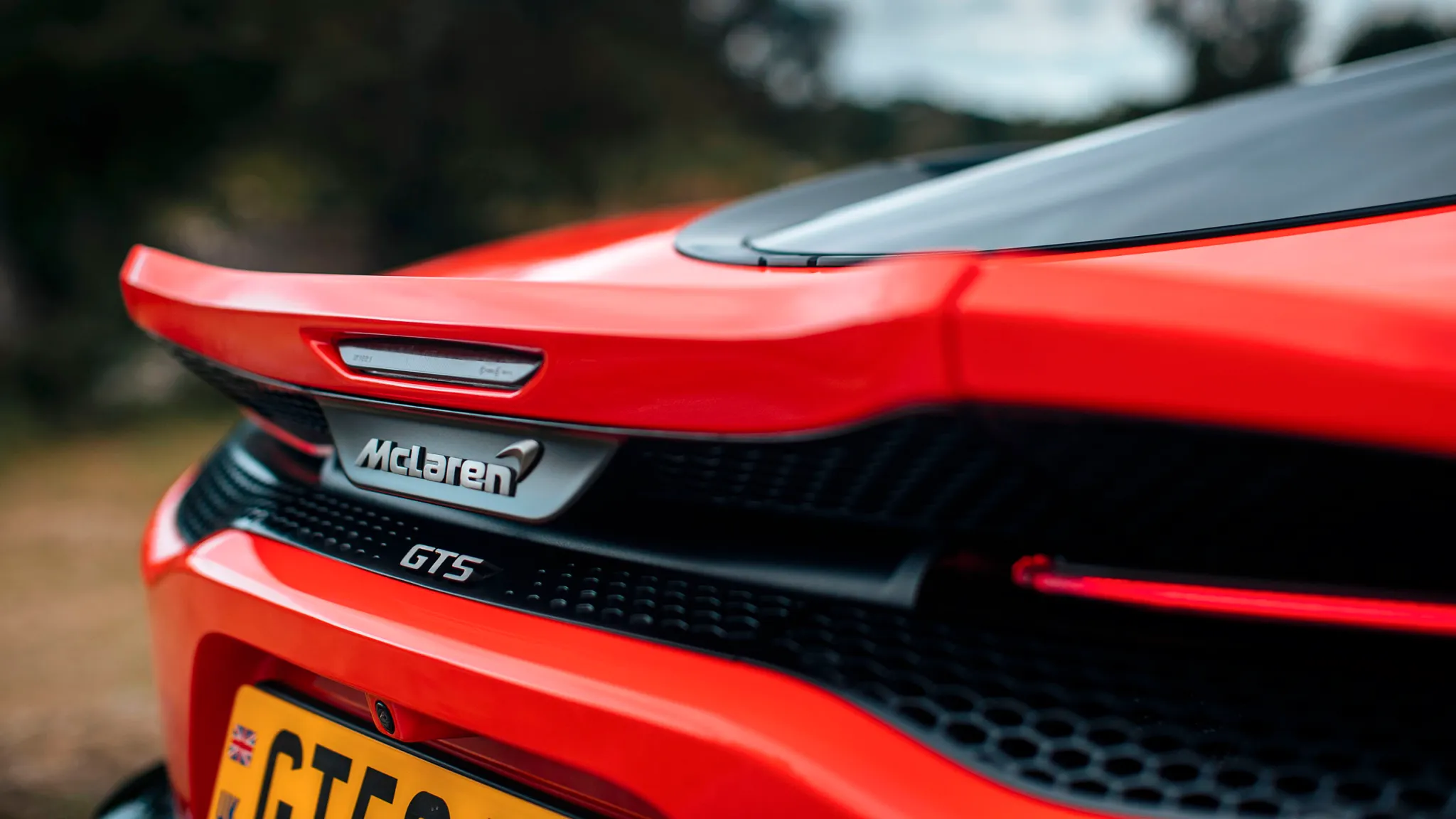
    McLaren is officially entering the luxury SUV market with its first four-door model, the McLaren P47, expected in 2028. The British automaker showcased a clay model at a U.K. dealer meeting, giving enthusiasts their first glimpse at what promises to be a high-performance SUV with McLaren’s signature design DNA.

    According to attendees, the McLaren SUV 2028 takes inspiration from the Porsche Cayenne Turbo GT, featuring a larger footprint and striking 24-inch wheels. Observers describe the SUV as “sculpted and muscular,” with a commanding road presence that emphasizes both performance and style.

    The P47 embraces McLaren’s latest design language, including a split headlight layout that discards inset projectors from earlier models. Aerodynamics are central to its design, with a pronounced roof “spine,” a large rear wing, and an aggressive diffuser. True to McLaren tradition, it will feature a V8 engine with hybrid assistance, positioned low and rearward to optimize handling and vehicle dynamics.

    McLaren’s First Four-Door Hybrid SUV Set for 2028 Debut
    McLaren’s First Four-Door Hybrid SUV Set for 2028 Debut

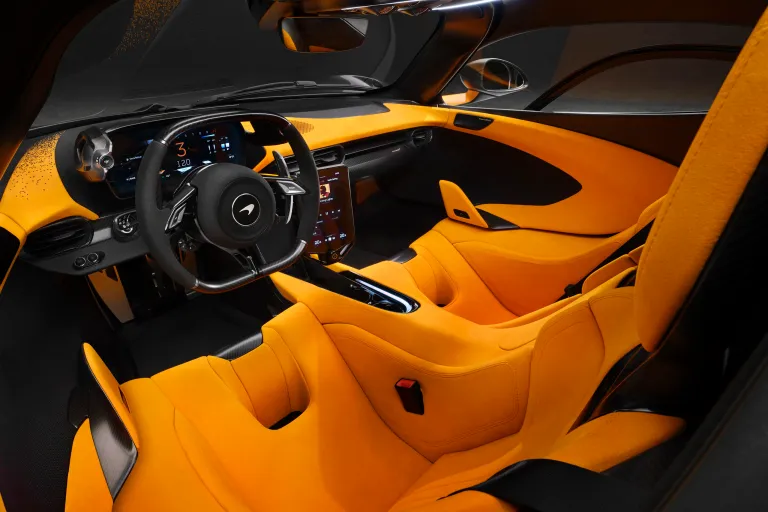
    Inside, McLaren is expected to carry over some cues from the W1 hypercar, blending a driver-focused cockpit with luxury SUV practicality. While deliveries of the W1 begin in 2026, McLaren plans a new coupe for 2027 that pays homage to previous-generation models. Positioned between the Artura and 750S, this coupe is expected to start in the low $300,000 range.

    Beyond the P47, McLaren is reportedly considering updates to its 750S and McLaren GT lineup, and a W1 convertible may also arrive with a removable roof option. The brand has been under new ownership recently and is collaborating with the startup Forseven, integrating its technology and expertise, though details remain scarce.McLaren has additionally partnered with Gordon Murray Automotive, known for limited-run hypercars, to refine engineering and performance standards for the SUV. The McLaren P47 will compete in the ultra-luxury performance SUV segment, aiming to rival vehicles like the Ferrari Purosangue and Lamborghini Urus. Enthusiasts and potential buyers will be watching closely to see if McLaren can combine its exotic sports car pedigree with SUV practicality

  • Jeep Launches 12 Limited-Edition Wrangler “Buzz Models” Over 12 Months to Amp Excitement

    Jeep Launches 12 Limited-Edition Wrangler “Buzz Models” Over 12 Months to Amp Excitement

    Jeep is ramping up its game in the off-road SUV market as the Ford Bronco continues to gain traction. After years of relatively steady Wrangler sales, the revived Bronco has narrowed the gap, prompting Jeep to implement a dual strategy: price reductions across the Wrangler lineup-from the base Sport to the 392 models-and the launch of exclusive monthly “buzz models” to keep fans engaged.

    “Starting today, the Jeep brand will unveil a new limited-edition Wrangler model on the 12th of each month for the next 12 months-an integral part of our yearlong Twelve 4 Twelve celebration commemorating 85 years of off-road leadership and adventure,” said Jeep CEO Bob Broderdorf. “Each release reflects the boldness, authenticity, and unapologetic spirit that define our brand, celebrating the capability, freedom, and adventurous DNA that have shaped Jeep for generations.”

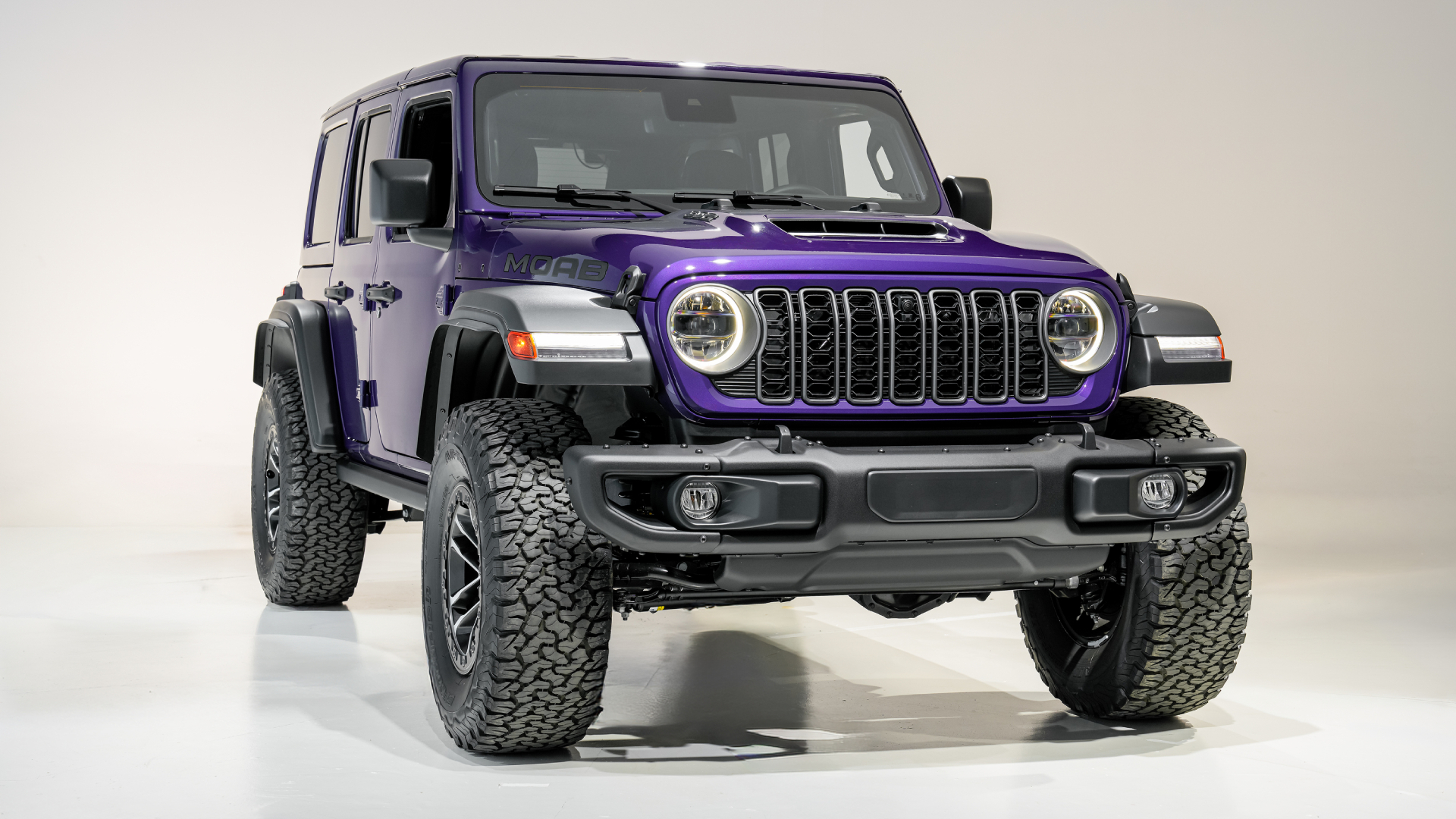
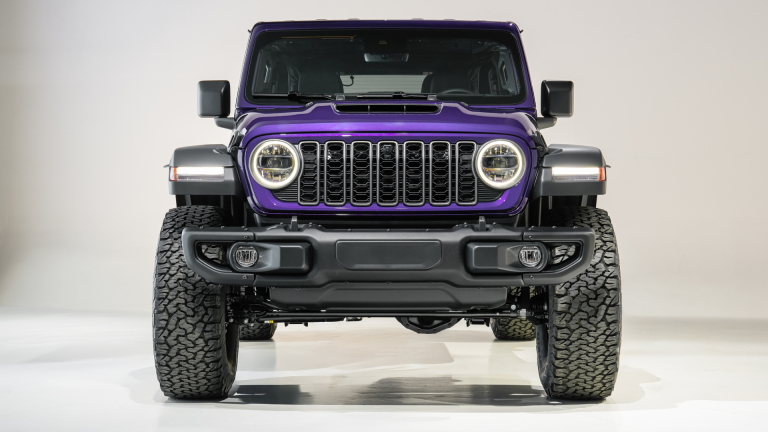
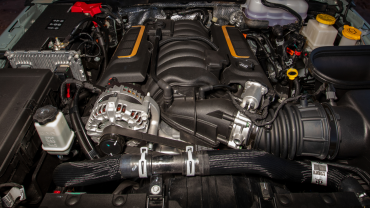
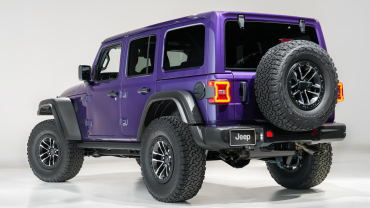
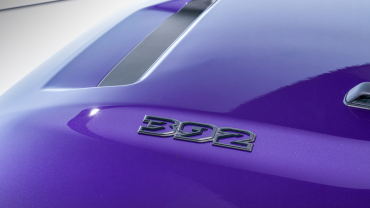
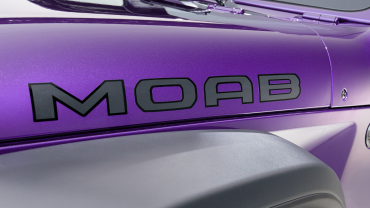
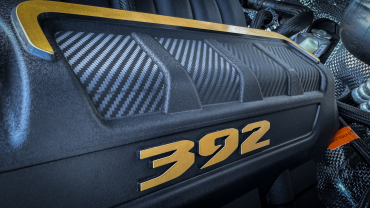
    The first model in this campaign is the Moab 392, highlighted by a distinctive purple finish. While mechanically similar to a standard Wrangler 392, the value lies in its cosmetic upgrades, limited production, and the exclusivity factor. Jeep enthusiasts have come to expect limited runs from the 392 series, and the Moab 392 fits that pattern, though Jeep hasn’t placed a hard cap on the number of total limited editions.

    Not all 12 monthly releases are guaranteed to be V8-powered Wranglers, though the company does have flexibility. Jeep has also hinted at other powertrain options, including the 5.7-liter Hemi, even though it hasn’t been offered in a factory body-on-frame Jeep before. “There’s not a single powertrain we aren’t open to considering, and we will have more horsepower and powertrains across Jeep,” Broderdorf told the media during a remote session.

    In addition, Jeep recently announced a collaboration with Fox Factory to develop a supercharged 392 Wrangler, available exclusively for military service members and veterans. This aligns with Broderdorf’s earlier remarks about expanding V8 options within the Wrangler and Gladiator lineups, though details about a potential V8 Gladiator pickup remain unclear.

    “The biggest challenge is speed to market,” Broderdorf explained, noting that cost, timing, and production speed are the main hurdles. While the engineering for the Wrangler 392 is largely complete, translating those upgrades to the Gladiator may require partnerships with aftermarket specialists rather than a direct factory model.For Jeep fans, the message is clear: mark your calendars for the 12th of each month. Each limited-edition Wrangler 2026 release promises new styling, tech touches, and off-road capability, keeping the excitement high for the next year.

  • The 2026 Nissan Pathfinder Gets a Tech Boost While Keeping the Physical Buttons Drivers Love

    The 2026 Nissan Pathfinder Gets a Tech Boost While Keeping the Physical Buttons Drivers Love

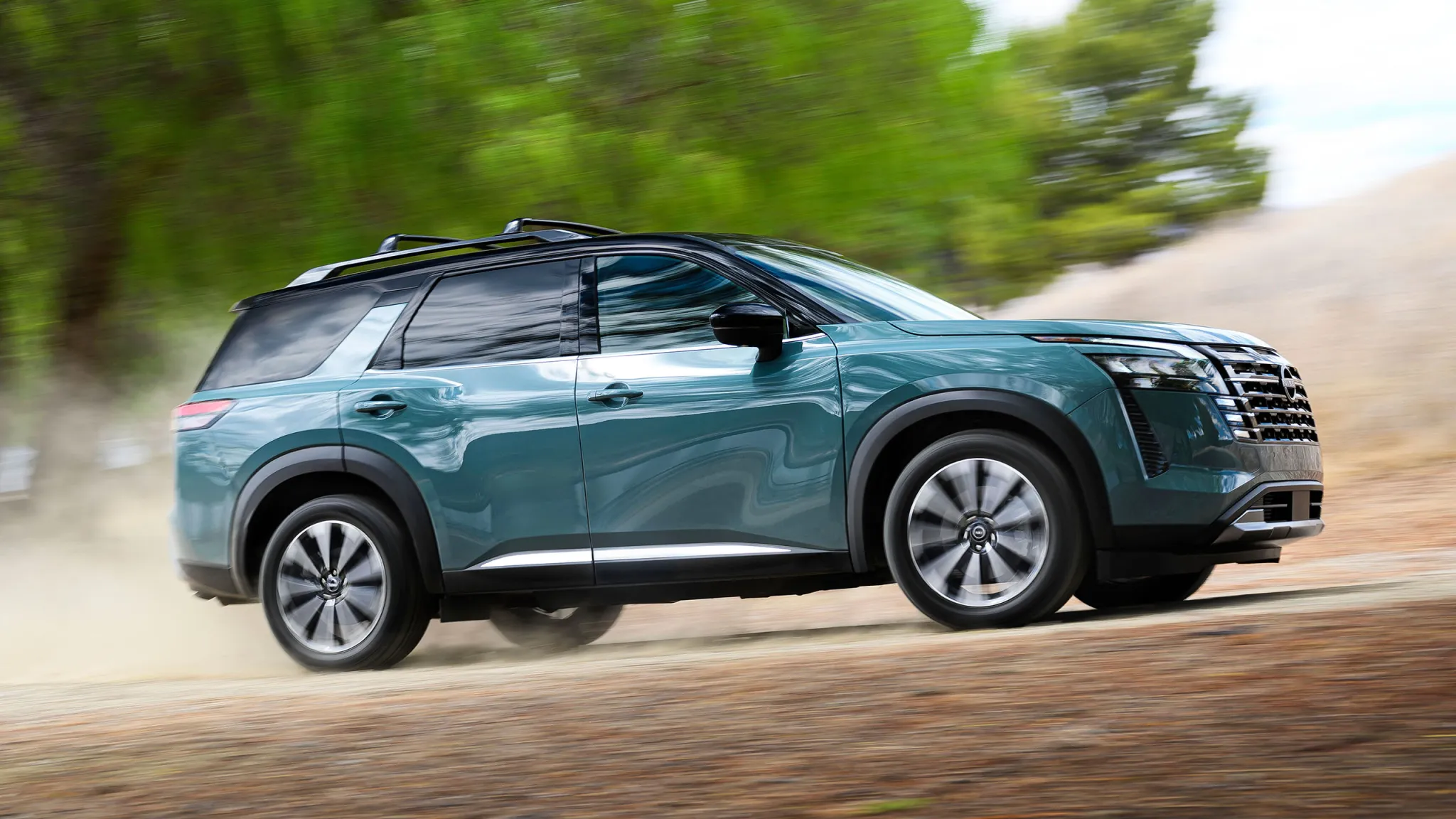
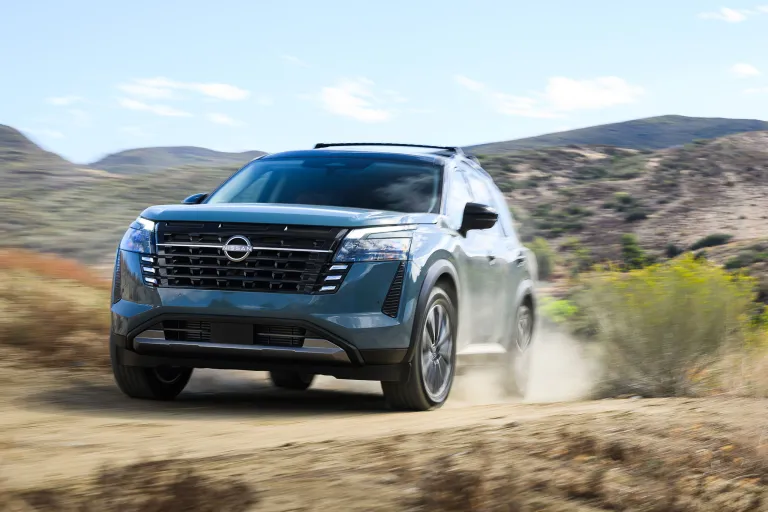
    Nissan has refreshed the Pathfinder for the 2026 model year, combining subtle design updates with upgraded interior technology. Even though the current Pathfinder only debuted in 2022, Nissan is already introducing enhancements that aim to keep the SUV competitive in the crowded 2026 SUV market. We got an early look ahead of the vehicle’s public debut at the 2025 Los Angeles Auto Show.

    From the outside, the 2026 Pathfinder shows a sharper front end with lighting elements integrated along the edges, giving it a modernized presence on the road. The front bumper now features chiseled faux intakes reminiscent of the Ariya, while the rear remains largely unchanged. A highlight of the exterior is the new available color, Baltic Teal, which adds a fresh look to the SUV’s lineup.

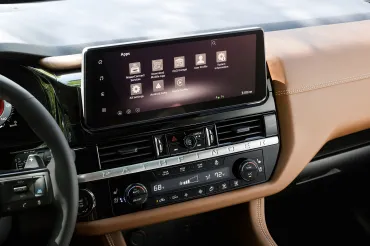
    Inside, the Nissan Pathfinder interior has received a notable tech upgrade. The standard infotainment screen is now a wide 12.3-inch display with slimmer bezels, while the old dual knobs have been replaced by a single volume dial just below the screen. Importantly, Nissan retained real, physical buttons for HVAC and media controls, ensuring fans of tactile interfaces are not left disappointed. This combination of new infotainment and physical controls maintains the practicality drivers expect from a family-friendly SUV.

    The wireless charging pad has been redesigned to offer better performance. With a new magnet positioning system and a cooling fan, the pad now delivers up to 15 watts of power—substantially more than the 5 watts of the previous system-making it a reliable option for charging smartphones on the go. Wireless Apple CarPlay and Android Auto are now standard across all 2026 Pathfinder trims, further modernizing the SUV’s tech package.

    Safety and visibility features have also been improved. The 360-degree camera system now includes a 180-degree wide view of the front, left, and right sides of the vehicle, and an enhanced mode to see areas obscured by the hood. These updates make parking and low-speed maneuvers easier and safer, complementing the SUV’s family-oriented design.

    Under the hood, the Pathfinder continues with the familiar naturally aspirated 3.5-liter V6 engine, producing 284 horsepower and 259 lb-ft of torque, paired with a 9-speed automatic transmission. Nissan continues to manufacture the Pathfinder in Tennessee, with 2026 model-year vehicles expected to arrive at dealerships early next year.

    Overall, the 2026 Nissan Pathfinder balances subtle design refinements, meaningful interior tech upgrades, and the tactile driving experience drivers love, making it a strong contender in the 2026 SUV segment.

  • Hyundai Ioniq 5 N Brake Pad Replacement: Why You Need a Professional Mechani

    Hyundai Ioniq 5 N Brake Pad Replacement: Why You Need a Professional Mechani

    Electric vehicles (EVs) are generally simpler mechanically than traditional gasoline cars. However, the 2025 Hyundai Ioniq 5 N demonstrates that EV maintenance can become unexpectedly complicated due to software restrictions and coding requirements. A recent Reddit post caught attention when an Ioniq 5 N owner discovered he could not replace his brake pads at home without professional-level digital authorization. This situation highlights the growing role of software in modern EV service.

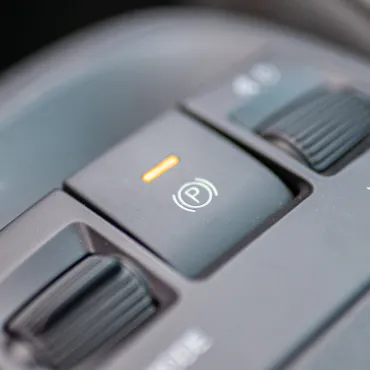
    For anyone used to DIY car maintenance, this may sound frustrating. Unlike older vehicles, many modern EVs, including the Ioniq 5 N, rely on an electronic parking brake controlled by the vehicle’s computer. Even a task as basic as removing brake pads requires communicating with the car’s electronic control unit (ECU), rather than simply disconnecting a cable or turning a nut.

    Brake Pad and Rotor Replacement: A Simple Task That Isn’t

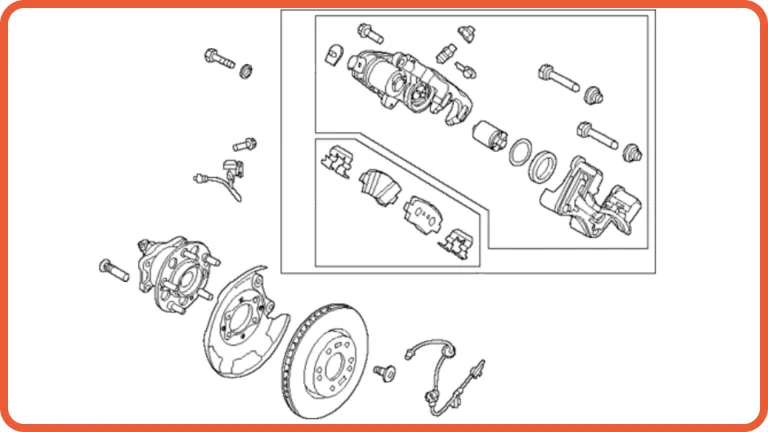
    Replacing brake pads and rotors is one of the most routine car maintenance jobs. Thanks to regenerative braking, EV pads often last longer, but eventually they still wear out. On most vehicles, the process involves placing the rear calipers into service mode, usually handled by a diagnostic tool. Without this step, the electronic parking brake prevents safe removal of the pads.

    Many readily available bi-directional OBD scanners can issue this retract-brake command, but on the Ioniq 5 N, no common consumer tool worked. The Reddit poster had to explore commercial-grade diagnostic options, which are expensive and complex.

    Accessing Hyundai’s Proprietary Diagnostic System

    To interface with the Ioniq 5 N’s electronic parking brake, owners can use Hyundai’s Global Diagnostic System (GDS), which costs around $6,000, or an approved J2534 pass-through device. Approved devices include CarDAQ Plus 3 (~$2,000), MTS 6531 (~$2,000), and d-briDGe PRO (~$800).

    A subscription to Hyundai’s J2534 software is also required, starting at $60 per week. Only OEM-approved devices function properly, meaning even after purchasing the tools and subscription, independent owners cannot perform brake maintenance without professional credentials.

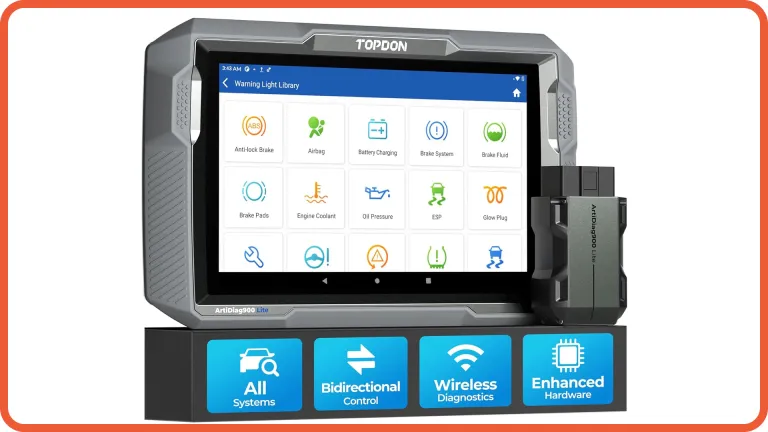
    Affordable bi-directional scanners like the TOPDON ArtiDiag900 claim to control electronic parking brakes, but they likely won’t pass Hyundai’s required software authentication. TOPDON
    Affordable bi-directional scanners like the TOPDON ArtiDiag900 claim to control electronic parking brakes, but they likely won’t pass Hyundai’s required software authentication. TOPDON

    The Final Roadblock: NASTF Credentials

    Hyundai’s technical documents explicitly state: “Access to Bi-Directional Tests and Special Functions require Diagnostic Professional or Vehicle Security Professional credential from NASTF.” The National Automotive Service Task Force regulates professional-level access for sensitive vehicle functions.

    This means only certified mechanics with NASTF authorization can fully operate the Ioniq 5 N’s service tools. Regular owners, even with the right tools and subscription, cannot change their own brake pads. This security measure is not about dealer refusal; it is a safeguard for vehicle integrity and safety.

    Hyundai’s Official Response

    Hyundai confirmed that the official procedure for servicing Ioniq 5 N brakes requires placing rear calipers in service mode using either GDS or J2534. A recent software update allows additional functions for aftermarket J2534 users, but sensitive operations still require NASTF authentication.

    The automaker is exploring ways to make routine maintenance more accessible without compromising safety. Hyundai recognizes DIY interest but stresses that certain limitations are necessary to protect vehicle security and ensure proper brake functionality.

    Bi-directional scanners like the TOPDON ArtiDiag900 support electronic parking brakes, but they likely can’t pass Hyundai’s software authentication. TOPDON
    Bi-directional scanners like the TOPDON ArtiDiag900 support electronic parking brakes, but they likely can’t pass Hyundai’s software authentication. TOPDON

    Right to Repair: Legal vs. Practical

    While the Reddit thread titled “Hyundai declares WAR on Right to Repair” wasn’t legally accurate, it highlights a real issue. Right-to-repair laws prohibit hiding diagnostics entirely behind proprietary tools, and Hyundai does provide aftermarket access via J2534.

    In practice, though, replacing brake pads now requires thousands of dollars in hardware, OEM-approved software, a weekly subscription, and NASTF credentials. A task that was once simple for DIYers is effectively restricted to professional mechanics.

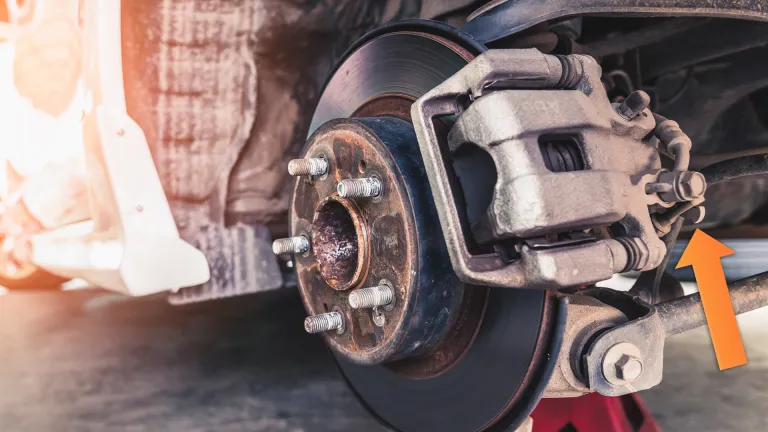
    Rear brake caliper showing the parking brake engager (orange arrow). On modern cars, you need computer control to adjust it. stock.adobe.com
    Rear brake caliper showing the parking brake engager (orange arrow). On modern cars, you need computer control to adjust it. stock.adobe.com

    A Growing Industry Trend

    Hyundai is not alone. Many modern EVs and even gasoline cars increasingly require software authentication to perform basic tasks such as brake service, battery disconnects, and steering maintenance. Protecting digital keys, encryption, and lock systems is critical, but limiting brake maintenance behind professional credentials feels excessive. Vehicle owners should have practical access to maintain the cars they legally own.

    DIY Workarounds: Proceed with Caution

    Some third-party tools claim to override the electronic parking brake, but these are unofficial, unsupported, and may trigger system errors or safety issues. Anyone attempting them should proceed at their own risk. Modern EVs like the Hyundai Ioniq 5 N demonstrate how software and security integration can make even basic maintenance challenging for DIY enthusiasts.


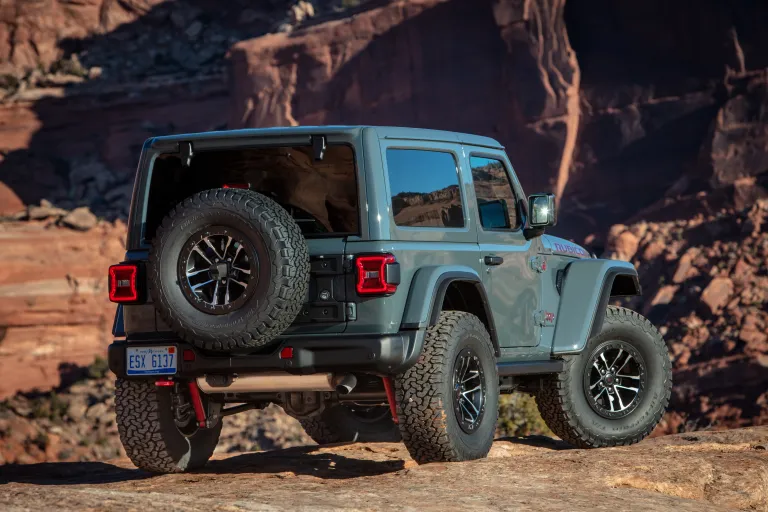
  • You Can Now Take Off the 2026 Jeep Wrangler’s Doors With Zero Tools

    You Can Now Take Off the 2026 Jeep Wrangler’s Doors With Zero Tools

    For decades, removing the doors on a Jeep Wrangler has been an essential ritual for anyone who loves open-air, doorless driving. But it also came with one annoying constant: Torx bits. Whether you owned an older JK, a JL, or even a Wrangler 4xe, you always needed a set of Torx tools to undo hinge screws, store hardware, and carefully reverse the entire process later.

    That all changes with the 2026 Jeep Wrangler, which finally introduces a tool-free door removal system designed to make life much easier for Wrangler owners and 4×4 enthusiasts.

    Jeep Says Goodbye to Torx Bits-And Makes Door Removal Easier Than Ever

    The upgrade is long overdue. Jeep has quietly eliminated the need for the supplied Torx bit and wrench by adding a new mechanism-likely a plastic latch system integrated into the hinge pins-that allows owners to pull the doors off without touching a single tool.

    Jeep hasn’t yet detailed the full engineering behind the new setup, and no one outside the company has tested a production 2026 model. But based on early documentation, owners will simply unlatch the hinge pins and lift the doors up and away from the body.

    You’ll still have to perform the final lift manually-this is still a Wrangler, after all-but the process appears dramatically quicker and cleaner than before.

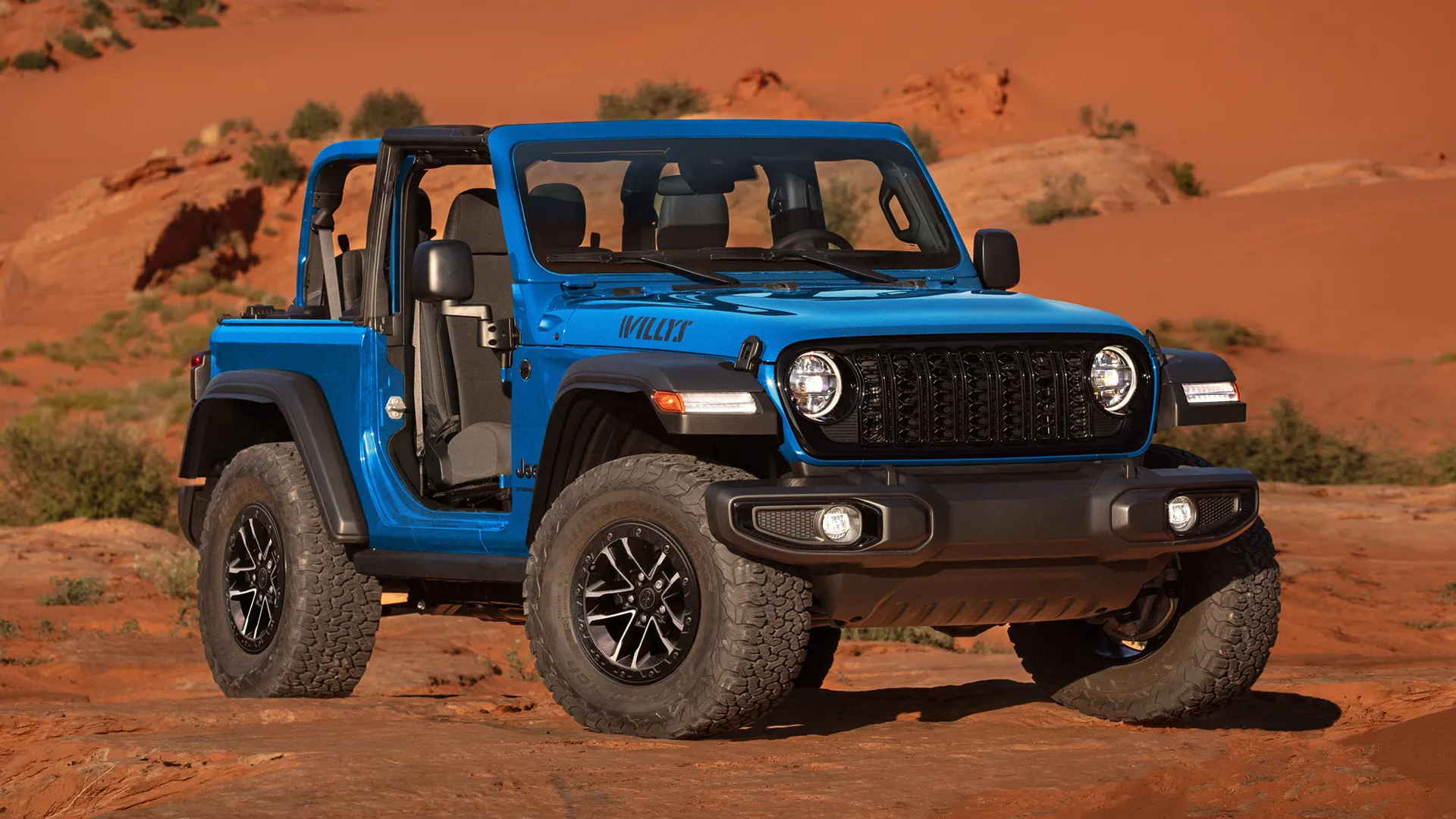
    The 2026 Wrangler’s new tool-free hinges make door removal quick and effortless
    The 2026 Wrangler’s new tool-free hinges make door removal quick and effortless

    Why This Is a Big Deal for Everyday Wrangler Owners

    Anyone who has ever removed Wrangler doors knows the routine:

    • use a #50 Torx head driver to remove the outer hinge pin screws
    • store the hardware under the trunk’s false floor or beneath the Gladiator’s rear-seat bin
    • grab a #40 Torx driver to remove the interior check screw
    • pray you didn’t drop or lose a single fastener

    If one Torx bit went missing, you were stuck. Reinstalling the doors could be even worse.

    This is how Mopar has explained the process for years-and why the tool-free design arriving for 2026 models is such welcome news.

    A Small Change With Big Implications for Jeep Culture

    Removing the doors has always been about more than convenience. For Jeep fans, it’s a core part of the Wrangler identity-right up there with removable roofs, fold-down windshields, and rugged off-road capability.

    Making that process easier opens the door (pun intended) for more people to enjoy the open-air Wrangler experience without the frustration that used to come with it.

    Of course, not everyone will celebrate the change. The only real losers here are:

    • the supplier that used to ship Torx tools with every new Wrangler
    • YouTubers who made money posting “How to Remove Jeep Doors in 5 Minutes!” tutorials

    But for the millions of Wrangler owners worldwide, this is a major quality-of-life upgrade.

    The Bottom Line

    The 2026 Jeep Wrangler is shaping up to be the most user-friendly version yet, thanks to its new tool-free door removal system that eliminates Torx bits entirely. It preserves everything that has made the Wrangler famous while removing one of the most irritating parts of ownership.
    If open-air driving is part of Jeep DNA, this update finally brings the experience closer to what it should’ve always been: simple, quick, and ready for adventure.