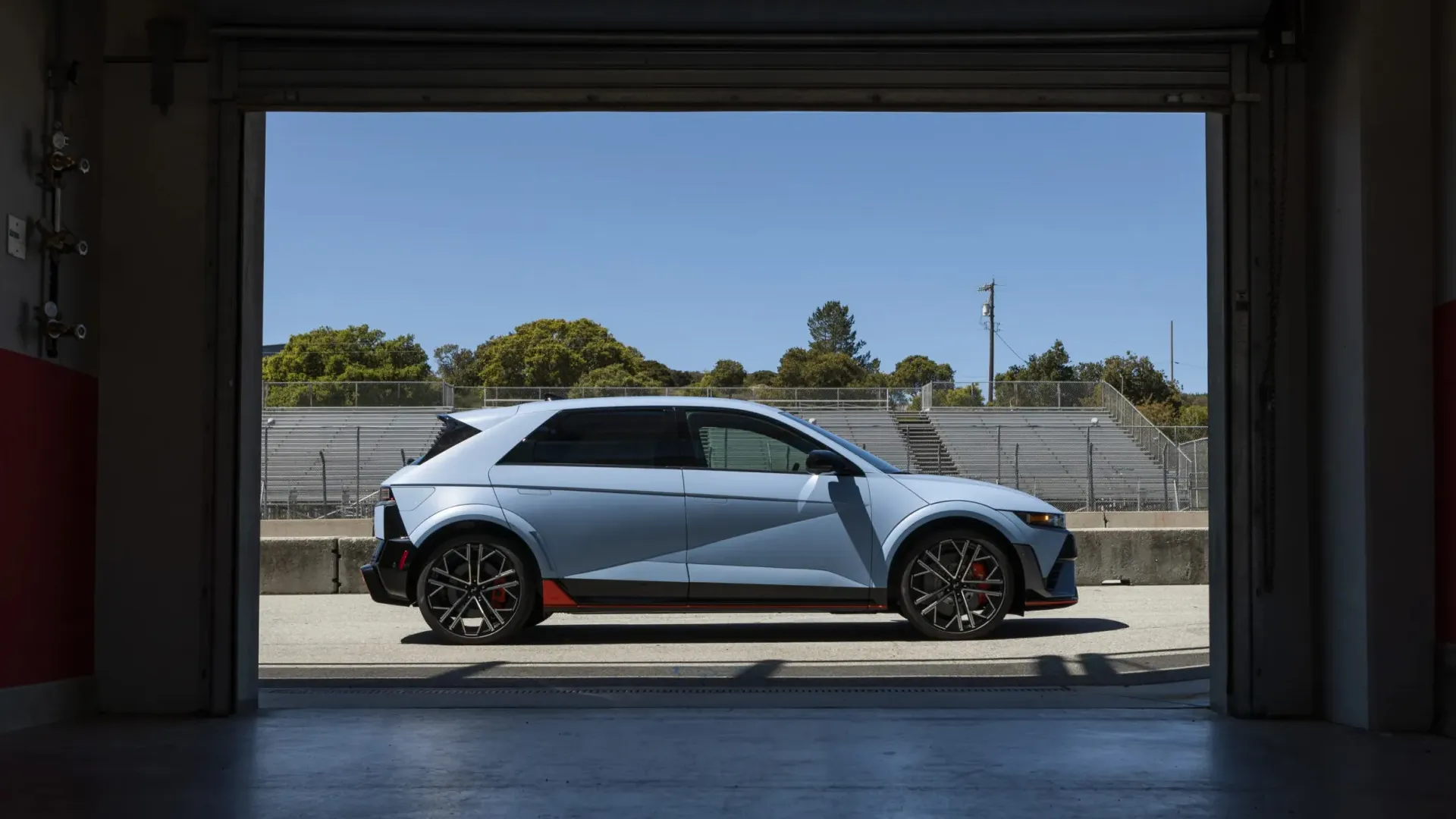
Electric vehicles (EVs) are generally simpler mechanically than traditional gasoline cars. However, the 2025 Hyundai Ioniq 5 N demonstrates that EV maintenance can become unexpectedly complicated due to software restrictions and coding requirements. A recent Reddit post caught attention when an Ioniq 5 N owner discovered he could not replace his brake pads at home without professional-level digital authorization. This situation highlights the growing role of software in modern EV service.
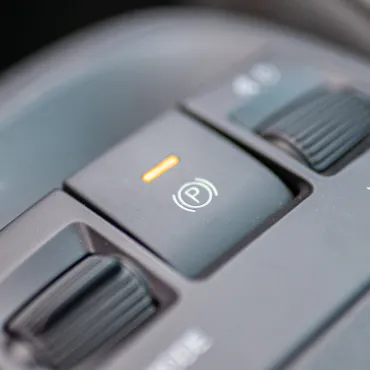
For anyone used to DIY car maintenance, this may sound frustrating. Unlike older vehicles, many modern EVs, including the Ioniq 5 N, rely on an electronic parking brake controlled by the vehicle’s computer. Even a task as basic as removing brake pads requires communicating with the car’s electronic control unit (ECU), rather than simply disconnecting a cable or turning a nut.

Brake Pad and Rotor Replacement: A Simple Task That Isn’t
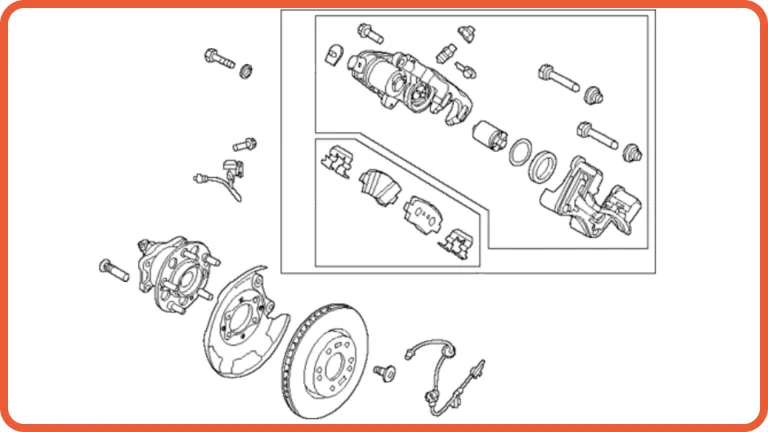
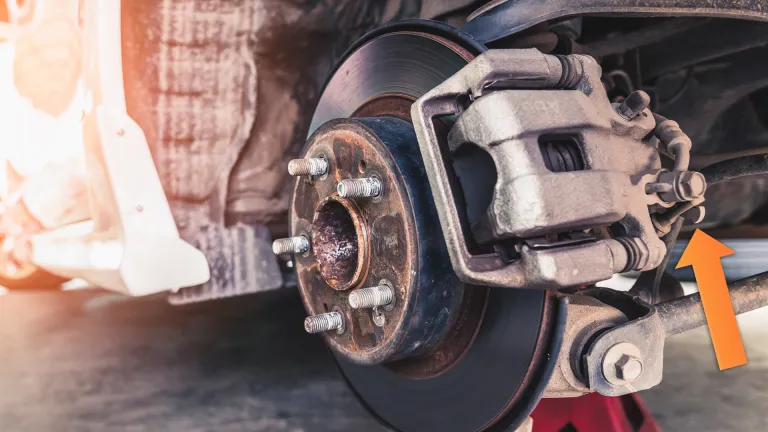
Replacing brake pads and rotors is one of the most routine car maintenance jobs. Thanks to regenerative braking, EV pads often last longer, but eventually they still wear out. On most vehicles, the process involves placing the rear calipers into service mode, usually handled by a diagnostic tool. Without this step, the electronic parking brake prevents safe removal of the pads.
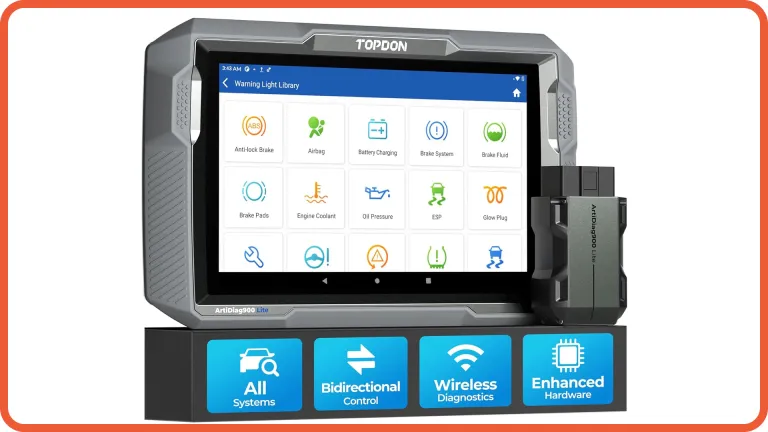
Many readily available bi-directional OBD scanners can issue this retract-brake command, but on the Ioniq 5 N, no common consumer tool worked. The Reddit poster had to explore commercial-grade diagnostic options, which are expensive and complex.
Accessing Hyundai’s Proprietary Diagnostic System
To interface with the Ioniq 5 N’s electronic parking brake, owners can use Hyundai’s Global Diagnostic System (GDS), which costs around $6,000, or an approved J2534 pass-through device. Approved devices include CarDAQ Plus 3 (~$2,000), MTS 6531 (~$2,000), and d-briDGe PRO (~$800).
A subscription to Hyundai’s J2534 software is also required, starting at $60 per week. Only OEM-approved devices function properly, meaning even after purchasing the tools and subscription, independent owners cannot perform brake maintenance without professional credentials.
The Final Roadblock: NASTF Credentials
Hyundai’s technical documents explicitly state: “Access to Bi-Directional Tests and Special Functions require Diagnostic Professional or Vehicle Security Professional credential from NASTF.” The National Automotive Service Task Force regulates professional-level access for sensitive vehicle functions.
This means only certified mechanics with NASTF authorization can fully operate the Ioniq 5 N’s service tools. Regular owners, even with the right tools and subscription, cannot change their own brake pads. This security measure is not about dealer refusal; it is a safeguard for vehicle integrity and safety.
Hyundai’s Official Response
Hyundai confirmed that the official procedure for servicing Ioniq 5 N brakes requires placing rear calipers in service mode using either GDS or J2534. A recent software update allows additional functions for aftermarket J2534 users, but sensitive operations still require NASTF authentication.
The automaker is exploring ways to make routine maintenance more accessible without compromising safety. Hyundai recognizes DIY interest but stresses that certain limitations are necessary to protect vehicle security and ensure proper brake functionality.
Right to Repair: Legal vs. Practical
While the Reddit thread titled “Hyundai declares WAR on Right to Repair” wasn’t legally accurate, it highlights a real issue. Right-to-repair laws prohibit hiding diagnostics entirely behind proprietary tools, and Hyundai does provide aftermarket access via J2534.
In practice, though, replacing brake pads now requires thousands of dollars in hardware, OEM-approved software, a weekly subscription, and NASTF credentials. A task that was once simple for DIYers is effectively restricted to professional mechanics.
A Growing Industry Trend
Hyundai is not alone. Many modern EVs and even gasoline cars increasingly require software authentication to perform basic tasks such as brake service, battery disconnects, and steering maintenance. Protecting digital keys, encryption, and lock systems is critical, but limiting brake maintenance behind professional credentials feels excessive. Vehicle owners should have practical access to maintain the cars they legally own.
DIY Workarounds: Proceed with Caution
Some third-party tools claim to override the electronic parking brake, but these are unofficial, unsupported, and may trigger system errors or safety issues. Anyone attempting them should proceed at their own risk. Modern EVs like the Hyundai Ioniq 5 N demonstrate how software and security integration can make even basic maintenance challenging for DIY enthusiasts.