The New Digital Race for Your Dashboard
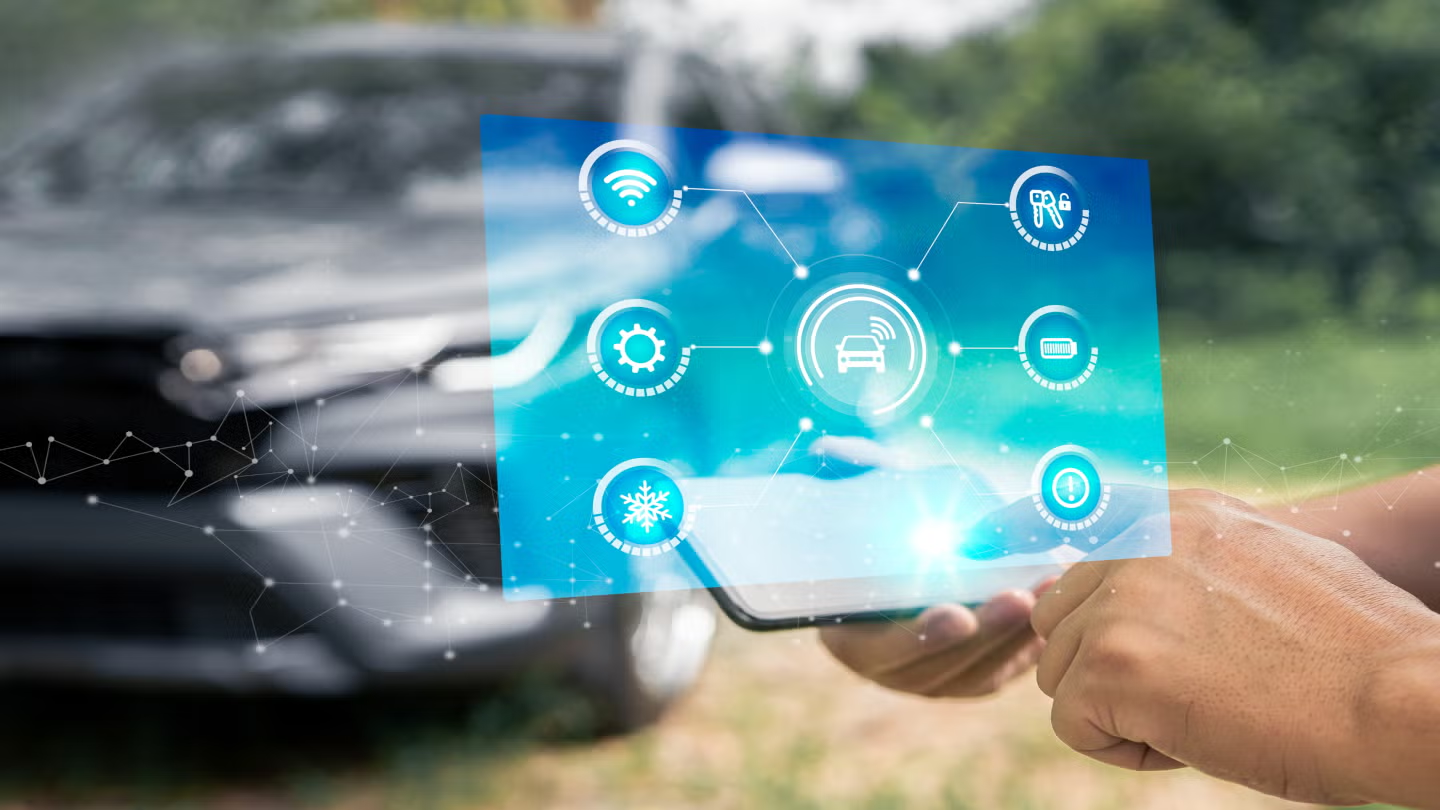
The auto industry is entering a new kind of arms race – not for horsepower or torque, but for the software that runs your car. Beneath every digital display, over-the-air update, and self-driving feature lies the car operating system (Car OS) – a platform quietly becoming as important as the engine itself.
As of 2025, companies like Tesla, Google, and Apple are competing fiercely to control that platform. The winner won’t just shape the driving experience – they’ll control an ecosystem of apps, data, and revenue that could define the next decade of mobility.
1. What Is a Car Operating System?
A car operating system is the software layer that manages everything from infotainment and navigation to driver-assistance, energy management, and communication with external networks.
Much like iOS or Android on a smartphone, the car OS determines what you see, how your car responds, and how third-party apps connect. The rise of “software-defined vehicles” means a car’s value now depends more on its code than its combustion.
Core functions of a modern Car OS include:
- Managing sensor data (camera, radar, lidar).
- Running navigation, voice control, and in-car apps.
- Activating wireless (over-the-air) software updates.
- Controlling driver-assistance and semi-autonomous features.
- Synchronizing with smartphones, cloud services, and smart cities.
2. Why Automakers Are Fighting for Software Control
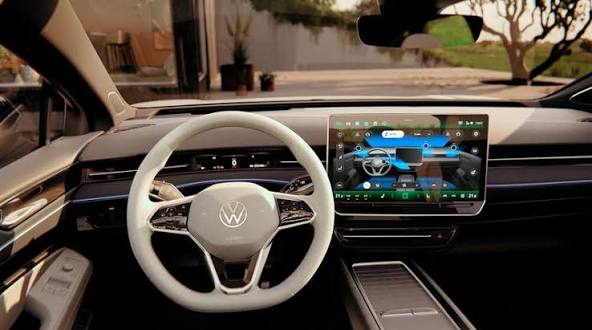
For over a century, automakers sold hardware. Now, they’re realizing that software defines customer experience – and recurring profits.
Every update, subscription, or digital feature runs through a car’s OS. Whoever owns that layer controls the long-term relationship with the driver.
According to McKinsey’s 2025 Automotive Software Outlook, in-car software and data services could generate over $200 billion annually by 2030. That explains why Tesla, Google, Apple, and legacy automakers are quietly waging war for dominance.
3. The Major Players in the Car OS Battle
As car technology evolves, the operating system (OS) has become the battlefield for automakers and tech giants alike. Today, the Car OS determines everything from infotainment and navigation to advanced driver-assist features. Understanding the strategies and strengths of each major player helps consumers and industry watchers see who is shaping the future of connected vehicles.
Below, we break down the key players and how their systems differ in approach, adoption, and user experience.
Tesla – The Integrated Proprietary Model
Tesla’s vehicles run on a fully proprietary OS that controls battery management, self-driving software, infotainment, and even climate systems. The company’s vertical integration allows seamless interaction between hardware and software.
Key Strengths:
- Fast over-the-air (OTA) updates keep vehicles current without dealership visits.
- Unified ecosystem ensures consistency across models and features.
Weaknesses:
- Closed system limits third-party apps and integrations.
- Hardware and software tightly coupled, making upgrades expensive.
Market Snapshot:
- Estimated 2 million+ Tesla vehicles worldwide run on Tesla’s OS.
- Full Self-Driving (FSD) beta is deployed to ~200,000 users, providing Tesla with unmatched real-world AI data.
Google – The Embedded Ecosystem Builder
Google’s Android Automotive OS is an open platform embedded directly into vehicles, powering infotainment and connected services on brands like Volvo, Polestar, GM, and Honda. It offers native Google Maps, Google Assistant, and access to the Play Store.
Key Strengths:
- Open platform allows multiple automakers to adopt and customize.
- Rapid app development and integration from Google’s ecosystem.
Weaknesses:
- Reliant on automakers for consistent hardware implementation.
Fragmentation may occur if OEMs implement features differently.
Market Snapshot:
- Over 1.5 million cars on the road with Android Automotive OS (2025).
- Expanding partnerships with GM, Volvo, Renault, and Stellantis brands.
Apple – The UX-Centric Challenger
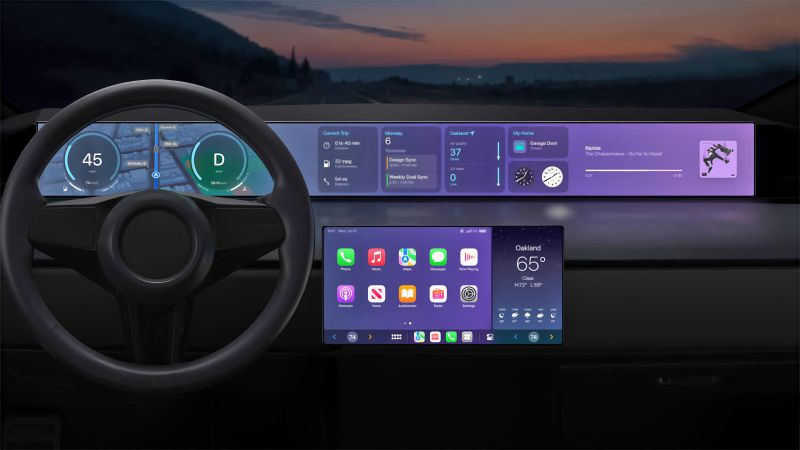
Apple’s next-generation CarPlay is moving beyond an infotainment app to control entire dashboards, including instrument clusters and HVAC controls. Initially announced for 2025–2026 Porsche and Aston Martin models, it promises a seamless and brand-loyal experience.
Key Strengths:
- UX-focused, intuitive interface with Apple ecosystem integration.
- Strong brand loyalty ensures adoption among iPhone users.
Weaknesses:
- Requires deep integration with automaker hardware.
- Limited rollout; currently only high-end models.
Market Snapshot:
- Early adoption on luxury models with plans to expand across additional brands by 2027.
Legacy Automakers – Fighting for Relevance
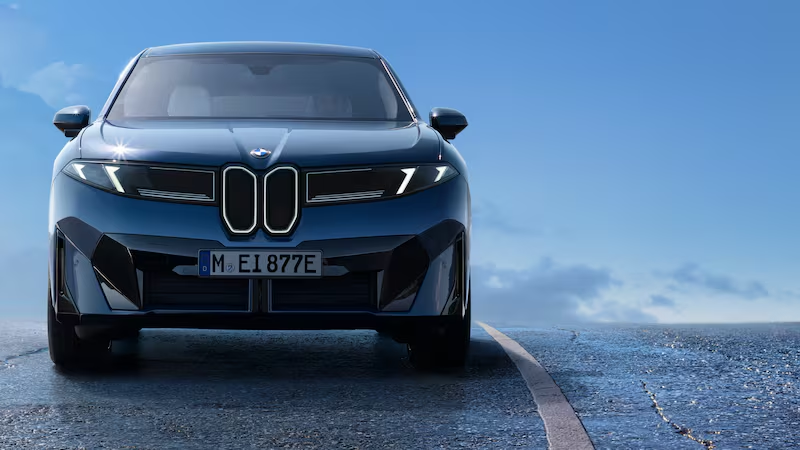
Traditional automakers like Mercedes-Benz, BMW, and Hyundai are building their own OS frameworks, often partnering with tech companies to retain control over user data and vehicle branding.
Examples:
- Mercedes-Benz MB.OS: Integrates AI assistants, connected services, and customizable digital experiences.
- BMW’s iDrive and Hyundai’s E-GMP interface are evolving toward centralized OS control.
Strengths:
- Maintain control of brand experience and data.
- Flexible integration with multiple tech providers.
Weaknesses:
- Slower adoption compared to fully tech-driven companies.
- Fragmented software development across models.
Market Snapshot:
- Mercedes MB.OS deployed on 2025 S-Class and EQ models.
- Hyundai’s OS active on ~100,000+ vehicles globally.
Comparative Overview
| Company | OS Type | OTA Updates | Hands-Free / ADAS Integration | Ecosystem | Key Advantage | Weakness |
| Tesla | Proprietary | Yes, frequent | FSD & Autopilot | Fully integrated | Unified experience, rapid AI learning | Closed system, expensive hardware upgrades |
| Android Automotive | Yes, varies by OEM | Works seamlessly with Google Maps and voice control | Open platform | Flexible, widely adopted | Hardware consistency depends on OEM | |
| Apple | CarPlay Full-Dash | Yes, OTA via iOS | Dashboard-level control | Apple ecosystem | UX-centric, brand loyalty | Limited rollout, high integration requirement |
| Mercedes / BMW / Hyundai | Custom OEM OS | Yes, varies | ADAS integration | OEM ecosystem | Brand control, AI assistants | Slower adoption, fragmented |
Takeaway:
The Car OS race is not just about features-it’s about ecosystem control, real-world data, and future scalability. Tesla leads in integration and AI, Google dominates in open adoption, Apple excels in UX, and legacy automakers are fighting to maintain relevance in a tech-driven market. Consumers and industry watchers must understand these differences when evaluating vehicles in 2025–2026.
4. The Core Technology Behind Car Operating Systems
Modern car operating systems integrate AI, sensor fusion, and predictive navigation to process vast amounts of real-time data. These technologies enable semi-autonomous and autonomous driving while connecting vehicles to smarter, safer mobility networks.
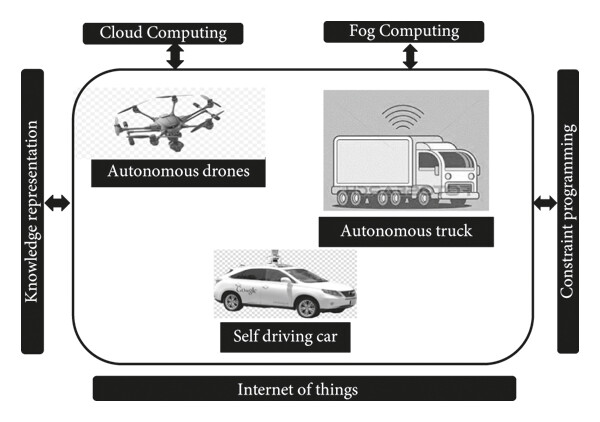
Sensor Fusion & AI Processing
Modern Car OS platforms handle data from dozens of sensors – radar, cameras, ultrasonic detectors – and merge them into a unified environmental model.
This sensor fusion process feeds AI algorithms that predict pedestrian movement, traffic flow, and driving conditions in milliseconds.
In testing by IEEE Spectrum, vehicles running advanced AI pipelines demonstrated up to 40% faster response times compared to legacy ECU systems – a major leap for safety and autonomy.
Predictive Navigation & Smart Infrastructure
Car OS platforms are increasingly connected to smart city networks, syncing with traffic lights, weather systems, and cloud maps.
Predictive algorithms can reroute drivers before congestion hits or adjust regenerative braking based on terrain.
This real-time connectivity is what turns cars into nodes of an intelligent mobility grid – not just vehicles, but living software entities.
5. Safety, Regulation, and Trust Issues
Despite technological advances, car operating systems face scrutiny over safety, liability, and insurance. Consumers and regulators alike demand transparency, reliable performance, and clear communication to build trust in semi- and fully-autonomous systems.
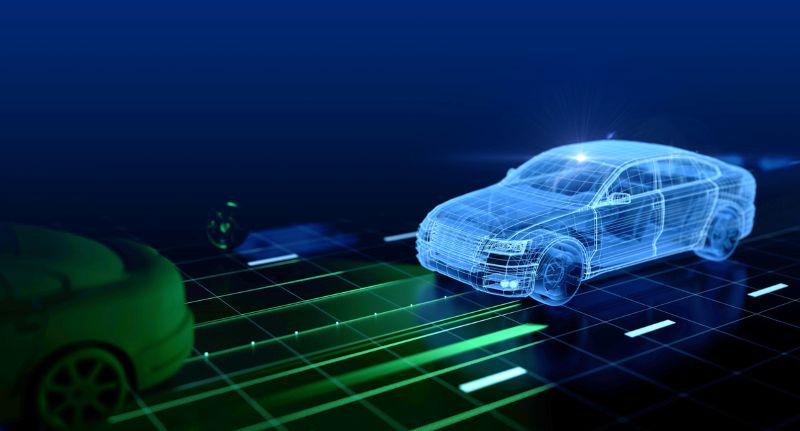
Reducing Accidents Through Smarter Software
Waymo’s autonomous OS demonstrated a 90% reduction in injury-causing crashes in controlled U.S. trials (arXiv, 2025). Tesla and Cruise continue refining their software to achieve similar reliability metrics.
Legal and Insurance Implications
As cars take on more driving duties, regulators must determine who’s responsible when an algorithm fails.
Insurance providers are beginning to categorize vehicles based on autonomy level – a sign that the Car OS isn’t just technical, but legal territory too.
6. The Difficulties in Expanding Automotive Software Systems
Scaling automotive software is complex: systems must handle unpredictable traffic, varying infrastructure, and edge-case scenarios. Combined with public misunderstanding of driver-assist features, these hurdles make wide adoption of Car OS platforms a delicate balance.
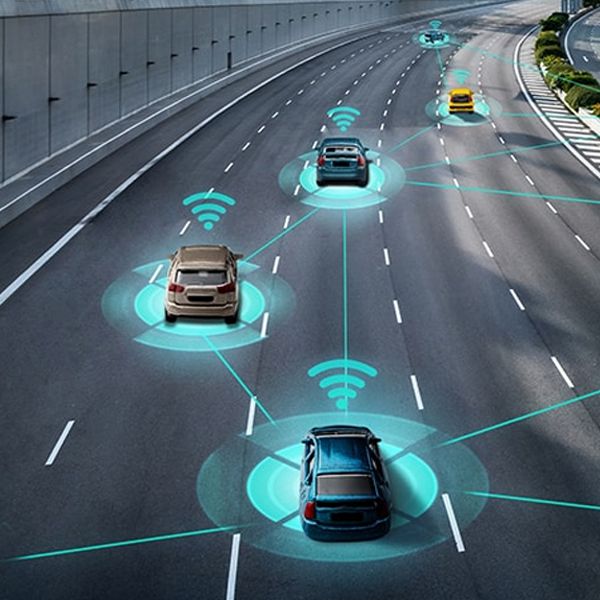
Technical Hurdles
AI must handle unpredictable edge cases – construction zones, erratic drivers, and severe weather. Ensuring reliability across thousands of possible situations is a huge engineering challenge.
Infrastructure Limitations
A Vehicle Operating System relies on precise mapping and stable network connectivity. Poorly marked roads or outdated 5G coverage can cripple system performance.
Public Awareness & Trust
Consumers still confuse driver-assistance with self-driving. Clear education and transparent reporting of system limits are essential to build public trust.
7. Future Outlook: The Path Toward 2027 and Beyond
The race for the car OS isn’t slowing down – it’s accelerating.
Between 2026 and 2027, we’ll likely see:
- Broader deployment of Level 4 autonomy in major urban centers.
- AI systems capable of handling complex traffic without driver intervention.
- Expansion of subscription-based in-car software models.
- Gradual integration of EV, OS, and cloud ecosystems under unified brands.
For automakers, success won’t just mean selling cars – it’ll mean owning the software layer that defines what driving feels like.
8. The True Power Lies in the Code
The quiet war for the car operating system will determine not just who sells the most vehicles, but who controls mobility itself.
As cars evolve into connected, intelligent machines, the OS becomes the soul of the vehicle – defining performance, personality, and profit.
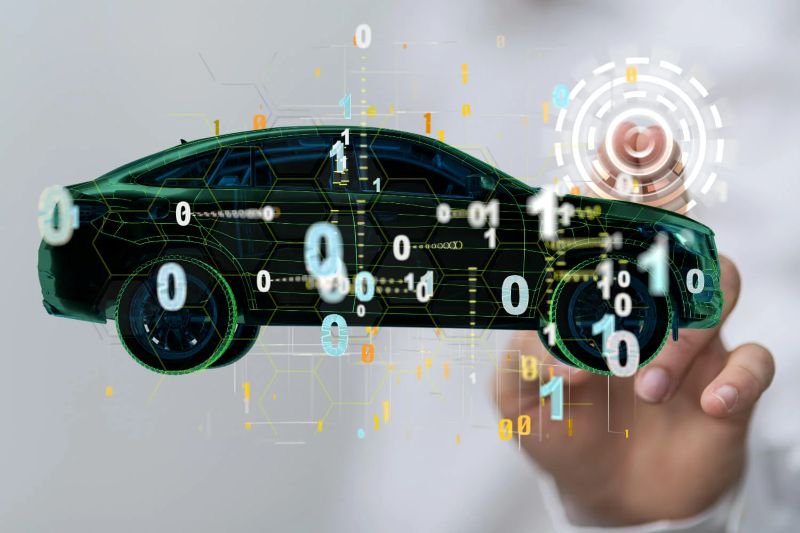
The next automotive revolution won’t happen in factories.
It will happen in software updates.
FAQ: Understanding the Car OS Revolution
Q1: What exactly is a car operating system? A car operating system is the central software layer that manages all vehicle functions – from infotainment and climate control to AI-assisted driving. Think of it like iOS or Android for your car: it orchestrates sensors, user interfaces, navigation, and autonomous features, creating a seamless, intelligent driving experience.
Q2: Who currently leads in the Car OS race? As of 2026, Google’s Android Automotive OS has the widest adoption across multiple automakers, Tesla dominates with its proprietary ecosystem in its EVs, and Apple is preparing a full-dash CarPlay rollout on luxury vehicles. Each player brings a different philosophy: Google emphasizes openness, Tesla vertical integration, and Apple premium user experience.
Q3: Why does the Car OS matter to drivers? The operating system shapes how your car feels, performs, and evolves over time. Modern software updates now directly influence safety features, infotainment usability, driver assistance capabilities, and even energy efficiency in EVs – often more than hardware alone.
Q4: How do car operating systems affect safety and liability? Advanced OS platforms integrate predictive AI, lane-keeping, adaptive cruise control, and collision avoidance. However, liability rules for semi-autonomous and fully autonomous systems vary by state. Understanding your vehicle’s autonomy level and insurance coverage is essential for safe and legal operation.
Q5: How can drivers stay informed about OS updates and innovations? Regularly check manufacturer announcements, app-based notifications, and trusted automotive news sources. For in-depth coverage of Car OS updates, AI integration, EV connectivity, and smart mobility trends, explore the Car Tech section at TwoSpotlight.com – your source for expert analysis and real-world insights.
Leave a Reply